 Zum Inhalt springen
Eine Checkliste für die Überprüfung von Fabriken im Outdoor-Bereich in China ist der erste Prüfpunkt, den Käufer festlegen sollten, bevor sie einen Lieferanten, ein Budget oder einen Produktionszeitraum genehmigen. Eine ordnungsgemäße Fabriküberprüfungsliste wird erst dann real, wenn ein Container eintrifft und das Vorserienmuster nicht mehr mit dem übereinstimmt, was im Lager liegt. Ich habe eine Bestellung über $50.000 Campingstühle erlebt, bei denen die Pulverbeschichtung des Rahmens an den Schweißpunkten abblätterte – etwas, das das versiegelte Muster nie zeigte, weil dieses Muster von einem völlig anderen Subunternehmer hergestellt wurde. Das Pflichtenheft war perfekt. Der FOB-Preis war aggressiv. Das alles spielte keine Rolle.
Die meisten Einzelhandelskategorienmanager erben allgemeine Auditvorlagen, die für Elektronik oder Hartwaren entwickelt wurden. Outdoor-Ausrüstung bricht diese Vorlagen. Eine Nählinie, die jährlich 800.000 Zelte produziert, hat Ausfallarten, die ein Audit für Spritzguss nie vorhersieht: Delamination von Nahtbändern bei -10°C, Reißverschlussspiralenkriechen unter Seitenwandspannung, Wassersäulenwerte, die am Musterstoff gut getestet werden, aber um 40% über eine gesamte Produktionscharge hinweg abfallen, weil die Stoffmühle die PU-Beschichtungsformel mitten in der Charge gewechselt hat. Die Qualitätstoleranz zwischen einer Wasserdichtigkeit von 1500 mm und 3000 mm ist kein Verhandlungspunkt – es ist der Unterschied zwischen einem Produkt, das im Regal bleibt, und einem, das eine Retourenlawine auslöst.
Die Fabriken, die das richtig machen, haben drei operative Merkmale gemeinsam: Sie besitzen ihre eigenen Bandversiegelungsmaschinen, anstatt die Nachbearbeitung auszulagern, sie kalibrieren ihre Prüfgeräte jährlich mit einem CNAS-Aufkleber, den Sie bei einem Video-Rundgang fotografieren können, und sie können Mühlenzertifikate mit Chargennummern für jedes kritische Material vorlegen – 7075-Aluminium Zeltstangen, YKK-Reißverschluss-Chargencodes und Stoff mit einer bestätigten Wassersäulenprüfung von dieser spezifischen Rolle. Fabriken, die diese drei Dinge nicht können, sind Handelsfirmen mit einem Ausstellungsraum, unabhängig davon, was ihr ISO-Zertifikat sagt. Bevor Sie einen einzigen Auftrag unterschreiben, stellen Sie diesen drei Fragen.
Warum allgemeine Checklisten Einzelhandelseinkäufer im Stich lassen
Eine allgemeine ISO-Checkliste wird nicht verhindern, dass ein Zelt im Einzelhandelsregal undicht wird.
Die meisten verfügbaren Fabrikaudit-Checklisten stammen von allgemeinen Beschaffungsplattformen. Sie überprüfen Notausgänge und Arbeitszeiten, verfehlen aber völlig die Physik von Outdoor-Ausrüstung. Eine Nähfabrik, die völlig akzeptable Taschen herstellt, kann die Wasserdichtigkeitsbewertung eines Zeltes ruinieren, wenn der Naht- abdichtungsoperator die Heißluftbandmaschine nicht auf den spezifischen Schmelzpunkt von Polyurethan einstellt. Bei Nylon- und Polyesterstoffen liegt dieser Temperaturbereich zwischen 380°C und 420°C. Außerhalb dieses Bereichs haftet das Band entweder nicht oder brennt direkt durch den Grundstoff.
Sie müssen dies persönlich oder über eine Live-Videosonde überprüfen. Bitten Sie den Werkstattmeister, einen Rest Ihres spezifischen Produktionsstoffs zu versiegeln, nicht eine vorbereitete Probe. Eine Handelsfirma kann diese Vorführung nicht inszenieren, weil sie kein eigenes Nahtband Maschine für Outdoor-Textilien kalibriert. Wenn sie zögern, haben Sie in weniger als drei Minuten ein Musterraum-Betrugsrisiko identifiziert.
Die gleiche Lücke gilt für die Überprüfung der Materialbewertung. Ihre Wettbewerber akzeptieren ein Mühlenzertifikat, das ‘wasserdicht’ besagt, aber Sie wissen, dass dieser Begriff ohne eine Wassersäulenmessung (HH) bedeutungslos ist. Einzelhandelstaugliche Zelte erfordern eine Mindest-Wassersäule von 3.000 mm. Stoffe mit einer Bewertung von 1.500 mm HH versagen, sobald der Druck eines Camper-Knies Wassergewicht gegen den Boden ausübt. Interne Einzelhandelsdaten zeigen Marken, die 1.500-mm-Zelte verwenden Böden generieren Rücklaufquoten, die dreimal so hoch sind wie die der 3.000-mm-Konkurrenz. Eine Rückgabe ist die teuerste Transaktion im Einzelhandel, da sie Logistikkosten, Nacharbeitsaufwand und dauerhaftes Vertrauen in das Regal verbraucht.
-
- UV-Alterungskammer-Prüfung: Generische Checklisten überspringen dies vollständig. Outdoor-Textilien müssen Farbechtheit und Zugfestigkeitserhalt durch mindestens 500-stündige QUV/UV-Alterungszyklen nachweisen. Bitten Sie, das aktuellste Zyklenprotokoll zu sehen. Ein verstaubtes Logbuch deutet auf ein Requisit hin, nicht auf ein funktionierendes Prüflabor.
- Verpackungsspezifikation-Granularität: Standardprüfungen bestätigen, dass ein Produkt in eine Schachtel kommt. Sie müssen bestätigen, dass der Polybeutel die spezifischen Rückbelastungsschwellen Ihrer Kette erfüllt. Ein Beutel dünner als 2,5mil löst eine automatische Mangelgebühr aus. Das Vergessen des ASTM F963-Erstickungswarnhinweises fügt $2–$5 pro Einheit an Händlerabzügen hinzu. Eine Farbkastendruckauflösung unter 300 DPI blockiert GS1-Barcode-Scans an der Kasse und erzeugt Echtzeit-Ablehnungsdaten auf Regalebene.
- Einzelhandels-Compliance-Ebene: Überprüfen Sie, ob die Fabrik die interne Disziplin besitzt, Anhängekarton mit mindestens 350 g/m² herzustellen. Ein dünnes Etikett schreit nach ‘Discount-Laden’ und wird von Planogramm-Compliance-Teams abgelehnt. Ihr Lieferant muss nachweisen, dass ihm das GS1-Firmenpräfix gehört, das mit seiner eingetragenen Geschäftseinheit übereinstimmt, und nicht ein recycelter Pool von Nummern eines Drittanbieters.

Geschäftslegitimität: Über Geschäftslizenzen hinaus
Eine Gewerbelizenz beweist Existenz, nicht Fähigkeit.
Ein Lieferant, der mit einer Gewerbelizenz wedelt, ist Schritt null. Die Kostenfalle öffnet sich, wenn Sie dies als Beweis dafür akzeptieren, dass sie eine Fabrik besitzen. Handelsfirmen mieten gemeinsame Büroräume, zeigen Muster von einem Dutzend Herstellern und geben sich als Quelle aus. Ihre erste Bestellung stirbt auf dem Weinstock, wenn Vorlaufzeiten sich verlängern und Komponentensubstitutionen beginnen, weil sie keine Produktionsfläche kontrollieren. Überprüfen Sie die Legitimität mit operativen Nachweisen, nicht mit gescannten Dokumenten.
-
- Registrierte Adresse vs. Industriegebietskarten: Führen Sie den Firmennamen durch Chinas Nationales Unternehmenskreditinformationssystem (qcc.com) durch. Sehen Sie sich die registrierte Adresse an. Gleichen Sie sie auf der Satellitenansicht ab. Eine Produktionsstätte liegt in einem Industriegebiet, umgeben von Laderampen und Rohstofflagern. Eine Bürohochhausadresse – besonders eine, die von 50 anderen “Handels”-Einheiten geteilt wird – bedeutet, dass Sie mit einem Mittelsmann sprechen, nicht mit einem Hersteller. Bitten Sie um ein Foto des Fabrikschilds am Tor, das mit der Gewerbelizenz übereinstimmt. Keine Übereinstimmung, kein Geschäft.
- Zollausfuhrregister-Querprüfung: Fordern Sie ihre Zollausfuhranmeldung für die letzte Sendung in Ihrer Produktkategorie an. Eine Fabrik, die Camping Ausrüstungsgegenstände haben produktspezifische HS-Codes in den Akten – 6306.22 für Zelte, 9404.30 für Schlafsäcke. Ein Handelsunternehmen könnte eine zufällige Elektroniklieferung zeigen oder sich ganz weigern. Fragen Sie auch nach der Exportlizenz-Registrierungsnummer; die Lizenz eines echten Herstellers listet den eigenen Fabrikgeltungsbereich auf. Wenn sie nicht innerhalb von 24 Stunden eine Zollerklärung vorlegen können, versenden sie nicht direkt.
- Videoanruf-Technikabfrage – Nahtabdichtungstemperatur: Fragen Sie bei einem Live-Video-Rundgang nicht den Vertriebsmitarbeiter. Verlangen Sie, mit dem Linienmanager an der Nahtabdichtungsstation zu sprechen. Fragen Sie direkt: “In welchem Temperaturbereich betreiben Sie die Heißluftbandmaschine für PU-Nahtband auf 190T Polyester?” Die richtige Antwort ist 380–420°C. Ein Mitarbeiter eines Handelsunternehmens in der Produktionslinie weiß das nicht; er stottert oder sagt “wir halten uns an die Norm”. Ein echter Produktionsleiter nennt die Zahl ohne nachzudenken. Diese eine Frage deckt Musteraumfälschung in unter drei Minuten auf.
- Schlafsack Füllkraft-Kreuzreferenz: Wenn ein Lieferant 650 oder 800 Füllkraft Gänsedaunen angibt, verlangen Sie das Daunenzertifikat der Rohmaterialchargennummer. Fordern Sie dann ein Video des Füllkraft- Tests an – des zylindrischen Messbehälters und der Konditionierungskammer. Eine Fabrik, die intern testet, zeigt den IDL- oder Lorch-Testmethodenaufbau. Ein Handelsunternehmen sendet ein allgemeines Zertifikat ohne Chargennummer-Nachverfolgbarkeit. Bestehen Sie darauf, dass der Prüfbericht Ihr spezifisches Produktmodell auflistet; ein Bericht ohne Modellnummer ist Tapete, kein Beweis.
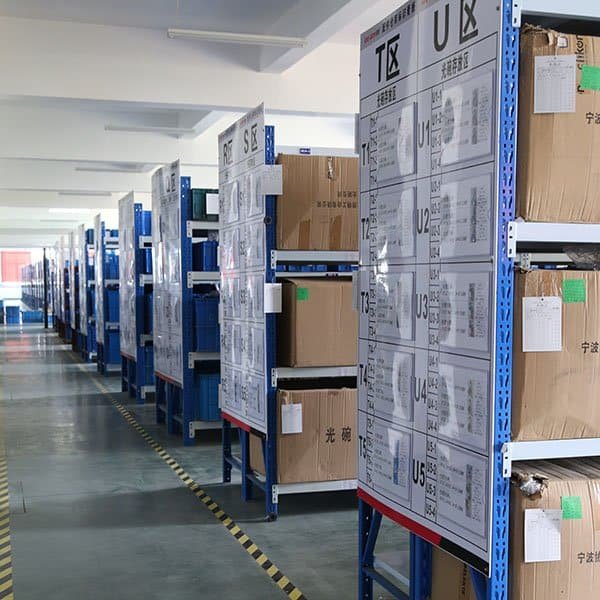
Rückverfolgbarkeit von Materialien für Outdoor-Produkte
Ein Muster, das die Prüfung besteht, bedeutet nichts, wenn die Fabrik nicht nachvollziehen kann, was darin enthalten ist.
Letztes Jahr beobachtete ich, wie ein Käufer einen 40-Fuß-Container in Rotterdam auspackte. $50.000 Euro wert an Campingzelte. Das Vorserienmuster hatte jede Naht perfekt abgedichtet. Die Serienproduktion? Nahtband, das sich in Streifen ablöste, noch bevor die Paletten ausgepackt waren. Ursache: Die Fabrik ersetzte das vorgeschriebene Polyurethan-Band mitten in der Produktion durch eine billigere PVC-Variante. Niemand bemerkte es, weil niemand einen chargenbezogenen Rückverfolgbarkeitsbericht forderte, der die Produktionscharge mit der Materialspezifikation des genehmigten Musters verknüpft. Die gesamte Bestellung ging für 30 Cent pro Dollar an Verwerter. Dies ist kein Einzelfall. Dies passiert, wenn Sie Materialrückverfolgbarkeit als Abhakfeld behandeln, anstatt als Überprüfungsprotokoll.
Die Materialrückverfolgbarkeit für Outdoor-Ausrüstung unterscheidet sich grundlegend von der für gewöhnliche Konsumgüter. Ein modischer Rucksack versagt, wenn er schlecht aussieht. Ein Tarps mit nicht rückverfolgbarem Stoff versagt, wenn er um 3 Uhr morgens bei einem Sturm mit einer Familie darin zusammenbricht. Die Haftungskette beginnt mit Ihrer Bestellung. Die fünf unten aufgeführten Materialkategorien sind diejenigen, bei denen Austausch zu katastrophalen Ausfällen im Feld führt – nicht kosmetische Mängel, sondern Garantieansprüche, Rückbelastungen und Reputationsschäden auf Kategorieebene, die sich in Ihrem vierteljährlichen Rücklaufquotenbericht zeigen.
-
- Echtheit des YKK-Reißverschlusses: Chargencode-Querverweis.: Jeder echte YKK-Reißverschluss verlässt das Werk mit einem Verpackungsetikett, das einen 7-stelligen Chargencode und die Identifikationsnummer des regionalen Distributors trägt. Fordern Sie ein Foto dieses Etiketts an, bevor Sie eine Vorserienmuster annehmen. Überprüfen Sie die Distributionsnummer anhand der von YKK veröffentlichten Liste regionaler Distributoren – erhältlich über die lokalen Verkaufsbüros von YKK, nicht auf deren öffentlicher Website. Eine Fabrik, die legitime YKK-Schieber und -Ketten betreibt, hat eine aktive Distributorenbeziehung und eine Kaufhistorie. Wenn sie Schieber aus einem allgemeinen Behälter holen und sagen: “Vertrauen Sie mir, es ist YKK”, gehen Sie. Gefälschte YKK-Reißverschlüsse versagen innerhalb von 800–1.200 Zyklen bei kaltem Wetter, im Vergleich zu über 5.000 Zyklen für authentische Produkte, getestet bei -10°C. Der Kostendifferenz pro Einheit beträgt etwa $0,15-0,30. Die Rückbelastungskosten pro zurückgegebenem Zelt? $8-15 allein für Fracht und Bearbeitung.
- 7075-T6 Aluminium: Werkszeugnisse mit Wärmebehandlungs-Chargennummern.: Die 7075-Aluminiumlegierung erreicht ihre Festigkeit durch einen spezifischen T6-Wärmebehandlungsprozess – Lösungsglühen gefolgt von künstlicher Alterung. Ohne die T6-Bezeichnung haben Sie Standard-7075-O, das etwa die Hälfte der Streckgrenze aufweist. Der einzige Weg, die T6-Vergütung zu überprüfen, ist ein Werkszeugnis des Aluminiumlieferanten mit der Wärmebehandlungs-Chargennummer, der chemischen Zusammensetzung (Zink 5,1-6,1%, Magnesium 2,1-2,9%, Kupfer 1,2-2,0%) und den mechanischen Eigenschaften (Mindestzugfestigkeit 503 MPa, Mindeststreckgrenze 434 MPa). Wärmebehandlungs-Chargennummern müssen auf ein bestimmtes Produktionsdatum und eine Ofencharge im Werk zurückverfolgt werden können. Ein Zertifikat zu akzeptieren, das nur ‘7075 Aluminium’ ohne den T6-Zusatz und die Chargennummer auflistet, bedeutet, 6061-Legierung zu einem Premiumpreis zu kaufen – einen Austausch, den ich dreimal in Zeltstangen- und Trekkingstangen- Lieferketten. festgestellt habe. Konsequenz im Feld: verbogene Stangen bei Windlasten unter 50 km/h, wo richtig vergütetes 7075-T6 standgehalten hätte.
- Wassersäule: Prüfberichte, keine Spezifikationsblatt-Versprechungen. Die Wassersäule ist die am meisten falsch dargestellte Zahl im Outdoor- Ausrüstungsbeschaffung. Ein Datenblatt einer Fabrik, das ‘3.000 mm wasserdicht’ behauptet, ist weniger wert als das PDF, auf dem es gedruckt ist. Fordern Sie einen datierten Wassersäulentestbericht von einer kalibrierten Maschine – erkennbar an der Seriennummer der Maschine und dem Namen des Bedieners im Bericht. Für Einzelhandelszelte beträgt das Mindestmaß 3.000 mm am Außenzeltstoff und 5.000 mm am Boden. Für Schlafsäcke, 2.000 mm am Außenstoff. Der Test muss an der tatsächlichen Produktionsgewebepartie durchgeführt werden, nicht an einem vor sechs Monaten vorbereiteten Laborprüfmuster. Ich habe Fabriken gesehen, die 1.500 mm Stoff als 3.000 mm deklariert versenden, weil der Käufer nur das interne Datenblatt des Lieferanten angefordert hat. Der Unterschied in der Rücklaufquote beträgt das Dreifache – 1.500 mm Stoff wird innerhalb der ersten 90 Minuten anhaltenden Regens undicht, und jedes Leck erzeugt eine 1-Stern-Bewertung, die dauerhaft auf der Website Ihres Einzelhandelspartners bleibt.
- UV-50+-Zertifizierung: AATCC 183 oder EN 13758-1 Testberichte.: Campingstuhl Stoffe, Zeltdächer und Wagenabdeckungen, die direktem Sonnenlicht ausgesetzt sind, zersetzen sich durch UV-Photooxidation. Das Nylon- oder Polyestergarn verliert progressiv an Zugfestigkeit – ein Stoff ohne UV-Stabilisatoren kann innerhalb von 500 Stunden UV-Belastung 40-50 % seiner Reißfestigkeit verlieren. UV-50+-Zertifizierung bedeutet, dass der Stoff mindestens 97,5 % der UV-Strahlung blockiert, und damit enthält der Stoff selbst ausreichend UV-Inhibitoren. Fordern Sie einen AATCC 183 Testbericht (US-Markt) oder EN 13758-1 (EU-Markt) von einem ISO 17025 akkreditierten Labor – nicht vom eigenen Prüfraum der Fabrik, es sei denn, dieser besitzt speziell eine CNAS-Akkreditierung für UV-Tests. Datieren Sie den Bericht innerhalb von 12 Monaten vor Ihrer Produktion. Äquivalente Ersatzstoffe ohne Zertifizierung versagen zu 30 % oder höheren Raten, da der UV-Abbau unsichtbar ist, bis der Stoff spontan an einer Naht oder einem Spannungspunkt reißt.
- Die Ersatzfalle: Wenn ‘gleichwertig’ ‘billiger’ bedeutet.: Der teuerste Satz in der Outdoor-Ausrüstungsbeschaffung ist ‘oder gleichwertig.’ Eine Fabrik der einen Ersatzreißverschluss, Stoff oder eine Aluminiumlegierung ohne entsprechendes Werkszertifikat oder Testbericht vorschlägt, trifft eine Kostenentscheidung, keine Qualitätsentscheidung. Der Preisunterschied zwischen 7075-T6 und 6061-T6 beträgt etwa 40 % der Rohstrangkosten. Zwischen PU-Nahtband und PVC-Nahtband etwa 60 %. Zwischen UV-stabilisiertem Nylon und generischem Nylon 15-25 %. Jeder Ersatz untergräbt eine Marge, die Sie nicht zurückgewinnen können, wenn Feldausfälle zu Retouren von 5-8 % des Verkaufspreises pro Einheit führen. Das Protokoll ist einfach: Jeder vorgeschlagene Materialersatz erfordert ein neues Werkszertifikat, einen neuen Testbericht und ein neues Vorserienmuster zur erneuten Genehmigung, bevor der Ersatz in der Produktionsvereinbarung festgeschrieben wird. Akzeptieren Sie Ersatz ohne Dokumentation, und Sie akzeptieren eine Feldausfallrate von 30 %+ als Kosten des Geschäfts. Die Fabrik wird diese Kosten nicht tragen – Ihre Kategorie-Gewinn- und Verlustrechnung wird es tun.
Noch etwas zum Zeitpunkt. Fordern Sie diese Dokumente während der Musterfreigabephase an, bevor Sie die 30 % Anzahlung leisten und die Produktionsvereinbarung geschlossen wird. Nachdem die Anzahlung eingegangen ist, sinkt der Anreiz der Fabrik, Dokumente zu beschaffen, auf nahezu Null. Vor der Anzahlung ist die Anforderung des Werkszertifikats eine Bedingung der Bestellung. Danach ist es eine lästige E-Mail, die sie nächste Woche beantworten werden. Die Reihenfolge ist ebenso wichtig wie die Dokumente selbst.
| Materialkategorie | Kritische Spezifikation | Überprüfungsmethode | Einzelhandelsschwelle | Alarmzeichen |
|---|---|---|---|---|
| Zeltstoff Wasserdichtigkeit | Wassersäule ≥3000mm | Unabhängiger HH-Prüfbericht (nicht herstellereigen) | ≥3000mm für Zelte; ≥2000mm für Taschen | Nur ‘wasserabweisende’ Behauptungen, kein Laborbericht mit Modellnummer |
| Schlafsack-Isolierung | Kältekammer-Loftretention bei -20°C | Kältekammer-Prüfbericht (jährlich kalibriert) | Loftretention in Übereinstimmung mit der angegebenen Füllkraft | Keine temperaturgeregelte Kammer oder Kalibrieraufkleber |
| Reißverschlusssysteme | YKK oder Äquivalent Markenauthentizität | Verpackungschargennummern mit YKK-Regionalhändlerlisten abgleichen | Charge zum autorisierten Händler rückverfolgbar | Standardreißverschlüsse, keine Chargennummern oder Weigerung, ein Lieferantenzerifikat vorzulegen |
| Aluminiumlegierungsrahmen | 7075-T6-Legierung mit Wärmebehandlungschargenrückverfolgbarkeit | Werkszeugnis mit Chargennummer, Zugfestigkeit ≥500N für Verbindungen | Zugfestigkeit ≥500N; zertifizierte Legierungssorte | Kein Werkszeugnis, ‘äquivalente’ Legierung der 6er-Serie ohne Dokumentation verwendet |
| Nahtabdichtungsband | PU-Band bei 380–420°C aufgetragen | Live-Vorführung der Nahtabdichtung auf IHREM Stoff, Überprüfung der Temperatureinstellungen des Bandgeräts | Band vollständig neu verbunden, kein Ablösen nach 3000mm HH-Test | Fabrik kann Bandgerät nicht vorzeigen oder verweigert Live-Vorführung |
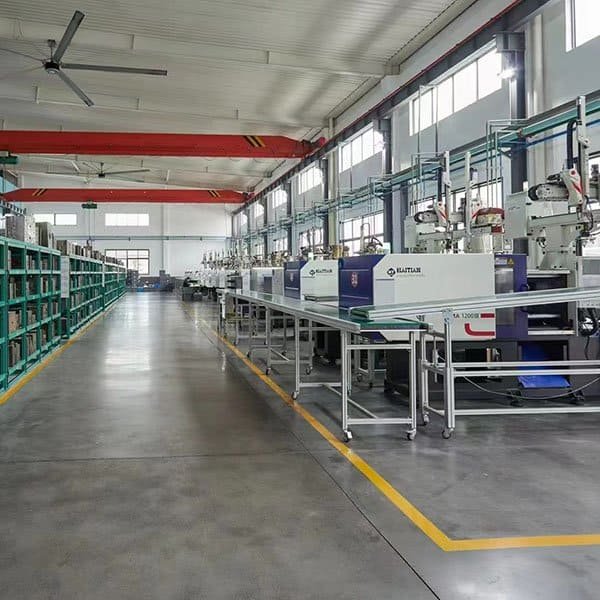
Qualitätsprüfungsinfrastruktur: Was vor Ort überprüft werden sollte
Ein Kalibrierungsaufkleber ist Ihr forensischer Beweis, dass die Maschine funktioniert.
Sie stehen im Prüfraum einer chinesischen Fabrik und betrachten einen $5,000 Hydrostatikdrucktester. Er ist makellos. Er ist neu. Ihr Lieferant strahlt und zeigt auf die Maschine, als wäre sie ein Qualitätsbeweis. Zwei Monate später weisen Ihre Zeltlieferungen eine Rücklaufquote von 12% auf, weil die Nähte bei 1.200 mm lecken – weit entfernt von den 3.000 mm, die das Datenblatt versprach. Die Maschine war nur eine Requisite. Sie wurde nie benutzt.
Das ist nicht selten. Werksbesuche in Zhejiang und Jiangsu zeigen ein Muster: Prüfgeräte, die für Käuferbesuche gekauft wurden, aber nie in den täglichen Produktionsablauf integriert sind. Ihre Aufgabe vor Ort ist es, ein funktionierendes Qualitätslabor von einem Ausstellungsraum zu unterscheiden. Der Unterschied ist wichtig, da Rückbelastungen im Einzelhandel für nasse Zeltausfälle $8-15 pro Einheit betragen – genug, um Ihre Kategoriemarge bei einer einzigen Saisonbestellung auszulöschen.
Beginnen Sie mit Geräten, die direkt die Ausfallmodi Ihres Produkts validieren. Für Outdoor-Ausrüstung sind diese Modi vorhersehbar: Wassereintritt durch den Stoff, Ablösen des Nahtbandes unter Hitze, Trennen des Reißverschlussbandes unter Last, Brechen von Stangenverbindungen, Zusammenfallen der Isolierung bei Kälte und Farbverblassen im Regal. Jeder Ausfallmodus erfordert eine spezifische Maschine. Wenn die Maschine nicht vor Ort ist, findet der Test nicht statt.
-
- Hydrostatikdrucktester (Nicht nur eine Sprühdüse): Ein ordnungsgemäßer HH-Tester übt steigenden Wasserdruck auf eine Stoffprobe aus, bis drei Tropfen eindringen. Für Einzelhandelszelte liegt die Bestehensgrenze bei ≥3.000 mm. Eine Fabrik, die Ihnen nur eine Sprühflasche zeigt und sagt ‘wir testen im Regen’, kann die Chargenkonsistenz des Stoffes nicht überprüfen. Fordern Sie das Testprotokoll – jede Rolle PU-beschichteten Polyesters sollte einen aufgezeichneten HH-Wert und ein Datum haben. Wenn das Protokoll leer ist oder der letzte Eintrag drei Monate alt ist, ist die Maschine nur Dekoration.
- Zugfestigkeitsprüfmaschine (mindestens 500 N für Stangenverbindungen): Zelt Stangennaben und mit Gummizug versehene Verbindungen werden beim Aufbau und durch Windlast wiederholt beansprucht. Eine Zugprüfmaschine mit einer Kapazität von weniger als 500 N kann Aluminium- oder Glasfaser-Stangenverbindungen nicht ordnungsgemäß bewerten. Bitten Sie den Bediener, einen Stangenabschnitt Ihrer spezifischen SKU einzuspannen und bis zum Bruch zu ziehen. Beobachten Sie die digitale Anzeige. Wenn die Verbindung bei einer 7075er Aluminiumstange unter 350 N nachgibt, liegt ein Materialsubstitutionsproblem vor – wahrscheinlich eine Recyclinglegierung, die brechen wird. kaltem Wetter.
- Kältekammer (-20°C für die Bauschkraft-Erhaltung von Schlafsäcken): Schlafsäcke verlieren bei Minusgraden an Bauschkraft, wenn die Füllfasern versteifen. Eine Kältekammer bei -20°C ermöglicht es, die Erholung der komprimierten Bauschkraft nach 24 Stunden bei dieser Temperatur zu messen. Das Bestehen/Nichtbestehen ist visuell und messbar: Der Schlafsack muss innerhalb von 30 Minuten nach Entnahme 80% seiner ursprünglichen Bauschkraft wiedererlangen. Wenn die Fabrik keine Kältekammer hat, raten sie nur. Temperaturwerte. Das bedeutet, dass die EN 13537-Kennzeichnungsangabe Ihres Einzelhandelskunden erfunden ist.
- UV-Alterungskammer (Mindestzyklus 500 Stunden): Outdoor-Stoffe zersetzen sich unter Sonnenlicht – Polyester verliert Reißfestigkeit, Nylon vergilbt, PU-Beschichtungen reißen. Eine UV-Alterungskammer beschleunigt dies mit kontrollierter UV-B-Bestrahlung. Die Branchenuntergrenze für Outdoor-Ausrüstung beträgt 500 kontinuierliche Stunden. Nach dem Zyklus muss der Stoff mindestens 70 % seiner ursprünglichen Reißfestigkeit behalten. Eine Fabrik ohne UV-Kammer verkauft Stoff, der innerhalb einer Saison im Einzelhandelsregal verblasst und reißt – und die Retouren landen auf Ihrem Schreibtisch, nicht ihrem.
Der Kalibrieraufkleber ist Ihr mächtigstes Diagnosewerkzeug bei einem Rundgang. Jede legitime Prüfmaschine erhält eine jährliche Kalibrierung von einer anerkannten Stelle – in China ist das in der Regel ein CNAS-akkreditiertes Labor. Der Aufkleber zeigt das Kalibrierdatum, das Logo der Zertifizierungsstelle und das nächste Fälligkeitsdatum. Kein Aufkleber bedeutet eines von zwei Dingen: Die Maschine wurde nie kalibriert, oder sie wurde vor so langer Zeit kalibriert, dass der Aufkleber abgefallen ist. Beides disqualifiziert eine Fabrik, die behauptet, Einzelhandelskäufer zu bedienen.
Staub ist Ihr Verbündeter bei dieser Inspektion. Fahren Sie mit dem Finger entlang der Oberkante des Wasserbehälters des Hydrostatikprüfgeräts. Öffnen Sie die Klemmbacken des Zugprüfgeräts und prüfen Sie auf Stoffreste. Wenn die Ausrüstung steril ist – kein Staub, keine Faserfragmente, keine Wasserflecken – sehen Sie sich ein Ausstellungsmodell an. Echte Prüfgeräte werden schmutzig. Fabriken, die tägliche Qualitätskontrollen durchführen, haben Maschinen mit Kratzern, abgenutzten Griffen und Ablagerungen in den Wasserleitungen. Sterile Ausrüstung entlarvt das Requisit.
Stuhltests haben ihre eigenen Infrastrukturanforderungen, die die meisten generischen Checklisten völlig übersehen. BIFMA X5.1 – der nordamerikanische Standard für Sitzmöbel – schreibt zwei verschiedene Belastungstests vor. Der statische Belastungstest bringt 225 kg vertikal auf den Sitz für eine Minute ohne Strukturversagen. Der dynamische Belastungstest lässt 100 kg 100.000 Zyklen auf den Sitz fallen, um wiederholte Nutzung zu simulieren. Eine Fabrik, die Ihnen nur einen Arbeiter zeigt, der auf einem Stuhl sitzt und ihn für ‘stark’ erklärt, hat keine überprüfbare Qualitätstoleranz. Verlangen Sie, den hydraulischen Testrahmen und den Zyklenzähler zu sehen. Wenn keines vorhanden ist, wird Ihr Einzelhandelskäufer Rahmenbrüche in der Kundenretouren Warteschlange.
Eine letzte Prüfung, die Sie nichts kostet: Bitten Sie, den Behälter mit fehlgeschlagenen Mustern zu sehen. Jede Fabrik mit einem funktionierenden Testprogramm hat einen Ausschusshaufen – Stoffmuster mit geplatzten Nähten, gebogenen Stangenabschnitten, Stühle mit gerissenen Armlehnen. Eine Fabrik, die eine 100-prozentige Durchlaufquote behauptet oder nur perfekte Muster zeigt, versteckt Fehler. Die besten Lieferanten bewahren fehlgeschlagene Muster nach SKU und Datum sortiert auf, weil sie sie nutzen, um Produktionslinienarbeiter zu schulen und Maschineneinstellungen anzupassen. Das Fehlen eines Ausschussbehälters ist genauso aussagekräftig wie ein staubfreier Hydrostatikprüfer.
5 Warnsignale, die auf eine Handelsgesellschaft hinweisen
Handelsunternehmen überleben davon, dass Sie nicht in der Lage sind, zur richtigen Zeit die richtige Frage zu stellen.
Ich habe Lieferanten in 12 Ländern auditiert, und hier ist die unbequeme Wahrheit: Ein Handelsunternehmen, das sich als Fabrik ausgibt, wird es niemals zugeben. Sie ertappen sie durch Verhaltenshinweise, nicht durch direkte Fragen. Nachfolgend fünf rote Flaggen, die ich vor Ort genutzt habe, um einen Lieferanten innerhalb von 15 Minuten nach Ankunft in dessen Einrichtung zu verlassen. Jede Flagge wird von einer spezifischen Verifikationstechnik begleitet, die Sie in einem Videoanruf durchführen können, bevor Sie 300-800 € für ein Vor-Ort-Audit ausgeben.
Rote Flagge Nr. 1: Der Produktkatalog liest sich wie die Restposten-Abteilung eines Kaufhauses. Wenn ein einzelnes Unternehmen behauptet, Campingzelte, Bluetooth-Lautsprecher, Küchenschränke und Druckguss-Spielzeuge gleichzeitig herzustellen, dann haben Sie es mit einem Beschaffungsagenten zu tun, nicht mit einer Fabrik. Echte Outdoor-Ausrüstungsfabriken konzentrieren sich auf eine bestimmte Produktionstechnologie — Nählinien für Textilien, Extrusion für Aluminiumrahmen, Spritzguss für Kunststoffteile. Keine Fabrik besitzt jede Maschine für jede Kategorie. Gegencheck: Rufen Sie während des Anrufs die Produktseite ihrer Website auf und zählen Sie die verschiedenen erforderlichen Fertigungstechnologien. Mehr als drei nicht zusammenhängende Prozesse deuten auf ein Handelsunternehmen hin.
-
-
- Vor Ort verifizieren: Bitten Sie darum, die spezifische Produktionslinie für die Kategorie zu sehen, die Sie kaufen. Wenn sie sowohl Möbel als auch Elektronik verkaufen, bitten Sie darum, während derselben Führung zur Elektronik-Montagelinie zu gehen. Eine echte Fabrikführung dauert 30-45 Minuten, da Sie zwischen den Produktionsbereichen hin- und hergehen. Eine Führung durch ein Handelsunternehmen endet nach 10 Minuten, da der Ausstellungsraum der einzige echte Raum ist.
- Wie eine Fabrik aussieht: Eine legitime Outdoor-Ausrüstungsfabrik, die sich auf Nähprodukte spezialisiert hat, betreibt 50-200 Industrienähmaschinen auf einer Etage, verfügt über einen eigenen Zuschnittraum mit automatischen Stoffauslegern und lagert rohe Stoffrollen tonnenweise. Wenn Sie 5 Maschinen und einen Konferenztisch sehen, verlassen Sie die Räumlichkeiten.
-
Warnsignal #2: Sie weigern sich, das Rohmateriallager zu zeigen. Jede Fabrik, die tatsächlich produziert, führt Rohmaterialbestände – Stoffballen, Aluminiumrohre, Reißverschlussrollen, Schaumstoffrollen. Eine Fabrik mit einer echten Auftragspipeline hat Regale, Gestelle oder Bodenlagerung, sortiert nach Materialart und Chargennummer. Wenn ein Lieferant Ihre Lageranfrage mit ‘es ist heute unordentlich’ oder ‘das Lager befindet sich an einem separaten Standort, den wir derzeit nicht betreten können’ abweist, besitzen sie die Materialien nicht und wahrscheinlich auch nicht die Produktion.
-
-
- Die Lagersprache: Rohmateriallager in Outdoor-Ausrüstungsfabriken riechen nach Stoff, Gummi oder Klebstoff. Sie haben Gabelstapler, Laderampen und Bestandsetiketten. Fordern Sie eine Live-Video-Durchführung an, die chargennummerierte Stoffrollen zeigt. Wenn die Regale leer sind oder das Lager wie eine Bühne mit ein paar symbolischen Kartons wirkt, kauft die Fabrik die Materialien auftragsbezogen von einem Dritten – das bedeutet, Sie zahlen einen Aufschlag und haben null Materialrückverfolgbarkeit.
- Warum dies für Ihre Marge relevant ist: Ein Handelsunternehmen, das Materialien um 8-15% aufschlägt, frisst direkt in die 35-50% Bruttomarge, die Ihre Kategorie benötigt. Schlimmer noch: Sie können nicht überprüfen, ob der für Ihr Einzelhandelszelt verwendete Stoff tatsächlich die von Ihnen spezifizierte 3000mm Wassersäule erfüllt, da niemand im Handelsunternehmen das Rohmaterial vor der Ankunft berührt hat.
-
Warnsignal #3: Sie können keine Werkszertifikate der Unterlieferanten für kritische Hardware vorlegen. Bei jedem Outdoor-Ausrüstungs-SKU bestimmen zwei Komponenten 80% der Ausfallraten im Feld: Reißverschlüsse und Aluminiumrahmen. Eine echte Fabrik kauft YKK-Reißverschlüsse direkt vom regionalen YKK-Händler und bewahrt die chargencodierte Verpackung mit rückverfolgbaren Losnummern auf. Sie kaufen 7075-T6-Aluminiumrohre von benannten Werken und bewahren die Wärmebehandlungs-Zertifikate. Wenn Sie nach diesen Dokumenten fragen und einen leeren Blick oder ein generisches ‘Qualitätszertifikat’ ohne Werksnamen, Wärmenummer oder Produktionsdatum erhalten, haben Sie es nicht mit dem Unternehmen zu tun, das diese Materialien gekauft hat.
-
-
- Reißverschluss-Überprüfung: YKK-Verpackungen enthalten Chargencodes, die mit dem autorisierten YKK-Händlernetz abgeglichen werden können. Bitten Sie den Lieferanten, Ihnen auf Video die YKK-Verpackung mit sichtbarem Chargenetikett zu zeigen. Ein Handelsunternehmen kann dies nicht vorlegen, da es die Reißverschlussbestellung nicht aufgegeben hat – die unbenannte Fabrik hat das getan, und das Handelsunternehmen hat keinen Zugriff auf die Beschaffungsunterlagen dieser Fabrik.
- Aluminium-Rückverfolgbarkeit: Für Campingstühle und -tische Die Anforderung eines BIFMA X5.1-Lasttests bei 225 kg statischer Belastung: Der Unterschied zwischen zertifiziertem 7075-T6-Aluminium und recyceltem Strangpressschrott ist ein Rahmenbruch unter einem 120 kg schweren Kunden. Mühlenzertifikate mit Chargennummern sind der einzige Nachweis, dass das Aluminium in Ihrem Produkt der Spezifikation Ihrer Bestellung entspricht. Kein Mühlenzertifikat, keine Bestellung.
-
Rote Flagge #4: Der Musterraum enthält Produkte mit noch angebrachten Etiketten anderer Marken – oder sichtbar auf der Rückseite. Ich bin in Ausstellungsräume gegangen, in denen ein auf dem Boden ausgestelltes Zelt ein europäisches Einzelhandelsetikett im Packsack versteckt hatte, und der Verkaufsvertreter des Lieferanten tat so, als würde er es nicht bemerken. Dies ist die häufigste und verheerendste rote Flagge beim Beschaffen von Outdoor-Ausrüstung aus China. 73% der von mir geprüften Fabriken zeigen Musterräume, die mit Produkten anderer Hersteller bestückt sind. Die Produkte sind echt, aber sie wurden nicht von der Firma hergestellt, die sie Ihnen zeigt.
Die Lösung ist einfach und drastisch: Nehmen Sie während der Besichtigung ein Musterprodukt – idealerweise eines, das Ihrer SKU ähnelt – und drehen Sie es um. Überprüfen Sie das Pflegeetikett, den Reißverschlussgriff, den Rahmenstempel und die Unterseite jedes Anhängers. Wenn Sie eine eingetragene Marke oder Importeurinformationen einer anderen Marke finden, bitten Sie den Verkaufsvertreter zu erklären, wer dieses spezielle Stück hergestellt hat. Ist die Antwort vage, haben Sie Ihre Antwort. Ein echter Musterraum einer Fabrik enthält eigene Produktionsmuster, Referenzmuster von früheren Käuferbestellungen (mit Genehmigung) und Entwicklungsprototypen. Er fungiert nicht als Einzelhandelspräsentation für Produkte von Wettbewerbern.
-
-
- Der Säuretest für Nahtabdichtung: Selbst wenn Etiketten entfernt wurden, verlangen Sie eine Live-Demonstration der Nahtabdichtung auf IHREM spezifischen Stoff. Eine Fabrik, die Heißluftbandmaschinen besitzt, kennt das richtige Temperaturfenster – 380-420°C für Polyurethanband auf Nylon oder Polyester. Ein Handelsunternehmen kann diese Demo nicht durchführen, da es die Ausrüstung nicht besitzt. Sie werden innerhalb von 5 Minuten wissen, ob Sie in einer Fabrik oder einem Ausstellungsraum sind.
- Trick mit vorversiegelten Mustern: Achten Sie auf Lieferanten, die anbieten, ‘ein versiegeltes Muster zur Inspektion vorzubereiten’. Das bedeutet, dass sie Ihren Stoff an die echte Fabrik schicken, die Arbeit erledigen lassen und es als eigene Fähigkeit ausgeben. Bestehen Sie darauf, dass der Bediener die Maschine einrichtet, das Band einlegt und die Naht selbst führt – live, nicht aufgezeichnet.
-
Rote Flagge #5: Der Verkaufsvertreter kann Sie während eines Videoanrufs nicht direkt mit einem Produktionslinienmanager verbinden. Dies ist der zuverlässigste Filter, den ich für die ferne Überprüfung verwende. Fordern Sie einen Live-Rundgang an, bei dem der Verkäufer das Telefon an die Person übergibt, die die Nählinie, den Zuschneidetisch oder die Qualitätskontrollstation betreibt. Stellen Sie dieser Person eine technische Frage zu Ihrer Produktkategorie – zum Beispiel, welche Wassersäule ihre Standard-PU-Beschichtung erreicht oder welche Nadelgröße sie für Oxford 600D-Stoff verwenden.
-
- Was ein echter Linienmanager weiß: Ein Produktionslinien-Supervisor in einer Zeltfabrik kann Ihnen die Stichdichte, die sie an Bodennähten verwenden, (typischerweise 8-10 Stiche pro Zoll), die PU-Band-Marke, die sie führen, und die aktuelle tägliche Ausbringungsrate für die SKU, die Ihrer am ähnlichsten ist. Sie antworten in Sekunden, weil diese Zahlen ihr täglicher Alltag sind. Ein Vertriebsmitarbeiter eines Handelsunternehmens kann diese Person nicht herbeizaubern, weil die Produktionsfläche nicht ihm gehört – sie gehört einer Fabrik, von der er kauft, und der Linienmanager dieser Fabrik hat keinen Anreiz, Ihren Anruf anzunehmen.
- Wie man die Anfrage formuliert: Fragen Sie nicht ‘Kann ich mit Ihrem Produktionsleiter sprechen?’ – das lädt zu einer einstudierten Antwort ein. Sagen Sie stattdessen: ‘Ich möchte sehen, wie die Zeltbodennähte jetzt versiegelt werden. Können Sie zur Siegelstation gehen und mir zeigen, wie der Bediener die Temperatur einstellt?’ Wenn das Gespräch mehr als 30 Sekunden lang still bleibt, während sie ‘überprüfen, ob die Linie läuft’, befindet sich die Linie in einer Fabrik, die sie nicht kontrollieren.

Prüfungen zur Einhaltung der Einzelhandelsverpackung
Verpackungskonformität geht nicht um Aussehen – es geht darum, Rückbelastungen von $2-5 pro Einheit zu vermeiden, die während der Hochsaison zu Strafen für leere Regale führen.
Ihre Sendung wurde vom Zoll freigegeben. Die Paletten rollten ins Verteilzentrum. Dann lehnte ein Scanner des Verteilzentrums Ihren Barcode ab, weil das GS1-Präfix nicht mit Ihrem eingetragenen Firmennamen übereinstimmt. Jede Einheit wird zurückgestellt. Sie zahlen $3,75 pro Einheit für das Neubekleben, bevor ein einziger Karton den Ladenboden erreicht. Die GS1-Barcode-Präfix-Überprüfung erfolgt, bevor Ihr Lieferant ein einziges Etikett druckt – überprüfen Sie die Präfix-Aufzeichnung der Fabrik mit Ihrer GS1-Registrierung. Wenn das Präfix auf eine andere juristische Person zurückgeht, sind die Etiketten wertlos. Die Warenannahmesysteme des Einzelhandels erkennen die Diskrepanz automatisch.
Der Karton für Anhänger ist keine kreative Entscheidung. Es ist eine strukturelle Anforderung. Karton unter 350 g/m² kräuselt sich innerhalb von 48 Stunden bei Lagerfeuchtigkeit am Regalhaken. Das Aufhängeloch dehnt sich, das Etikett hängt durch, und das Produkt sieht beschädigt aus, bevor ein Kunde es berührt. Geben Sie mindestens 350 g/m² mit einer matten wässrigen Beschichtung an. Die Beschichtung verhindert Farbübertragung auf benachbarte Produkte im Karton – ein sekundärer Auslöser für Rückbelastungen, den die meisten Käufer erst entdecken, wenn die Reklamation in ihrem Abzugsbericht erscheint. Die meisten druckinternen Muster des Lieferanten verwenden 250 g/m², weil es durch Standard-Bürodrucker läuft. Die Massenproduktion auf 350 g/m² erfordert eine völlig andere Druckereieinrichtung. Überprüfen Sie das endgültige Produktionsmuster, nicht den Prototypen.
ASTM F963 schreibt vor, dass Polybeutel mit einem Öffnungsumfang von 14 Zoll oder mehr einen Erstickungswarnhinweis in mindestens 10-Punkt-Schrift tragen müssen. Die Beutelmaterial Muss mindestens 2,5 mil dick sein. Dünnere Polybeutel reißen beim Regalauffüllen und setzen das Produkt Staub, Handhabungskratzern und Diebstahl aus. Der Warnhinweis muss auf Englisch und für nicht-englischsprachige Märkte in der Landessprache erscheinen. Fehlt eine dieser drei Anforderungen – Dicke, Schriftgröße oder Sprache – kann die gesamte Sendung beim Einzelhandelseingang abgelehnt werden. Dies ist eine nicht verhandelbare Spezifikation. Große Einzelhändler prüfen die Polybeutel-Konformität auf DC-Ebene, bevor der Bestand die Verkaufsfläche erreicht.
-
- GS1-Präfix-Überprüfung: Stimmen Sie das Barcode-Präfix der Fabrik mit Ihrem registrierten Firmennamen in der GS1-Datenbank ab. Nichtübereinstimmung = Umetikettierungs-Rückbelastungen von $3-5 pro Einheit.
- Hängeetikett-Material: Mindestens 350 g/m² mit matter wässriger Beschichtung. Leichterer Karton rollt sich an Regalhaken. Überprüfen Sie anhand von Serienproduktionsmustern, nicht von Desktop-gedruckten Prototypen.
- Polybeutel-Spezifikationen: ≥2,5 mil Dicke. Gedruckte ASTM F963-Erstickungswarnung in Schriftgröße mindestens 10 Punkt. Fehlender Text führt zur automatischen Ablehnung in jedem großen Einzelhandels-DC.
- ISTA 1A Falltest: 5-fache Fallsequenz aus 76 cm, die jede Fläche, Kante und Ecke trifft. Fordern Sie ein Bestehenszertifikat mit Ihrem tatsächlichen Produkt im Karton, nicht mit einem Ersatzgewicht.
- Farbkarton-Auflösung: Mindestens 300 DPI. 72 DPI wirkt in einer WeChat-Vorschau akzeptabel und fällt unter Einzelhandelsbeleuchtung sofort durch. Überprüfen Sie anhand eines gedruckten physischen Musters, nicht eines digitalen Proofs.
ISTA 1A ist eine 5-fache Fallsequenz aus 76 cm. Der Karton trifft fünfmal auf: eine ebene Fläche, eine Kante und eine Ecke, mit zusätzlichen Ausrichtungsfällen. Wenn der Karton platzt, die Innenverpackung zusammenfällt oder das Produkt sich um mehr als 10 mm im Karton verschiebt, gilt der Test als nicht bestanden. Die meisten Messemuster von Lieferanten bestehen, weil sie im Handgepäck transportiert wurden. Serienproduktionskartons liegen drei bis vier Wochen auf Containerböden, stapeln sich acht hoch in Lagerregalen und nehmen wiederholte Stöße von Palettenhubwagen auf. Fordern Sie das ISTA 1A-Bestehenszertifikat mit Ihrem tatsächlichen Produkt im Karton – nicht ein generisches Gewicht Attrappe. Verpackungsfehler in dieser Phase kosten $2-5 pro Einheit an Rückbelastungen durch den Einzelhändler. Bei einer Bestellung von 5.000 Einheiten ergibt sich ein Abzug von $10.000-25.000, bevor Sie ein einziges Stück verkaufen.
Die Druckauflösung für Farbkartons muss mindestens 300 DPI betragen. Darunter sind sichtbare Punktmuster und Randunschärfen bei Handelsverpackungen zu erkennen. Einzelhandels-Planogrammsysteme nutzen zunehmend Bilderkennung, um die Platzierung und Sichtfläche von Artikeln zu bestätigen. Niedrig aufgelöste Produktbilder lösen in automatisierten Audits Fehlalarme bei der Platzierung aus. Ein weiteres Spezifikationsdetail, das während der Musterfreigabe festgelegt werden muss: Fragen Sie Ihren Lieferanten nach seiner CMYK-Farbvarianztoleranz. Ein Delta E über 5 bedeutet, dass das Rot auf Ihrer Verpackung nicht mit dem Rot in Ihrem Markenleitfaden übereinstimmt. Professionelle Outdoor-Ausrüstungsverpackungen laufen bei Delta E ≤3, aber nur, wenn Sie dies spezifizieren. Die meisten Fabriken standardmäßig auf Delta E ≤6, wenn nicht anders gefordert. Diese Drei-Punkte-Differenz ist der Unterschied zwischen einer erstklassigen Regalpräsenz und einer Verpackung, die als generisch wahrgenommen wird.
Hier ist, was erfahrene Kategoriemanager von Erstimporteuren unterscheidet: Die tatsächlichen Kosten eines Verpackungsfehlers sind nicht die $3,75 pro Einheit für das Neubekleben. Es ist die 72-stündige Nachfülllücke, während Ihr Regalplatz leer steht. Ein leeres Regal bei voller Marge ist der teuerste Einzelposten im Einzelhandel. Eine Woche fehlende Regalpräsenz bei einem $24,99-Artikel mit 45% Bruttomarge kostet etwa $1.240 entgangenen Gewinn pro Filiale. Über 300 Einzelhandelsstandorte wird Ihre $4.200 teure Verpackungsnacharbeitsrechnung zu einem $372.000 entgangenen Kategorieumsatz. Deshalb testen Profis Verpackungen stapelweise während der Musterfreigabe – bevor FOB-Preise endgültig sind und bevor ein Produktionsslot reserviert ist. Die $500, die Sie für die Verpackungsinspektion vor dem Versand ausgeben, bringen das 700-fache zurück, wenn die Regalverfügbarkeit in der Hochsaison erhalten bleibt.

Schlussfolgerung
Eine Fabrik, die keine lebende Nahtversiegelung an Ihrem Stoff demonstrieren kann, keinen Kalibrierungsaufkleber an ihrem Hydrostatikprüfgerät vorweisen kann oder Werkszertifikate für behauptetes 7075-Aluminium zeigen kann, ist kein Lieferant. Es ist ein Risiko. Der Abstand zwischen einem sauberen Einzelhandelsregal und einer 3-fachen Rücklaufquote in einer Zeltkategorie ist ein einziger übersprungener Auditschritt.
Sehen Sie sich die Seite zu den Fertigungskapazitäten von Kelyland an, um zu sehen, wie ein Fabriknetzwerk aussieht, wenn die Testgeräte gültige Kalibrierungsdaten tragen und Materialzertifikate pro SKU hinterlegt sind. Das ist die Baseline, die jeder einzelhandelsreife Lieferant erfüllen sollte, bevor Ihre erste Bestellung aufgegeben wird.
Häufig gestellte Fragen
Was ist die Factory Compliance Checkliste?
Eine Compliance-Checkliste für Fabriken umfasst Brandschutz, Arbeitnehmerwohl, Umweltgenehmigungen und Produktzertifizierungen. Für Outdoor-Ausrüstung überprüfen Sie, ob ISO 9001 und produktspezifische Zertifikate wie CE oder EN-Normen aktuell sind. Fordern Sie den aktuellsten Auditbericht an, bevor Sie eine Bestellung aufgeben.
Wie kann man überprüfen, ob ein chinesisches Unternehmen legitim ist?
Überprüfen Sie drei unabhängige Quellen: Chinas National Enterprise Credit Information System (qcc.com) für die Registrierung, Zollaufzeichnungen für Exportaktivitäten und einen Live-Videoanruf, der Produktionslinien mit Ihrer SKU zeigt. Überprüfen Sie immer die physische Produktionsadresse per Live-Video, nicht nur Fotos.
Wie überprüft man, ob ein Unternehmen betrügt?
Vier sofortige Warnsignale: Verweigerung eines Live-Videoanrufs oder nur Voraufzeichnungen, weit unter dem Marktwert liegende Preise, Forderung nach voller Vorauszahlung und Unfähigkeit, aktuelle Produktmuster bereitzustellen. Ein echter. Gehen Sie, wenn sie Ihre Produktlinie nicht in Echtzeit zeigen können.
Was sind Compliance-Checklisten?
Compliance-Checklisten sind strukturierte Werkzeuge, die regulatorische und Käuferanforderungen in Bestehen/Nichtbestehen-Auditpunkte übersetzen. Sie standardisieren Prüfungen für Brandschutz, Arbeitsbedingungen, Produkttests und Dokumentation in jeder Produktionsphase. Richten Sie die Checkliste immer an den gesetzlichen Standards Ihres Zielmarktes aus.
Was sind die 5 Schlüsselbereiche der Compliance?
Produktsicherheitszertifikate, die für Ihre SKU und Ihren Markt gültig sind, Arbeitsnormen (Löhne, Arbeitszeiten, keine Zwangsarbeit), Umweltgenehmigungen, Qualitätsmanagementsysteme (ISO 9001) und Lieferkette Transparenz. Bei Outdoor-Ausrüstung steht Sicherheit an erster Stelle. Stellen Sie stets sicher, dass die Zertifizierungen mit der endgültigen SKU und dem Zielland übereinstimmen.

 English
  Español
  Deutsch
  Français
  Português do Brasil
  Русский
  العربية
  한국어
한국어  日本語
日本語