 Ir al contenido
el abastecimiento de bajo MOQ es el primer punto de control que los compradores deben asegurar antes de aprobar un proveedor, presupuesto o espacio de producción. ¿Es la muestra de preproducción realmente el mismo producto que se envía en un pedido de 50K, o las fábricas cambian los materiales una vez que se confirma el compromiso de volumen? Esa pregunta no aparece en la presentación de ventas. Surge cuando un comprador aprueba una muestra basándose en el tacto de la tela y el grosor del recubrimiento, y luego ve llegar el lote de producción en masa con una capa impermeable notablemente más fina. Para cualquiera que gestione el abastecimiento de bajo MOQ por primera vez, la brecha entre la aprobación de la muestra y la unidad terminada es donde residen la mayoría de los costos ocultos.
El abastecimiento de bajo MOQ para equipamiento de exteriores no se trata solo de encontrar un proveedor que responda correos electrónicos. Se trata de encontrar uno cuyas líneas de producción puedan mantener la tolerancia de calidad en 100 unidades de sillas de camping de la misma manera que lo harían para 1,000. Kelyland Outdoors opera en 17 fábricas estratégicas principales, la mayoría certificadas ISO 9001:2015, lo que significa que el supervisor de piso no trata un lote pequeño como algo secundario. Eso importa porque un bastidor de carro plegable soldado con una tolerancia de 2 milímetros rara vez falla en el primer año. Un bastidor soldado con una tolerancia de 3 milímetros comienza a crujir hacia el mes 8. La diferencia es invisible en una foto, pero se manifiesta en cada registro de devolución de clientes.
Antes de aprobar el presupuesto de un proveedor, plantea estas tres preguntas a tu propio equipo. ¿El precio FOB cotizado incluye la primera revisión de la muestra, o tendrás que pagar de nuevo después de la primera ronda de comentarios? ¿Ha producido la fábrica exactamente esta clase de producto en los últimos 12 meses, o un fabricante de tiendas está aprendiendo la construcción de sacos de dormir a tu costa? ¿La inspección previa al envío la realiza un equipo de control de calidad independiente o los mismos trabajadores de línea que fabricaron el pedido? Si la respuesta a alguna de ellas es no, la prima de costo por unidad para el abastecimiento de bajo MOQ no es el riesgo real. El riesgo real es que el producto que llegue a tu almacén no coincida con la muestra que tienes en tu escritorio.
Por qué Falla el Abastecimiento de Bajo MOQ: Riesgos Ocultos para los Minoristas
Un bajo MOQ de una fábrica generalista de exteriores a menudo significa tarifas de utillaje ocultas y brechas de calidad.
El problema central es simple: pedir más de 1,000 unidades para cumplir con el MOQ de una fábrica inmoviliza más de $8,000 en inventario que puede quedarse sin vender durante una temporada. El abastecimiento de bajo MOQ (50-100 pzs) reduce ese desembolso de efectivo a aproximadamente $1,500-$3,000, pero solo si tu proveedor tiene realmente líneas de producción flexibles. La mayoría de las fábricas genéricas no las tienen. Su MOQ estándar de 500-1,000+ existe porque sus costos de configuración están incluidos en el precio por unidad. Insistir en 100 piezas y rechazan el pedido o comienzan a recortar gastos en materiales y mano de obra.
-
- Certificaciones No Verificadas: Muchas fábricas afirman tener ISO 9001 pero no pueden presentar el certificado o número de registro actual. Verifica a través de la base de datos de la IAF antes de realizar cualquier pedido. Las 17 fábricas principales de Kelyland poseen certificaciones ISO 9001:2015 válidas, además de CE y BSCI cuando sea necesario, y proporcionamos los certificados por adelantado.
- Tarifas personalizadas de embalaje y herramientas: Los colores personalizados, las placas de impresión o las piezas moldeadas por inyección para tiendas de campaña pueden agregar $200-500 por SKU incluso en volúmenes bajos. Un precio plano por unidad para 100 piezas a menudo oculta estos cargos. Kelyland amortiza las herramientas en el precio unitario para que lo que ves sea lo que pagas, sin sorpresas en la factura final.
- Construcción inconsistente en lotes pequeños: Los pedidos con MOQ bajo a veces se tratan como ideas secundarias en la línea de producción. La dirección de la tela se desvía, los márgenes de costura se reducen y la tolerancia de calidad desaparece. La muestra de preproducción que aprobaste puede no representar las 100 unidades finales. Siempre exige un informe de inspección previo al envío: Kelyland integra el control de calidad en el costo por unidad y proporciona informes a solicitud.
Antes de firmar cualquier orden de compra, descarga la Lista de Verificación de Proveedores de Fábricas al Aire Libre en China (https://kelyland.com/china-outdoor-factory-vetting-checklist-avoid-15k-losses) para evitar estos mismos problemas. Un proveedor que se niegue a compartir desgloses de costos detallados o protocolos de inspección es un proveedor del que debes alejarte.
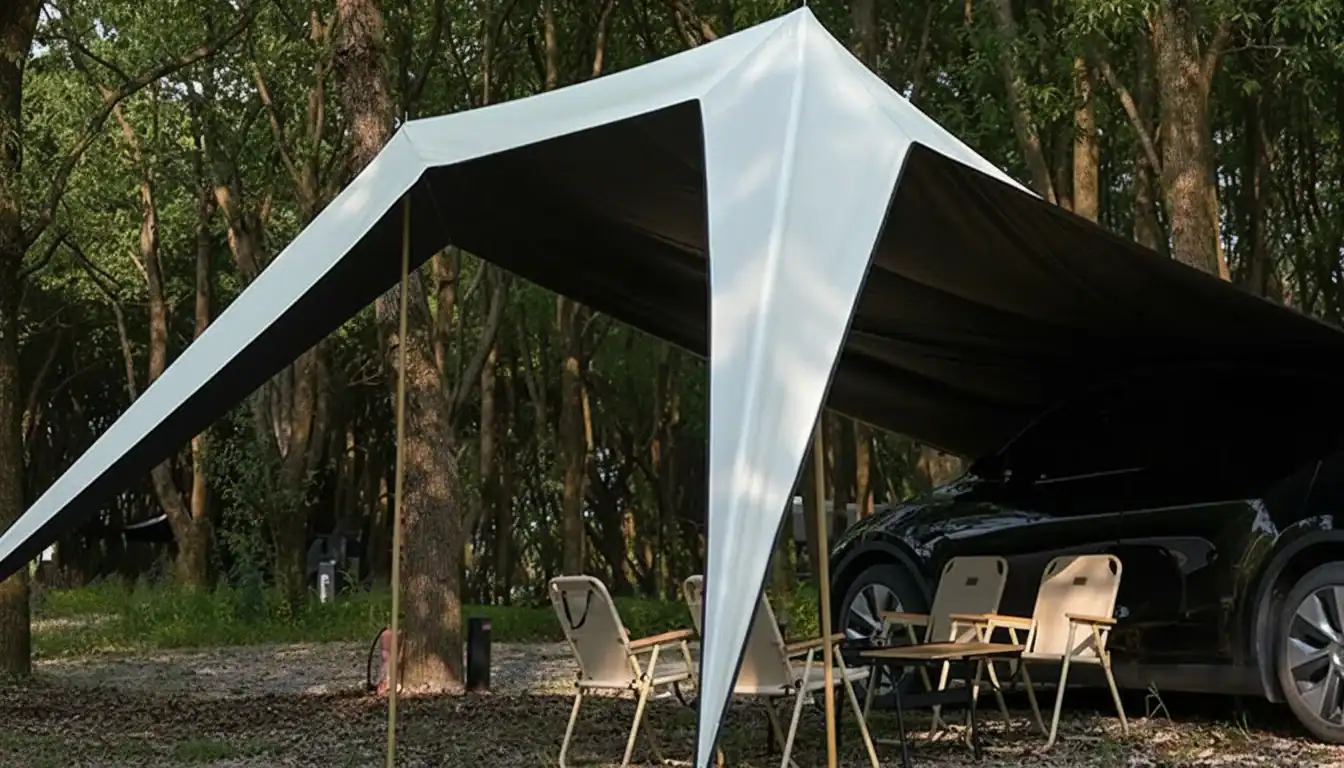
Desglose Real de Costos de Pedidos de Equipamiento de Bajo MOQ (50-500 pzs)
Los pedidos de prueba con MOQ bajo reducen el desembolso total de efectivo en un 81% mientras mantienen el margen para la validación de categoría.
Has visto la guía genérica de MOQ: ‘Comprar al por mayor es más barato por unidad’. Cierto, pero irrelevante si tu plan de categoría tiene un 40% de probabilidad de descuentos. Hagamos los números para una tienda de campaña para 2 personas con tela y postes personalizados. Un pedido al por mayor de 1,000 unidades con precio FOB ronda los $8,000–$10,000. Un lote de prueba con MOQ bajo de 100 unidades de una línea flexible (como la de Kelyland, que comienza en 50–100 piezas) cuesta $1,500–$3,000. Eso es un 81% menos de compromiso de efectivo, suficiente para probar dos SKU diferentes con el mismo presupuesto.
-
- Herramientas para piezas moldeadas: Los conectores de plástico, las carcasas de válvulas o los cubos del marco añaden $200–$500 por SKU en cualquier volumen. Los proveedores genéricos o lo ocultan en el precio unitario o te pasan una factura separada después de la confirmación del pedido. Un socio transparente amortiza las herramientas en el costo por unidad por adelantado, sin sorpresas.
- Creación de patrones y aprobación de muestras: Los patrones de primera tirada para el cuerpo de una tienda (cintas para costuras, fundas para postes, colocación de cremalleras) cuestan $150–$300. Espera de 1 a 2 rondas de muestras antes de la producción en masa. El tiempo de entrega de muestras de Kelyland es de 7 a 15 días, y las tarifas son reembolsables en la conversión a granel, no es la norma de la industria.
- Prima en el abastecimiento de telas: Las fábricas de telas requieren lotes mínimos de tinte (generalmente 500–1,000 yardas). Para un pedido con MOQ bajo, pagas un recargo del 15–25% en el material. Este es el mayor factor oculto de la prima del 38–47% por unidad. Insiste en una cotización de material detallada por partida antes de comprometerte.
El envío y el control de calidad añaden otro 8–12% sobre el costo base. La mayoría de los vendedores de Alibaba cobran por separado inspección previa al envío tarifas ($200–$350 por viaje). Kelyland integra QC en el costo por unidad, incluyendo verificación de costuras impermeables mediante prueba de goteo y controles de tensión por flexión de postes, y proporciona informes de inspección bajo solicitud. Esto elimina una sorpresa de $300 por contenedor.
El 45% de los ejecutivos de cadena de suministro que señalan el costo de abastecimiento como su principal presión (encuesta industrial 2026) a menudo pasan por alto la compensación: el inventario de prueba con MOQ bajo rota más rápido. Un lote de 100 unidades de sillas de camping que se vende a precio completo en 8 semanas supera a un lote de 1.000 unidades con descuento que se vende después de 20 semanas. La prima por unidad se vuelve irrelevante cuando se restan las pérdidas por descuento y los costos de mantenimiento.
| Componente de coste | MOQ bajo (50-100 piezas) | Volumen (1.000 piezas) | Diferencia |
|---|---|---|---|
| Precio por unidad (Ejemplo: Silla de camping) | $12 – $15 | $8 – $10 | +38% a +50% |
| Inversión total (100 piezas vs 1.000 piezas) | $1.200 – $1.500 | $8.000 – $10.000 | −81% a −85% |
| Configuración de moldes y herramientas (por SKU) | $200 – $500 (amortizado en el precio unitario) | $200 – $500 (amortizado en un volumen mayor) | El impacto por unidad es 5 veces mayor en MOQ bajo |
| Muestra de preproducción Tarifa | $50 – $150 (reembolsable en pedido al por mayor) | A menudo exento o incluido | Costo inicial solo para MOQ bajo |
| Control de calidad e inspección | $0 – $50 (integrado en el costo por unidad) | $200 – $500 (tercero aparte) | El MOQ bajo a menudo incluye control de calidad básico; los pedidos al por mayor pueden requerir extra |
| Empaque y etiquetado personalizados | $0.50 – $1.00 por unidad | $0.20 – $0.50 por unidad | +100% a +150% por unidad |
| Flete (FOB China por unidad) | $1.50 – $3.00 (mayor participación por unidad) | $0.80 – $1.50 | +50% a +100% por unidad |
| Tarifas ocultas (ej., copias de certificados, cargos bancarios) | $20 – $50 tarifa fija | $20 – $50 tarifa fija | Mismo costo absoluto, pero relativamente más alto por unidad |
Bajo MOQ vs Producción en Masa: ¿Qué Estrategia de Abastecimiento Gana?
El MOQ bajo reduce el efectivo en riesgo en un 81%, pero la prima por unidad alcanza el 38-47%.
Si eres un gerente de categoría minorista que enfrenta un mínimo de $50,000 para una nueva línea de tiendas de glamping, la elección entre MOQ bajo y producción en masa no es académica, es cuestión de supervivencia. El MOQ bajo (50-100 piezas) reduce tu exposición financiera de alrededor de $8,000 a $1,500–3,000, liberando capital de trabajo para otras cuatro o cinco SKU de prueba. Pero esa flexibilidad tiene un costo: el precio por unidad es un 38–47% más alto que en un pedido de 1,000 unidades. La estrategia ganadora depende de qué equilibrio pueda soportar tu P&L.
-
- Flujo de caja: El MOQ bajo preserva el 81% de tu presupuesto para otras categorías, pero la prima en el costo unitario significa que obtendrás menos margen por venta en el lote de prueba. Los pedidos en volumen comprimen márgenes pero inmovilizan más de $8,000 en inventario que podría quedarse en el almacén si la demanda no se materializa.
- Tiempo de salida al mercado: Los pedidos con MOQ bajo pueden enviarse en 30–45 días desde la aprobación de la muestra, a menudo más rápido porque las fábricas colocan lotes pequeños entre ciclos de producción en masa. Los pedidos en volumen tienen el mismo plazo de entrega pero requieren una preparación más larga para la obtención de materias primas y la configuración de línea dedicada. Si necesitas aprovechar una ventana de lanzamiento de primavera, el MOQ bajo gana.
- Pruebas con múltiples SKU: Con MOQ bajo puedes probar tres diseños de sillas, dos alturas de mesa y una vagón plegable variante por el mismo efectivo total que una SKU en volumen. Eso son datos reales sobre tasas de venta antes de comprometerte con un producto estrella. La producción en masa te obliga a apostar por una sola SKU basándote en la intuición.
- Riesgo de estacionalidad: Una tienda de glamping que fracasa en el primer trimestre se quedará en tu almacén hasta el año siguiente. El MOQ bajo limita ese riesgo a unos pocos cientos de unidades. Los pedidos en volumen para artículos de temporada (ej., tiendas de playa, parrillas de carbón) te exponen a liquidaciones a precio de ganga si el clima cambia o un competidor te baja los precios.
Este es el marco de decisión: utiliza MOQ bajo al entrar en una nueva categoría (ej., tiendas de techo vs. sillas de camping estándar) o al probar un nuevo mercado geográfico (ej., lanzar en Australia vs. Europa). Usa volumen para los bestsellers probados de los que tengas datos de ventas de 6 a 12 meses. El nivel de personalización también importa: si necesitas trabajo profundo de OEM/ODM (teñido de tela personalizado, conectores moldeados por inyección, empaque impreso), consulta el artículo hermano sobre las compensaciones de costo y plazo de OEM vs ODM para decidir si el MOQ bajo sigue teniendo sentido. La mayoría de los compradores pasan por alto costos de herramientas para piezas moldeadas personalizadas — con pedidos mínimos bajos, pueden añadir $200–500 por SKU. Inclúyelos en tu comparación, no solo el precio unitario.
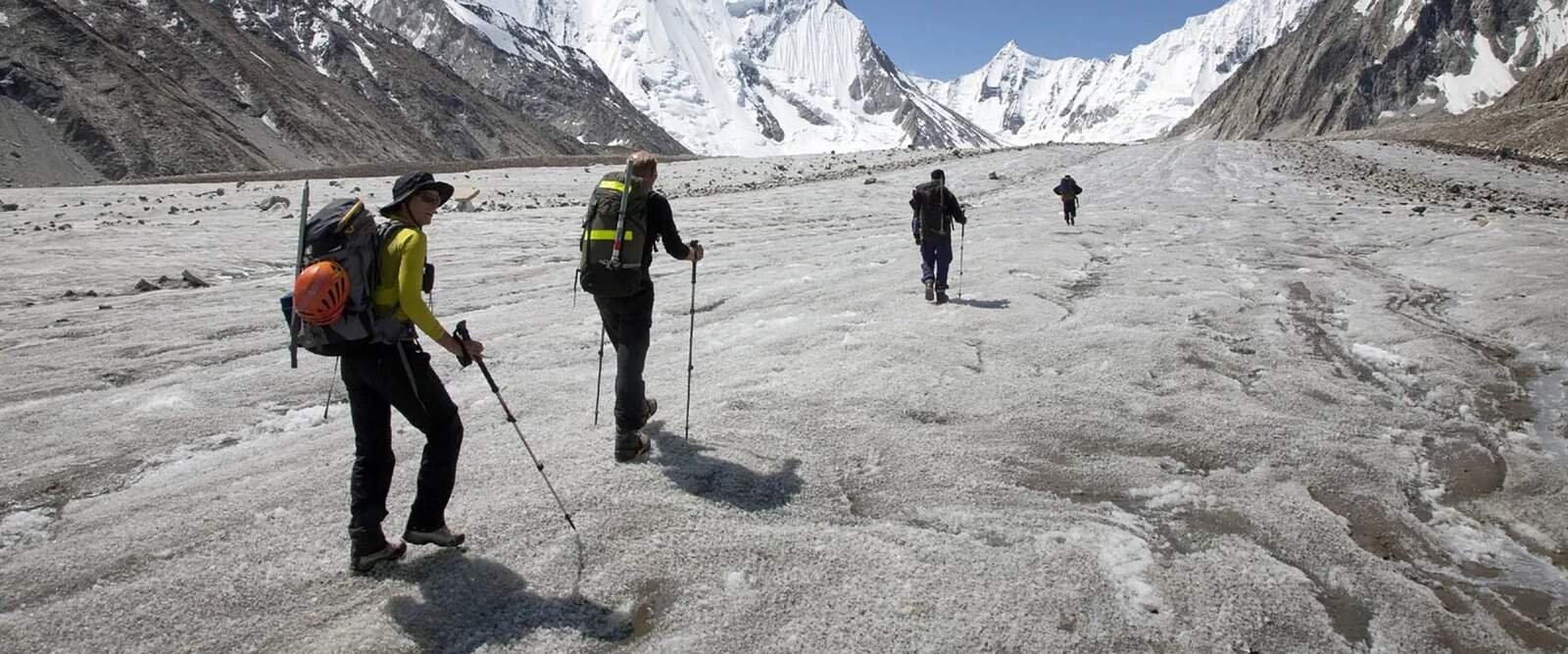
Cómo Abastecer Equipamiento de Camping de Bajo MOQ Sin Salir Quemado
Espera $200–500 en tarifas de herramientas por SKU incluso con pedido mínimo bajo.
Comienza identificando categorías de productos donde los proveedores ofrezcan mínimos flexibles. Colchones inflables, sillas de camping y sacos de dormir son ejemplos comunes donde el pedido mínimo puede bajar a 50–100 piezas. La mayoría de las fábricas generalistas obligan a los compradores a pedidos de 300–1,000 unidades porque carecen de líneas de producción dedicadas a lotes pequeños. La red de 17 fábricas principales de Kelyland incluye líneas que manejan lotes pequeños sin interrumpir pedidos a granel, lo que hace que productos como colchones inflables resistentes a perforaciones estén disponibles desde 100 piezas.
Solicita una muestra de preproducción y define los costos de herramientas antes de realizar un pedido. El gasto que la mayoría de los compradores pasan por alto son las herramientas para piezas moldeadas personalizadas: conectores de plástico para carpas, hebillas para correas o cubos de ruedas moldeados por inyección. Estos añaden $200–500 por SKU incluso en volúmenes bajos. Un proveedor transparente incluirá la amortización de herramientas en el precio unitario en lugar de facturarlo como una tarifa sorpresa aparte. Kelyland hace exactamente eso para lotes de pedido mínimo bajo, por lo que tu cotización es el precio final.
Verificar certificaciones es innegociable para equipos de exteriores. Busca ISO 9001:2015 como base para sistemas de gestión de calidad, además de marcas específicas del producto como CE para componentes eléctricos o BSCI para cumplimiento social. Las fábricas asociadas de Kelyland cuentan con estas certificaciones y proporcionan informes de inspección a solicitud. No aceptes solo una copia en PDF: pregunta por el nombre del organismo certificador y el número de certificado, luego verifica en línea.
Utiliza un plan de pedidos por fases. Comienza con 100 unidades para validar la adecuación del producto al mercado antes de escalar. Tu compromiso financiero total se reduce de aproximadamente $8,000 (para 1,000 unidades) a $1,500–3,000. Sí, el costo unitario es 38–47% más alto en volumen bajo, pero preservas capital para marketing y evitas existencias muertas en almacén. Después de que el primer lote confirme ventas, puedes aumentar el tamaño del pedido con confianza.
Finalmente, asóciate con un servicio de abastecimiento integral que gestione el control de calidad y la logística de principio a fin. El proceso de 10 pasos de Kelyland incluye inspecciones en línea y aprobación previa al envío en cada etapa, con costos de control de calidad integrados en el precio unitario, no como una partida oculta. Así es como mantuvieron una calidad consistente para Ace Hardware en múltiples categorías de productos durante una asociación de tres años. Obtienes soporte logístico completo, desde la documentación de exportación hasta el seguimiento en tiempo real, sin tener que viajar a China tú mismo.
Conclusión
El abastecimiento con pedido mínimo bajo reduce tu exposición de capital en un 81% en comparación con pedidos a granel, pero la prima del 38–47% en el costo unitario es un número real que necesitas en tu hoja de cálculo antes de la primera llamada al proveedor. La aprobación de muestras y las verificaciones de tolerancia de calidad separan una prueba exitosa de un error de $50K, especialmente cuando están involucradas piezas moldeadas personalizadas o recubrimientos de tela. Usa ese rango de prima de costo como referencia: si un proveedor cotiza por encima del 50% para un pedido de 100 piezas, presiona o retírate.
Revisa las especificaciones del colchón inflable y los detalles del pedido mínimo — desde 100 unidades con control de calidad completo y supervisión ISO 9001 — para ver cómo estos números se aplican a la prueba de categoría de tu próxima temporada.
Preguntas frecuentes
¿Cuál es el MOQ típico para equipos de camping al aire libre de fábricas chinas?
El MOQ típico para modelos estándar varía de 300 a 1,000 piezas, pero algunos proveedores ofrecen artículos seleccionados desde tan solo 50 a 100 piezas. Si puede obtener un MOQ tan bajo depende de la complejidad del producto y del. Solicite un MOQ específico después de definir las especificaciones de su producto.
¿Cuánto más cuesta por unidad un MOQ bajo en comparación con el volumen?
El costo por unidad en pedidos con MOQ bajo (50–100 piezas) suele ser un 38–47% más alto que en pedidos al por mayor de 1,000+ piezas. Sin embargo, el desembolso total en efectivo se reduce de aproximadamente $8,000 a $1,500–3,000, liberando capital para probar el mercado. Evalúe la prima por unidad frente al menor riesgo de inventario.
¿Puedo pedir un lote mínimo bajo con marca y empaque personalizados?
Sí, puede pedir un MOQ bajo con marca y empaque personalizados. La mayoría de las fábricas especializadas en equipos para exteriores ofrecen servicios completos de OEM/ODM incluso en volúmenes pequeños, que incluyen teñido personalizado, impresión y empaque de marca privada. Confirme el mínimo para el empaque personalizado con su proveedor.
¿Cuánto tiempo se tarda en recibir un pedido con MOQ bajo desde China?
El plazo de producción estándar para un pedido con cantidad mínima de pedido baja es de 30 a 45 días. El tiempo real varía según la colocación del pedido, la complejidad del producto y el grado de personalización. Planifique con anticipación y confirme el plazo durante la aprobación de la muestra.
¿Qué pasa si el producto de bajo MOQ tiene problemas de calidad?
Los proveedores de confianza realizan inspecciones previas al envío y ofrecen soporte posterior a la venta para abordar problemas de calidad. Las inspecciones finales detectan la mayoría de los defectos antes del envío, y un servicio posventa receptivo maneja cualquier problema restante. Siempre considere una inspección de terceros para pedidos críticos.

 English
  Español
  Deutsch
  Français
  Português do Brasil
  Русский
  العربية
  한국어
한국어  日本語
日本語