 Ir al contenido
La Lista de Verificación de Fábricas al Aire Libre de China es el primer punto de control que los compradores deben asegurar antes de aprobar un proveedor, presupuesto o espacio de producción. Una lista de verificación adecuada se vuelve real en el momento en que llega un contenedor y la muestra de preproducción ya no coincide con lo que está en el almacén. He visto un pedido de 50,000 sillas de camping llegar con recubrimiento en polvo del marco que se descascaró en los puntos de soldadura—algo que la muestra sellada nunca mostró porque esa muestra fue fabricada por un subcontratista completamente diferente. La hoja de especificaciones era perfecta. El precio FOB era agresivo. Nada de eso importó.
La mayoría de los gerentes de categorías minoristas heredan plantillas de auditoría genéricas diseñadas para electrónica o productos duros. El equipo para exteriores rompe esas plantillas. Una línea de costura que produce 800,000 tiendas de campaña al año tiene modos de falla que una auditoría de moldeo por inyección de plástico nunca anticipa: delaminación de la cinta de costura a -10°C, deslizamiento del coil de la cremallera bajo tensión lateral, clasificaciones de columna de agua que están bien en la muestra de prueba pero caen un 40% en una producción completa porque la fábrica de tela cambió la fórmula del recubrimiento de PU a mitad del lote. La tolerancia de calidad entre una clasificación de impermeabilidad de 1500mm y 3000mm no es un punto de negociación—es la diferencia entre un producto que permanece en el estante y uno que desencadena una cascada de devoluciones.
Las fábricas que hacen esto bien comparten tres señales operativas: poseen sus propias máquinas selladoras de cinta en lugar de subcontratar la postproducción, calibran anualmente sus equipos de prueba con una etiqueta CNAS que se puede fotografiar durante un recorrido en video, y pueden producir certificados de fábrica con números de lote de calor para cada material crítico—aluminio 7075 postes de tienda, códigos de lote de cremalleras YKK, y tela con una prueba de columna de agua verificada de ese rollo específico. Las fábricas que no pueden hacer estas tres cosas son empresas comerciales con una sala de exhibición, independientemente de lo que diga su certificado ISO. Antes de firmar una sola orden de compra, haz estas tres preguntas.
Por qué las listas de verificación genéricas fallan a los compradores minoristas
Una lista de verificación ISO genérica no evitará que una tienda de campaña gotee en un estante minorista.
La mayoría de las listas de verificación de auditoría de fábricas disponibles provienen de plataformas de adquisiciones generalistas. Verifican salidas de emergencia y horas laborales, pero pasan por alto por completo la física del equipo para exteriores. Un piso de costura que produce bolsas de mano perfectamente aceptables puede arruinar la clasificación de impermeabilidad de una tienda de campaña si el operador de sellado de costuras no controla la máquina de cinta de aire caliente al punto de fusión específico del poliuretano. Para telas de nailon y poliéster, ese rango de temperatura está entre 380°C y 420°C. Fuera de ese rango, la cinta no se adhiere o quema directamente la tela base.
Debes verificar esto en persona o mediante una sonda de video en vivo. Pide al supervisor del piso que selle un trozo de tu tela de producción específica, no una muestra preparada de antemano. Una empresa comercial no puede montar esta demostración porque no posee una cinta de costura máquina calibrada para textiles de uso exterior. Si dudan, acaba de identificar un riesgo de fraude en la sala de muestras en menos de tres minutos.
La misma brecha se aplica a la verificación de la clasificación del material. Sus competidores aceptan un certificado de fábrica que dice ‘impermeable’, pero usted sabe que ese término carece de sentido sin una medición de columna hidrostática (HH). Las tiendas de campaña de calidad para uso comercial exigen una clasificación HH mínima de 3.000 mm. Las telas clasificadas en 1.500 mm HH fallan en el momento en que la presión de la rodilla de un campista aplica el peso del agua contra el suelo. Los datos minoristas internos muestran que las marcas que utilizan pisos de tiendas de campaña de 1.500 mm generan tasas de devolución tres veces superiores a las de los competidores de 3.000 mm. Una devolución es la transacción más cara en el comercio minorista, consumiendo gastos generales de logística, mano de obra de reposición y confianza permanente en el estante. Verificación de la cámara de envejecimiento UV:.
-
- Las listas de verificación genéricas omiten esto por completo. Las telas para exteriores deben demostrar solidez del color y retención de resistencia a la tracción mediante ciclos de envejecimiento QUV/UV mínimos de 500 horas. Solicite ver el registro de ciclos más reciente. Un libro de registro polvoriento indica un accesorio decorativo, no un laboratorio de pruebas en funcionamiento. Granularidad de las especificaciones de embalaje:.
- Las auditorías estándar confirman que un producto se coloca en una caja. Usted necesita confirmar que la bolsa de plástico cumple con los umbrales específicos de penalización de su cadena. Una bolsa más fina que 2,5 mil provoca una tarifa automática por deficiencia. Olvidar la impresión de advertencia de asfixia ASTM F963 añade $2–$5 por unidad en deducciones del minorista. La resolución de impresión de la caja de color por debajo de 300 DPI bloquea el escaneo de códigos de barras GS1 en el punto de venta, generando datos de rechazo a nivel de estante en tiempo real. Área de cumplimiento minorista:.
- (Nota: La línea 10 original solo tiene el título "Retail Compliance Floor:", se traduce como "Área de cumplimiento minorista:") Verifique que la fábrica tenga la disciplina interna para producir cartulina para etiquetas colgantes de al menos 350 g/m². Una etiqueta endeble grita ‘tienda de descuento’ y es rechazada por los equipos de cumplimiento de planogramas. Su proveedor debe demostrar que posee el prefijo de empresa GS1 que coincide con su entidad comercial registrada, no un grupo de números reciclados de un tercero.

Legitimidad comercial: más allá de las licencias comerciales
Una licencia comercial prueba la existencia, no la capacidad.
Un proveedor que agita una licencia comercial es el paso cero. La trampa de costos se abre cuando aceptas eso como prueba de que poseen una fábrica. Las empresas comerciales alquilan espacios de oficina compartidos, exhiben muestras de una docena de fabricantes y se hacen pasar por la fuente. Su primera orden de compra muere en la vid cuando los plazos de entrega se alargan y comienzan las sustituciones de componentes porque no controlan ningún piso de producción. Verifique la legitimidad con pruebas operativas, no con documentos escaneados.
-
- Dirección registrada vs. mapas de zonas industriales: Busque el nombre de la empresa en el Sistema Nacional de Información Crediticia de Empresas de China (qcc.com). Mire la dirección registrada. Verifíquela en vista satelital. Una instalación de producción se encuentra en un parque industrial rodeado de muelles de carga y patios de materias primas. Una dirección de torre de oficinas comerciales, especialmente una compartida por otras 50 entidades “comerciales”, significa que está hablando con un intermediario, no con un fabricante. Solicite una foto de la placa de la fábrica en la puerta que coincida con la licencia comercial. Sin coincidencia, no hay trato.
- Verificación cruzada de registros de exportación aduanera: Solicite su declaración de exportación aduanera del último envío en su categoría de producto. Una fábrica que exporta acampar el equipo tendrá códigos SA específicos del producto archivados—6306.22 para tiendas de campaña, 9404.30 para sacos de dormir. Una empresa comercial podría mostrar un envío electrónico aleatorio o negarse por completo. También pida ver el número de registro de la licencia de exportación; la licencia de un fabricante genuino listará su propio alcance de fábrica. Si no pueden presentar una declaración en 24 horas, no envían directamente.
- Sonda Técnica en Videollamada — Temperatura de Sellado de Costuras: En un recorrido en video en vivo, no pregunte al vendedor. Pida hablar con el gerente de línea en la estación de sellado de costuras. Pregunte directamente: “¿Qué rango de temperatura utiliza para la máquina de cinta de aire caliente para cinta de costura de PU en poliéster 190T?” La respuesta correcta es 380–420°C. Un empleado de una empresa comercial en la línea no sabrá esto; tartamudeará o dirá “seguimos el estándar”. Un gerente de producción real recita el número sin pensar. Esta única pregunta expone el fraude de la sala de muestras en menos de tres minutos.
- Saco de dormir Referencia Cruzada de Poder de Relleno: Si un proveedor afirma tener plumón de ganso con poder de relleno de 650 u 800, solicite ver el certificado de plumón del lote de materia prima. Luego solicite un video de la poder de relleno prueba—el recipiente de medición cilíndrico y la cámara de acondicionamiento. Una fábrica que realiza pruebas internas mostrará la configuración del método de prueba IDL o Lorch. Una empresa comercial enviará un certificado genérico sin trazabilidad de número de lote. Exija que el informe de prueba enumere su modelo de producto específico; un informe sin número de modelo es papel tapiz, no evidencia.
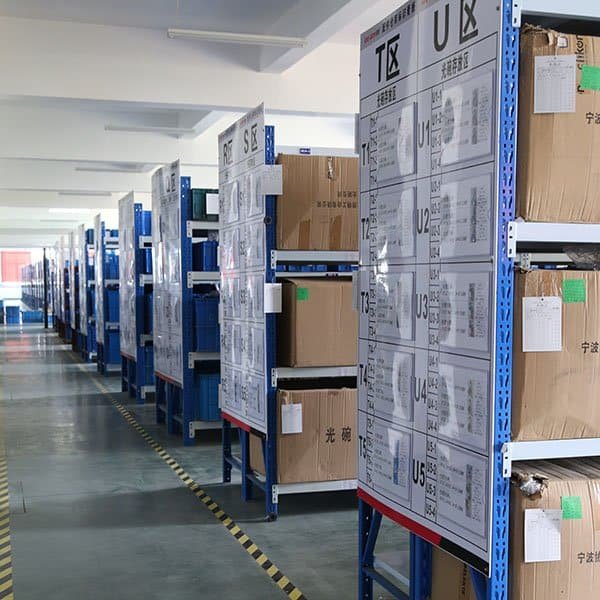
Trazabilidad de materiales para productos de exteriores
Una muestra que pasa la inspección no significa nada si la fábrica no puede rastrear lo que se usó en ella.
Vi a un comprador desempaquetar un contenedor de 40 pies en Róterdam el año pasado. $50,000 en valor de tiendas de campaña. La muestra de preproducción había sellado cada costura perfectamente. ¿La producción en masa? La cinta de las costuras se despegaba en tiras antes de que siquiera se desmontaran los palés. Causa raíz: la fábrica sustituyó la cinta de poliuretano especificada por una variante de PVC más barata a mitad del proceso. Nadie lo detectó porque nadie exigió un informe de trazabilidad a nivel de lote que vinculara el lote de producción con la especificación de material de la muestra aprobada. Todo el pedido fue a liquidadores a 30 centavos por dólar. Esto no es un caso excepcional. Esto es lo que sucede cuando se trata la trazabilidad de materiales como una casilla de verificación en lugar de un protocolo de verificación.
La trazabilidad de materiales para equipos de exterior es fundamentalmente diferente de la de los bienes de consumo generales. Una mochila de moda falla por verse mal. Una cubierta de tienda de campaña con tela no trazable falla al colapsar en una tormenta a las 3 a.m. con una familia dentro. La cadena de responsabilidad comienza en tu orden de compra. Las cinco categorías de materiales a continuación son aquellas donde las sustituciones causan fallos catastróficos en el campo, no defectos cosméticos, sino reclamaciones de garantía, contracargos y daños a la reputación a nivel de categoría que aparecen en tu informe trimestral de tasas de devolución.
-
- Autenticidad de la cremallera YKK: Referencia cruzada del código de lote. Cada cremallera YKK genuina sale de la fábrica con una etiqueta de embalaje que lleva un código de lote de 7 dígitos y el número de identificación del distribuidor regional. Solicita una fotografía de esta etiqueta antes de aceptar cualquier muestra de preproducción. Verifica el número de distribuidor con la lista publicada de distribuidores regionales de YKK, disponible a través de las oficinas de ventas locales de YKK, no en su sitio web público. Una fábrica que utiliza correderas y cadenas YKK legítimas tendrá una relación activa con un distribuidor y un historial de compras. Si sacan correderas de un contenedor genérico y dicen “confía en mí, es YKK”, retírate. Las cremalleras YKK falsificadas fallan dentro de 800-1,200 ciclos en clima frío, frente a más de 5,000 ciclos para el producto auténtico probado a -10°C. La diferencia de coste por unidad es aproximadamente $0,15-0,30. ¿El coste del contracargo por cada tienda devuelta? $8-15 solo en flete y procesamiento.
- Aluminio 7075-T6: Certificados de fábrica con números de lote de tratamiento térmico. La aleación de aluminio 7075 alcanza su resistencia a través de un proceso específico de tratamiento térmico T6: tratamiento de solución seguido de envejecimiento artificial. Sin la designación T6, tienes 7075-O estándar, que tiene aproximadamente la mitad del límite elástico. La única forma de verificar el temple T6 es un certificado de fábrica del proveedor de aluminio que muestre el número de lote de tratamiento térmico, la composición química (zinc al 5,1-6,1%, magnesio al 2,1-2,9%, cobre al 1,2-2,0%) y propiedades mecánicas (resistencia a la tracción mínima de 503 MPa, límite elástico mínimo de 434 MPa). Los números de lote de tratamiento térmico deben remontarse a una fecha de producción y lote de horno específicos en la fábrica. Aceptar un certificado que solo mencione ‘aluminio 7075’ sin el sufijo T6 y el número de lote es comprar aleación 6061 a un precio premium, una sustitución que he detectado tres veces en cadenas de suministro de bastones de tienda y bastones de trekking. Consecuencia en el campo: bastones doblados bajo cargas de viento de menos de 50 km/h donde el 7075-T6 correctamente templado resistiría.
- Columna de agua: Informes de prueba, no promesas en la ficha técnica. 1. La clasificación de columna hidrostática es el número más tergiversado en la adquisición de equipos para exteriores. 2. Una hoja de especificaciones de fábrica que afirma ‘impermeable a 3.000 mm’ vale menos que el PDF en el que está impresa. Exija un informe de prueba de columna hidrostática con fecha de una máquina calibrada, identificable por el número de serie de la máquina y el nombre del operador en el informe. Para tiendas de campaña de grado minorista, el mínimo en el piso es de 3.000 mm en la tela del toldo y 5.000 mm en la lámina del suelo. Para. 3. , 2.000 mm en la tela de la cubierta. La prueba debe realizarse en el lote de tela de producción real, no en una muestra de laboratorio preparada hace seis meses. He visto fábricas enviar tela de 1.500 mm etiquetada como de 3.000 mm porque el comprador solo pidió la hoja de especificaciones interna del proveedor. La diferencia en la tasa de devolución es 3x: la tela de 1.500 mm gotea dentro de los primeros 90 minutos de lluvia persistente, y cada fuga genera una reseña de una estrella que permanece permanentemente en el sitio web de su socio minorista. sacos de dormir, 4. Certificación UV-50+: informes de prueba AATCC 183 o EN 13758-1.
- 5. Informes de prueba: Tela de silla de camping 6. , techos de tienda de campaña y cubiertas de carro expuestos a la luz solar directa se degradan mediante foto-oxidación UV. El hilo de nailon o poliéster pierde resistencia a la tracción progresivamente: una tela sin estabilizadores UV puede perder 40-50 T P3T de su resistencia al desgarro dentro de las 500 horas de exposición UV. La certificación UV-50+ significa que la tela bloquea al menos el 97.5 T P3T de la radiación UV y, por extensión, la tela misma incorpora inhibidores UV adecuados. Solicite un informe de prueba AATCC 183 (mercado de EE. UU.) o EN 13758-1 (mercado de la UE) de un laboratorio acreditado ISO 17025, no de la sala de pruebas de la fábrica a menos que tenga acreditación CNAS específicamente para pruebas UV. Feche el informe dentro de los 12 meses de su ejecución de producción. Los sustitutos equivalentes sin certificación fallan a tasas del 30 T P3T o más porque la degradación UV es invisible hasta que la tela se rasga espontáneamente en una costura o punto de tensión. 7. La trampa del sustituto: cuando ‘equivalente’ significa ‘más barato’.
- 8. La frase más cara en la adquisición de equipos para exteriores 9. es ‘o equivalente’. Una fábrica 10. que propone un sustituto de cremallera, tela o aleación de aluminio sin un certificado de molino o informe de prueba correspondiente está tomando una decisión de costo, no una decisión de calidad. La diferencia de precio entre 7075-T6 y 6061-T6 es aproximadamente del 40 T P3T en el costo de extrusión en bruto. Entre la cinta de costura de PU y la cinta de costura de PVC, aproximadamente del 60 T P3T. Entre nailon estabilizado contra UV y nailon genérico, del 15-25 T P3T. Cada sustitución erosiona un margen que no puede recuperar cuando las fallas en el campo provocan devoluciones al 5-8 T P3T del precio minorista por unidad. El protocolo es simple: cualquier sustitución de material propuesta requiere un nuevo certificado de molino, un nuevo informe de prueba y una nueva muestra de preproducción para re-aprobación antes de que la sustitución se fije en el acuerdo de producción. Aceptar sustitutos sin documentación significa aceptar una tasa de falla en el campo del 30 T P3T+ como un costo de hacer negocios. La fábrica no asumirá ese costo, lo hará su P&L de categoría. 11. Una cosa más sobre el momento. Solicite estos documentos durante la fase de aprobación de la muestra, antes de emitir el depósito del 30 T P3T y de que se fije el acuerdo de producción. Después de que se liquide el depósito, el incentivo de la fábrica para buscar documentación cae a casi cero. Antes del depósito, la solicitud del certificado de molino es una condición del pedido. Después, es un correo electrónico molesto que responderán la próxima semana. La secuencia importa tanto como los documentos mismos.
12. Categoría de material.
| 13. Especificación crítica | 14. Impermeabilización de tela para tienda de campaña | Método de verificación | Umbral minorista | Señal de alerta |
|---|---|---|---|---|
| Impermeabilización de tela de tienda | Cabeza Hidrostática ≥3000mm | Informe de prueba HH independiente (no del proveedor interno) | ≥3000mm para carpas; ≥2000mm para bolsas | Solo afirmaciones de ‘impermeable’, sin informe de laboratorio con número de modelo |
| Aislamiento de Saco de Dormir | Retención de loft en cámara fría a -20°C | Informe de prueba de cámara fría (calibrada anualmente) | Retención de loft consistente con la afirmación de poder de relleno | Sin cámara con temperatura controlada ni calcomanía de calibración |
| Sistemas de Cremalleras | Autenticidad de marca YKK o equivalente | Verificar códigos de lote del empaque contra listas de distribuidores regionales de YKK | Lote trazable hasta el distribuidor autorizado | Cremalleras genéricas, sin códigos de lote, o negativa a mostrar certificado del proveedor |
| Marcos de Aleación de Aluminio | Aleación 7075-T6 con trazabilidad de lote térmico | Certificado de fábrica con número de lote, ensayo de tracción ≥500N para juntas | Resistencia a la tracción ≥500N; grado de aleación certificado | Sin certificado de fábrica, aleación ‘equivalente’ de la serie 6 utilizada sin documentación |
| Cinta selladora de costuras | Cinta de poliuretano aplicada a 380–420 °C | Demostración en vivo de sellado de costuras sobre TU tela, verificar ajustes de temperatura de la máquina de cintas | Cinta completamente re-fusionada, sin levantamiento después de una prueba HH de 3000 mm | La fábrica no puede mostrar la máquina de cintas o se niega a la demostración en vivo |
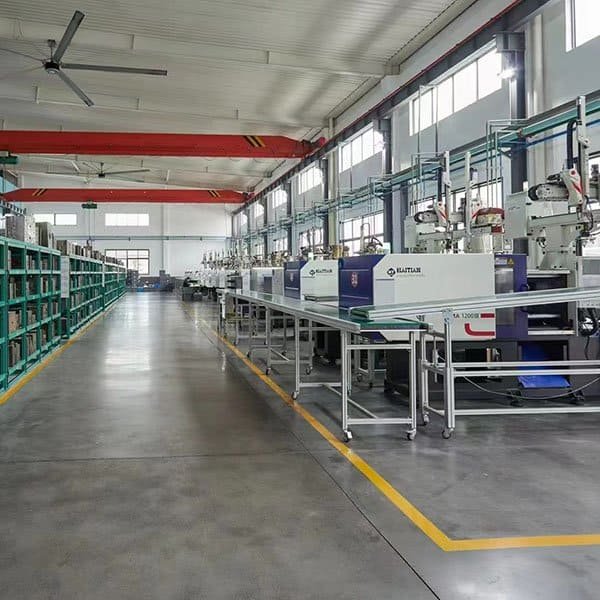
Infraestructura de pruebas de calidad: qué verificar en el sitio
Una pegatina de calibración es tu prueba forense de que la máquina funciona.
Estás en la sala de pruebas de una fábrica china, mirando un comprobador de columna de agua de $5,000. Está impecable. Es nuevo. Tu proveedor sonríe y señala la máquina como si fuera prueba de calidad. Dos meses después, tus envíos de tiendas de campaña muestran una tasa de devolución de 12% porque las costuras filtran a 1200 mm — muy lejos de los 3000 mm que prometía la ficha técnica. La máquina era un accesorio decorativo. Nunca se había utilizado.
Esto no es raro. Las visitas a fábricas en Zhejiang y Jiangsu revelan un patrón: equipos de prueba comprados para las visitas de los compradores, nunca conectados al flujo de trabajo diario de producción. Tu trabajo in situ es distinguir un laboratorio de calidad funcional de una sala de exposición. La diferencia importa porque los contracargos minoristas por fallos de tiendas de campaña sometidas a prueba de humedad oscilan entre $8 y 15 por unidad — suficiente para eliminar tu margen de categoría en un solo pedido de temporada.
Comienza con equipos que validen directamente los modos de fallo de tu producto. Para equipamiento de exterior, esos modos son predecibles: entrada de agua a través de la tela, despegue de la cinta de costuras bajo calor, separación de la cinta de cremallera bajo carga, rotura de las uniones de los postes, pérdida de volumen del aislamiento en frío y decoloración en estantería. Cada modo de fallo requiere una máquina específica. Si la máquina no está in situ, la prueba no se está realizando.
-
- Comprobador de columna de agua (No solo una boquilla pulverizadora): Un comprobador HH adecuado aplica presión de agua creciente a una muestra de tela hasta que tres gotas la penetran. Para tiendas de campaña de venta al por menor, el umbral de aprobación es ≥3000 mm. Una fábrica que te muestra solo una botella pulverizadora y dice ‘probamos bajo la lluvia’ no puede verificar la consistencia de los lotes de tela. Exige ver el registro de pruebas — cada rollo de poliéster recubierto de PU debe tener un valor HH registrado y una fecha. Si el registro está en blanco o la última entrada tiene tres meses de antigüedad, la máquina es decoración.
- Máquina de resistencia a la tracción (mínimo 500 N para uniones de postes): Tienda de campaña Los cubos de los postes y las conexiones con cuerda elástica soportan tensiones repetidas durante el montaje y la carga del viento. Un probador de tracción con menos de 500 N no puede evaluar adecuadamente las uniones de postes de aluminio o fibra de vidrio. Pida al operador que sujete una sección de poste de su SKU específico y tire hasta la rotura. Observe la lectura digital. Si la unión cede por debajo de 350 N en un poste de aluminio 7075, eso es un problema de sustitución de material — probablemente una aleación reciclada que se romperá en clima frío.
- Cámara fría (-20 °C para retención de loft en sacos de dormir): Los sacos de dormir pierden loft en condiciones bajo cero cuando las fibras de relleno se endurecen. Una cámara fría a -20 °C permite medir la recuperación del loft comprimido después de 24 horas a temperatura. La prueba de aprobado/reprobado es visual y medible: el saco debe recuperar el 80 % o más de su loft original dentro de los 30 minutos posteriores a la extracción. Si la fábrica no tiene cámara fría, están adivinando índices de temperatura. Eso significa que la declaración en la etiqueta EN 13537 de su cliente minorista es fabricada.
- Cámara de envejecimiento UV (ciclo mínimo de 500 horas): Las telas para exteriores se degradan bajo la luz solar: el poliéster pierde resistencia a la tracción, el nailon se vuelve amarillo, los recubrimientos de PU se agrietan. Una cámara de envejecimiento UV acelera esto con exposición controlada a UV-B. El estándar de la industria para equipos de exterior es de 500 horas continuas. Después del ciclo, la tela debe conservar ≥70% de su resistencia al desgarro original. Una fábrica sin cámara UV vende tela que se decolorará y rasgará en una temporada en un estante minorista, y las devoluciones llegarán a su escritorio, no al de ellos.
La etiqueta de calibración es su herramienta de diagnóstico más poderosa durante una inspección. Cada máquina de pruebas legítima recibe una calibración anual de un organismo reconocido; en China, suele ser un laboratorio acreditado por CNAS. La etiqueta muestra la fecha de calibración, el logotipo del organismo certificador y la próxima fecha de vencimiento. Sin etiqueta significa una de dos cosas: la máquina nunca ha sido calibrada, o fue calibrada hace tanto tiempo que la etiqueta se cayó. Ambas son descalificantes para una fábrica que dice servir a compradores minoristas.
El polvo es su aliado en esta inspección. Pase el dedo por el borde superior del depósito de agua del probador de columna hidrostática. Abra las mordazas del probador de tracción y verifique si hay residuos de tela. Si el equipo está estéril (sin polvo, sin fragmentos de fibra, sin manchas de agua), está viendo un modelo de exhibición. El equipo de pruebas real se ensucia. Las fábricas que realizan controles de calidad diarios tienen máquinas con rayones, empuñaduras desgastadas y sedimentos en las líneas de agua. El equipo estéril expone la farsa.
Las pruebas de sillas tienen sus propios requisitos de infraestructura que la mayoría de las listas de verificación genéricas omiten por completo. BIFMA X5.1, el estándar norteamericano para asientos, exige dos pruebas de carga distintas. La prueba de carga estática aplica 225 kg verticalmente al asiento durante un minuto sin falla estructural. La prueba de carga dinámica deja caer 100 kg sobre el asiento durante 100,000 ciclos para simular el uso repetido. Una fábrica que solo le muestra a un trabajador sentado en una silla y declarándola ‘fuerte’ no tiene una tolerancia de calidad verificable. Exija ver el marco de prueba hidráulico y el contador de ciclos. Si ninguno existe, su comprador minorista descubrirá la rotura del marco en la devoluciones de clientes cola.
Una última prueba que no le cuesta nada: pida ver el contenedor de muestras fallidas. Toda fábrica con un programa de pruebas funcional tiene un montón de rechazos: muestras de tela con costuras reventadas, secciones de poste dobladas, sillas con reposabrazos agrietados. Una fábrica que afirma tener tasas de aprobación del 100% o muestra solo muestras perfectas está ocultando fallas. Los mejores proveedores mantienen las muestras fallidas organizadas por SKU y fecha, porque las usan para capacitar a los trabajadores de la línea de producción y ajustar la configuración de las máquinas. La ausencia de un contenedor de rechazos es tan reveladora como un probador hidrostático libre de polvo.
5 señales de alerta que indican una empresa comercializadora
Las empresas comerciales sobreviven gracias a tu incapacidad para hacer la pregunta correcta en el momento adecuado.
He auditado proveedores en 12 países, y esta es la verdad incómoda: una empresa comercial que se hace pasar por fábrica nunca lo admitirá. Las atrapas a través de señales de comportamiento, no con preguntas directas. A continuación, cinco banderas rojas que he usado sobre el terreno para alejarme de un proveedor en menos de 15 minutos después de llegar a sus instalaciones. Cada bandera viene con una técnica de verificación específica que puedes ejecutar en una videollamada antes de gastar $300-800 en una auditoría presencial.
Bandera roja #1: El catálogo de productos parece un pasillo de liquidación de grandes almacenes. Cuando una sola empresa afirma fabricar tiendas de campaña, altavoces Bluetooth, gabinetes de cocina y juguetes de fundición a presión simultáneamente, estás viendo a un agente de abastecimiento, no a una fábrica. Las verdaderas fábricas de equipo para exteriores se agrupan en torno a una tecnología de producción específica: líneas de costura para productos blandos, extrusión para marcos de aluminio, moldeo por inyección para componentes de plástico. Ninguna fábrica posee todas las máquinas para cada categoría. Verificación cruzada: abre la página de productos de su sitio web durante la llamada y cuenta las tecnologías de fabricación distintas requeridas. Más de tres procesos no relacionados significa una empresa comercial.
-
-
- Verifica en el acto: Pide ver la línea de producción específica para la categoría que estás comprando. Si venden tanto muebles como electrónica, pide caminar hasta la línea de ensamblaje de electrónica durante el mismo recorrido. Un recorrido real de fábrica toma 30-45 minutos porque caminas entre zonas de producción. Un recorrido de empresa comercial termina en 10 minutos porque la sala de exposición es la única habitación real.
- Cómo se ve una fábrica: Una fábrica legítima de equipos para exteriores especializada en productos cosidos opera de 50 a 200 máquinas de coser industriales en un solo piso, tiene una sala de corte dedicada con extendidoras automáticas de tela y almacena rollos de tela cruda por toneladas. Si ves 5 máquinas y una mesa de conferencias, vete.
-
Bandera Roja #2: Se niegan a mostrar el almacén de materias primas. Toda fábrica que realmente produce bienes mantiene inventario de materias primas: rollos de tela, tubos de aluminio, existencias de cremalleras, rollos de espuma. Una fábrica con un flujo genuino de órdenes de compra tiene estanterías, racks o almacenamiento en el suelo organizado por tipo de material y número de lote. Cuando un proveedor desvía tu solicitud de almacén con ‘está desordenado hoy’ o ‘el almacén está en una ubicación separada a la que no podemos acceder ahora’, no poseen los materiales y probablemente tampoco poseen la producción.
-
-
- La clave del almacén: Los almacenes de materias primas en las fábricas de equipos para exteriores huelen a tela, caucho o adhesivo. Tienen montacargas, muelles de carga y etiquetas de inventario. Solicita un recorrido en video en vivo que muestre rollos de tela con número de lote. Si los estantes están vacíos o el almacén parece escenificado con unas pocas cajas simbólicas, la fábrica está comprando materiales trabajo por trabajo a un tercero, lo que significa que pagas un sobreprecio y no tienes ninguna trazabilidad de materiales.
- Por qué esto importa para tu margen: Una empresa comercial que marca los materiales en un 8-15% se come directamente el margen bruto del 35-50% que tu categoría necesita. Peor aún, no puedes verificar si la tela utilizada en tu tienda de campaña minorista realmente cumple con la clasificación de 3000 mm de columna de agua que especificaste, porque nadie en la empresa comercial tocó la materia prima antes de que llegara.
-
Bandera Roja #3: No pueden proporcionar certificados de molino de subproveedores para componentes críticos. Para cualquier SKU de equipo para exteriores, dos componentes determinan el 80% de las tasas de fallos en campo: cremalleras y marcos de aluminio. Una fábrica real compra cremalleras YKK directamente del distribuidor regional de YKK y conserva el embalaje con código de lote y números de lote trazables. Compran tubos de aluminio 7075-T6 de molinos designados y conservan los certificados de lote térmico. Cuando pides estos documentos y recibes una mirada en blanco o un ‘certificado de calidad’ genérico sin nombre de molino, número de lote o fecha de producción, no estás tratando con la entidad que compró esos materiales.
-
-
- Verificación de cremalleras: El embalaje de YKK incluye códigos de lote que se pueden cotejar con la red de distribuidores autorizados de YKK. Pide al proveedor que te muestre el embalaje de YKK con la etiqueta de lote visible en video. Una empresa comercial no puede producir esto porque no realizó el pedido de cremalleras: lo hizo la fábrica no identificada, y la empresa comercial no tiene acceso a los registros de compras de esa fábrica.
- Trazabilidad del aluminio: Para sillas y mesas de camping requiriendo pruebas de carga BIFMA X5.1 a 225 kg estáticos, la diferencia entre aluminio certificado 7075-T6 y chatarra de extrusión reciclada es un colapso del marco bajo un cliente de 120 kg. Los certificados de fábrica con números de lote de calor son la única evidencia de que el aluminio en su producto coincide con la especificación de su orden de compra. Sin certificado de fábrica, no hay orden de compra.
-
Bandera Roja #4: La sala de muestras contiene productos con etiquetas de otras marcas aún adheridas — o visibles en el reverso. He entrado en salas de exposición donde una tienda de campaña exhibida en el suelo tenía una etiqueta colgante de un minorista europeo metida en la bolsa de almacenamiento, y el representante de ventas del proveedor fingió no notarlo. Esta es la bandera roja más común y más condenatoria en el abastecimiento de equipos para actividades al aire libre en China. 73% de las fábricas que he auditado exhiben salas de muestras abastecidas con productos fabricados por otras empresas. Los productos son genuinos, pero no fueron fabricados por la empresa que se los muestra.
La solución es simple y contundente: tome una muestra de producto durante el recorrido — idealmente una similar a su SKU — y déle la vuelta. Mire la etiqueta de cuidado, el tirador de la cremallera, el sello del marco y la parte inferior de cualquier etiqueta colgante. Si encuentra una marca registrada o información del importador de otra marca, pregunte al representante de ventas que explique quién fabricó esa unidad específica. Si la respuesta es vaga, tiene su respuesta. La sala de muestras de una fábrica real contiene sus propias muestras de producción, muestras de referencia de pedidos anteriores de compradores (con permiso) y prototipos de desarrollo. No funciona como un exposición comercial para productos de la competencia.
-
-
- La prueba de fuego del sellado de costuras: Incluso si se eliminan las etiquetas, exija una demostración en vivo de sellado de costuras en SU tejido específico. Una fábrica que posee máquinas de cinta de aire caliente conoce la ventana de temperatura correcta: 380-420 °C para cinta de poliuretano sobre nailon o poliéster. Una empresa comercial no puede realizar esta demostración porque no posee el equipo. Sabrá en 5 minutos si está en una fábrica o en una sala de exposición.
- Truco de la muestra presellada: Cuidado con los proveedores que ofrecen ‘preparar una muestra sellada para que la inspeccione’. Eso significa que están enviando su tejido a la fábrica real, realizando el trabajo y haciéndolo pasar como capacidad propia. Insista en ver al operador configurar la máquina, cargar la cinta y ejecutar la costura usted mismo — en vivo, no grabado.
-
Bandera Roja #5: El representante de ventas no puede conectarlo directamente con un gerente de línea de producción durante una videollamada. Este es el filtro más confiable que uso para la verificación remota. Solicite un recorrido en vivo donde el vendedor pase el teléfono a la persona que maneja la línea de costura, la mesa de corte o la estación de inspección de calidad. Pregúntele a esa persona una pregunta técnica sobre su categoría de producto — por ejemplo, qué clasificación de cabeza hidrostática logra su recubrimiento de PU estándar, o qué tamaño de aguja usan para Oxford 600D.
-
- Lo que un verdadero jefe de línea sabe: Un supervisor de línea de producción en una fábrica de carpas puede decirle la densidad de puntadas que usan en las costuras del piso (típicamente 8-10 puntadas por pulgada), la marca de cinta de PU que almacenan y la tasa de producción diaria actual para el SKU más similar al suyo. Responden en segundos porque estos números son su realidad diaria. Un representante de ventas de una empresa comercial no puede proporcionar a esta persona porque la planta de producción no les pertenece — pertenece a una fábrica de la que están comprando, y el jefe de línea de esa fábrica no tiene incentivos para atender su llamada.
- Cómo plantear la solicitud: No pregunte ‘¿puedo hablar con su gerente de producción?’ — eso invita a una respuesta ensayada. En su lugar, diga: ‘Quiero ver cómo se sella la costura del piso de la carpa ahora mismo. ¿Puede ir a la estación de sellado y mostrarme al operador ajustando la temperatura?’ Si la llamada se queda en silencio por más de 30 segundos mientras ‘verifican si la línea está funcionando’, la línea está en una fábrica que no controlan.

Verificaciones de cumplimiento del embalaje minorista
El cumplimiento del empaque no se trata de apariencia, sino de evitar contracargos de $2-5 por unidad que se convierten en penalizaciones por estantes vacíos durante la temporada alta.
Su envío pasó la aduana. Los pallets ingresaron al centro de distribución. Luego, un escáner del centro rechazó su código de barras porque el prefijo GS1 no coincide con el nombre de su empresa registrada. Cada unidad queda fuera de uso. Usted paga $3.75 por unidad por el reetiquetado antes de que una sola caja llegue al piso de la tienda. La verificación del prefijo del código de barras GS1 ocurre antes de que su proveedor imprima una sola etiqueta: cruce el registro del prefijo de la fábrica con el registro GS1 de su empresa. Si el prefijo se remonta a una entidad legal diferente, las etiquetas no tienen valor. Los sistemas de recepción minorista detectan la discrepancia automáticamente.
El cartón de las etiquetas colgantes no es una elección creativa. Es un requisito estructural. El cartón por debajo de 350 g/m² se ondula en el gancho del estante dentro de las 48 horas debido a la humedad de la tienda. El agujero del gancho se estira, la etiqueta se cae y el producto se ve dañado antes de que un cliente lo toque. Especifique un mínimo de 350 g/m² con un revestimiento acuoso mate. El revestimiento evita la transferencia de tinta a los productos adyacentes en la caja, un desencadenante secundario de contracargos que la mayoría de los compradores descubren solo después de que el reclamo llegue a su informe de deducciones. La mayoría de las muestras impresas internas de los proveedores usan 250 g/m² porque pasan por impresoras de oficina estándar. La producción en masa en 350 g/m² requiere una configuración de prensa completamente diferente. Verifique la muestra de producción final, no el prototipo.
La norma ASTM F963 exige que las bolsas de polietileno con una circunferencia de apertura de 14 pulgadas o más lleven una advertencia de asfixia impresa en un tipo de letra de mínimo 10 puntos. El material de la bolsa debe tener un grosor mínimo de 2.5 milésimas. Las bolsas de plástico más delgadas se rasgan durante el reabastecimiento en los estantes, exponiendo el producto al polvo, raspaduras por manipulación y hurtos. El texto de advertencia debe aparecer en inglés y, para mercados no angloparlantes, en el idioma local. Si falta alguno de estos tres aspectos—grosor, tamaño de fuente o idioma—todo el envío puede ser rechazado en la recepción minorista. Esta es una especificación no negociable. Los principales minoristas auditan el cumplimiento de las bolsas de plástico a nivel del centro de distribución antes de que el stock llegue al piso de ventas.
-
- Verificación del Prefijo GS1: Coincide el prefijo del código de barras de la fábrica con el nombre de tu empresa registrada en la base de datos GS1. Discrepancia = cargos por reetiquetado de $3-5 por unidad.
- Cartón para Etiquetas Colgantes: Mínimo de 350 g/m² con recubrimiento acuoso mate. Las cartulinas más livianas se curvan en los ganchos de los estantes. Verificar en muestras de producción en masa, no en prototipos impresos en escritorio.
- Especificaciones de Bolsas de Plástico: Grosor ≥2.5 milésimas. Advertencia de asfixia ASTM F963 impresa con un tipo de letra mínimo de 10 puntos. La falta de texto provoca rechazo automático en cualquier centro de distribución importante.
- Prueba de Caída ISTA 1A: Secuencia de 5 caídas desde 76 cm golpeando cada cara, borde y esquina. Exigir un certificado de aprobación con tu producto real dentro de la caja, no un peso sustituto.
- Resolución de Caja de Color: Mínimo de 300 DPI. 72 DPI se ve aceptable en una vista previa de WeChat y falla instantáneamente bajo la iluminación minorista. Verificar en una muestra física impresa, no en una prueba digital.
ISTA 1A es una secuencia de 5 caídas desde 76 cm. La caja golpea cinco veces: una cara plana, un borde y una esquina, con caídas de orientación adicionales. Si la caja se rompe, el empaque interior colapsa o el producto se desplaza más de 10 mm dentro de la caja, falla. La mayoría de las muestras de los proveedores para ferias comerciales sobreviven porque fueron transportadas a mano en equipaje. Las cajas de producción en masa permanecen en los pisos de los contenedores durante tres a cuatro semanas, se apilan ocho en lo alto en estanterías de almacén y absorben múltiples impactos de transpaletas. Exigir el certificado de aprobación ISTA 1A con tu producto real dentro de la caja—no un dummy de peso genérico. Las fallas de empaque en esta etapa cuestan $2-5 por unidad en cargos de los minoristas. En una orden de compra de 5,000 unidades, eso es una deducción de $10,000-25,000 antes de vender una sola pieza.
La resolución de impresión de la caja de color necesita un mínimo de 300 DPI. Por debajo de ese umbral, aparecen patrones de puntos visibles y bordes borrosos en el embalaje de nivel comercial. Los sistemas de planograma minorista utilizan cada vez más el reconocimiento de imágenes para confirmar la colocación y las caras de los SKU. Las imágenes de productos de baja resolución activan banderas de colocación falsas en las auditorías automatizadas. Una especificación más a fijar durante la aprobación de la muestra: pregunte a su proveedor sobre su tolerancia de variación de color CMYK. Un Delta E superior a 5 significa que el rojo de su caja no coincidirá con el rojo de su guía de marca. El embalaje profesional de equipos para exteriores funciona con Delta E ≤3, pero solo si lo especifica. La mayoría de las fábricas establecen un Delta E ≤6 a menos que se les presione. Esa brecha de tres puntos es la diferencia entre una presencia premium en el estante y un embalaje que se lee como genérico.
Esto es lo que separa a los gerentes de categoría experimentados de los importadores primerizos: el costo real de una falla en el empaque no es la tarifa de reetiquetado de $3.75 por unidad. Es la brecha de reabastecimiento de 72 horas mientras su lugar en el estante está vacío. Un estante vacío con margen completo es el artículo de línea más caro en el comercio minorista. Una semana de ausencia en el estante para un SKU de $24.99 al 45% margen bruto cuesta aproximadamente $1,240 en ganancias perdidas por tienda. En 300 puntos de venta minorista, su factura de reempaque de $4,200 se convierte en una pérdida de ingresos de categoría de $372,000. Es por eso que los profesionales prueban el empaque por lotes durante la aprobación de la muestra, antes de que se finalice el precio FOB y antes de que se reserve un espacio de producción. Los $500 que gasta en la inspección de empaque previa al envío se devuelven 700 veces cuando la disponibilidad en el estante en temporada alta se mantiene intacta.

Conclusión
Una fábrica que no puede demostrar el sellado de costuras en vivo en su tela, producir una etiqueta de calibración en su probador de cabeza hidrostática, o mostrar certificados de molino para el aluminio 7071 reclamado no es un proveedor. Es un pasivo. La distancia entre un estante minorista limpio y una tasa de retorno de 3x en una categoría de tiendas de campaña es un paso de auditoría omitido.
Revise la página de capacidades de fabricación de Kelyland para ver cómo se ve una red de fábrica cuando el equipo de prueba tiene fechas de calibración válidas y las certificaciones de materiales están archivadas por SKU. Ese es el estándar que cualquier proveedor listo para el comercio minorista debe cumplir antes de su primera orden de compra.
Preguntas frecuentes
¿Cuál es la lista de verificación de cumplimiento de la fábrica?
Una lista de verificación de cumplimiento de fábrica cubre seguridad contra incendios, bienestar de los trabajadores, permisos ambientales y certificaciones de productos. Para equipos para exteriores, verifique que ISO 9001 y certificaciones específicas del producto como estándares CE o EN estén vigentes. Solicite el informe de auditoría más reciente antes de realizar un pedido.
¿Cómo verificar si una empresa china es legítima?
Verifique cruzadamente tres fuentes independientes: el Sistema Nacional de Información de Crédito Empresarial de China (qcc.com) para el registro, registros aduaneros para la actividad de exportación y una videollamada en vivo que muestre las líneas de producción con su SKU. A. Siempre verifique la dirección física de producción a través de video en vivo, no solo fotos.
¿Cómo verificar si una empresa está estafando?
Cuatro banderas rojas inmediatas: negativa a una videollamada en vivo o solo ofrecer imágenes pregrabadas, precio muy por debajo del mercado, exigir pago por adelantado completo e incapacidad para proporcionar muestras de productos recientes. Un genuino. Aléjese si no muestran su línea de productos en tiempo real.
¿Qué son las listas de verificación de cumplimiento?
Las listas de verificación de cumplimiento son herramientas estructuradas que traducen los requisitos regulatorios y del comprador en elementos de auditoría de aprobación/rechazo. Estandarizan las comprobaciones de seguridad contra incendios, condiciones laborales, pruebas de productos y documentación en cada etapa de producción. Siempre alinee la lista de verificación con los estándares legales de su mercado de destino.
¿Cuáles son las 5 áreas clave de cumplimiento?
Certificaciones de seguridad de productos válidas para su SKU y mercado, estándares laborales (salarios, horas, sin trabajo forzoso), permisos ambientales, sistemas de gestión de calidad (ISO 9001) y cadena de suministro transparencia. Para el equipo de exterior, priorice la seguridad. Siempre confirme que las certificaciones coincidan con el SKU final y el país de destino.

 English
  Español
  Deutsch
  Français
  Português do Brasil
  Русский
  العربية
  한국어
한국어  日本語
日本語