 Ir al contenido
The sample approval we signed off on wasn’t the frame that shipped. That line came from an internal email after a $50K wagon order cleared every visual check but rolled off the line with thinner tube walls than the approved pre-production sample. The wagons looked identical. The smaller tube gauge quietly lowered what the frame could honestly carry.
Frame material determines whether a custom wagon project builds a brand or bleeds margin. The choice between carbon steel and aluminum drives three numbers at once: unit cost, freight weight, and the load capacity printed on the box. FOB pricing shifts noticeably when a supplier quotes heavier steel tubing at a thicker gauge. Aluminum trims shipping weight but only holds its payload rating if the tube diameter increases as well. Set a clear quality tolerance on wall thickness during sample approval, and both sides know where they stand before mass production starts.el precio FOB
Compare folding wagon frame materials on tube gauge, hinge pin spec, and coating test hours — not on the brochure. Most steel-frame wagons rated for 150 kg handle the tubes fine; the hinge pins and locking tabs give out first. Specify heat-treated steel pins if your end user loads the wagon daily. Aluminum can match that payload only with a larger-diameter tube. A custom folding wagon with an aluminum 6061 frame typically lands 15-20% lighter but 30-40% more expensive than its steel equivalent. For beach-sand use, powder coating does the real anti-corrosion work: ask for the salt spray test report before approving the color.
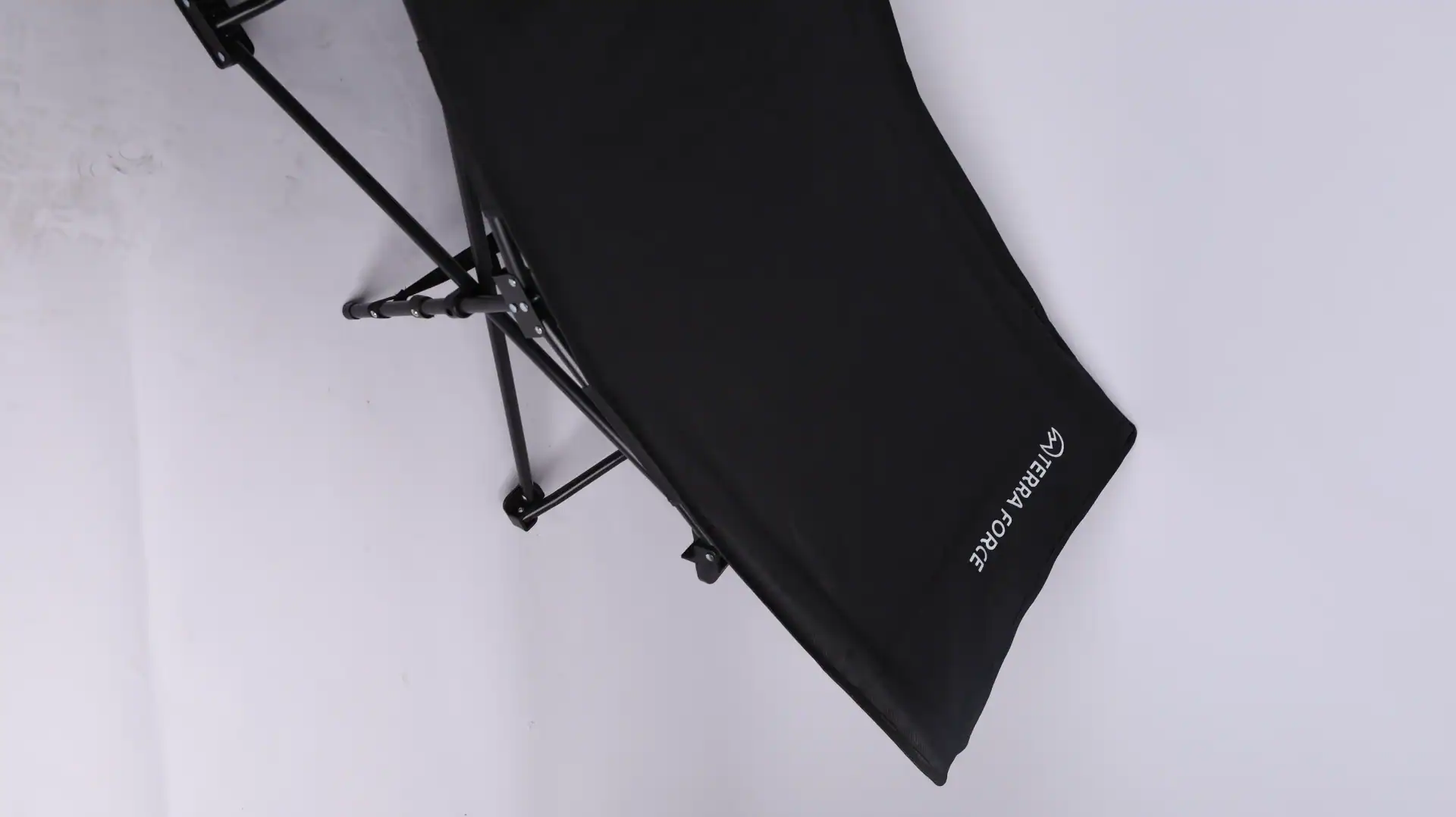
Frame Material Choices in Folding Wagon Manufacturing
Benchmark for your next inquiry: request a salt spray test report and heat-treated hinge pin spec on every wagon frame quote.
Why carbon steel dominates standard wagons
Carbon steel wins on cost per kilogram of payload in any frame material comparison. A typical steel-frame wagon rated at 150 kg costs less to build than an aluminum one rated for the same weight. That cost gap drives most standard catalog models.
The tube is rarely the first failure point in heavy daily use. Hinge pins and locking tabs deform before steel bends. When a supplier quotes a heavy-duty folding wagon payload of 150 kg, ask what steel grade those hinge pins use — standard non-heat-treated pins won’t survive repeated loading cycles.
- Demand tube wall thickness in writing in your specification sheet. Two wagons with identical outer diameters can differ in wall thickness, and that difference controls real-world payload capacity directly.
- Specify heat-treated steel hinge pins if the wagon will carry 150 kg loads daily. That joint sees the most stress and usually fails first.
- Ask for a salt spray test report on the powder coating. A 72-hour pass means the frame holds up in consumer use — the raw steel grade matters less than that finish.
- Expect only a 15–20 percent weight savings when matching steel payload ratings with aluminum framing.
- A slightly lighter frame cuts freight costs. It just doesn’t close the 30–40 percent price gap on the frame itself.
- Positioning: put aluminum in coastal and premium lines. Keep steel for high-volume, value-priced wagons.
One core factory in Jinhua builds frames this way: carbon steel or aluminum, payloads from 50 kg up past 200 kg. That facility runs ISO 9001 certification and turns out roughly one million units per year.
Aluminum makes sense when the product story demands lighter lift weight or beach-sand corrosion resistance. To hit a 150 kg steel-equivalent payload, you need a larger tube diameter. The result is usually 15–20 percent lighter but 30–40 percent more expensive.
That tradeoff limits aluminum to specific SKUs: premium beach wagons, golf carts, and models aimed at older buyers who struggle with steel weight. For general camping and tailgate use, steel preserves your margin — spend that saving on Ruedas, fabric thickness, or brake quality instead.Ruedas
| Característica | Carbon Steel | Aluminio | B2B Consideration |
|---|---|---|---|
| Grado del material | Q195/Q235 alloy steel tubing | 6061 aluminum alloy | Ask for material certificates when requesting OEM folding wagon frame specifications |
| Espesor de pared | 0.8–1.2 mm typical; heavier duty up to 1.5 mm | Must be increased to 1.5–2.0 mm to match steel payload | Folding wagon frame wall thickness is the first spec to lock down with your supplier |
| Capacidad de Carga | 100–200 kg depending on tube diameter; 150 kg common | 80–150 kg; matches steel only with larger tube diameter | Heavy duty folding wagon payload 150 kg is achievable in both, but aluminum requires more material |
| Frame Weight | Heavier; adds 2–4 kg to total wagon weight | 15–20% lighter than steel at matched payload | Lighter frame improves portability but rarely changes the consumer’s carrying experience |
| Resistencia a la corrosión | Rusts if powder coating is scratched or fails | Naturally rust-free; ideal for coastal and beach use | Best folding wagon frame for beach sand is aluminum, especially with stainless hardware |
| Surface Treatment | Powder coating is the real anti-corrosion layer; color options via custom powder coating | Powder coating or anodizing; anodized finishes are more scratch-resistant | Request a folding wagon powder coating salt spray test report before approving mass production |
| Hinge & Locking Parts | Hinge pins and locking tabs are the weak point, not the tube; specify heat-treated steel pins | Hinge pins still typically steel; ensure they are zinc-plated or stainless | Folding wagon hinge pin failure is a top warranty claim—specify heat-treated pins for daily heavy loads |
| Coste de fabricación | Lower material and welding cost; standard for entry and mid-tier wagons | 30–40% more expensive than steel at comparable payload | Carbon steel vs aluminum folding wagon frames decision is ultimately a price-versus-positioning trade-off |
| Shipping & Freight | Higher dimensional weight raises ocean and last-mile freight costs | Lower frame weight reduces folding wagon frame shipping weight cost per container | On large orders, aluminum can offset part of its premium through freight savings |
| Market Positioning | Value-oriented, rugged, mass-market; perceived as durable and heavy-duty | Premium, lightweight, corrosion-resistant; supports higher retail price points | Brand managers can use aluminum to justify a premium tier and differentiate from private-label competitors |
| Typical Use Cases | Campground transport, tailgating, garden and utility hauling | Beach trips, RV travel, urban commuting, and carry-into-store scenarios | Match frame material to your target consumer’s primary terrain and storage habits |

Carbon Steel Frames: Strength and Cost
The tube rarely fails first in a steel wagon.
Carbon steel frames dominate folding wagon production because the material delivers the most payload per dollar. Steel tube is cheap, welds clean, and behaves predictably under load. That’s why the Jinhua plant, which turns out about a million units a year under ISO 9001:2015 and CE certification, builds most of its wagons this way.
Tube gauge, wall thickness, and welding strength
Frame strength comes down to tube diameter, wall thickness, and weld penetration. Thicker walls raise the load rating, but they add shipping weight, so the spec has to follow the target capacity. A heavy-duty cart rated over 200 kg needs a much heavier tube than a compact 90L model.
Weld quality matters just as much. A weld with poor penetration lets go at the joint long before the tube bends. Check the cross-joints where the X-frame arms meet; every fold concentrates stress there. If a supplier won’t show you a weld cross-section from the pre-production sample, treat that as a red flag.
- Hinge pins: steel wagons often carry a 150 kg rating, but the tube isn’t the weak point. If the wagon takes heavy loads daily, specify heat-treated steel hinge pins.
- Locking tabs take the hardest beating in any folding wagon frame. These small stamped parts absorb impact every time the wagon collapses. Leave them in untreated steel and they bend. Then the wagon starts folding itself mid-transport.
Powder coating is the real anti-corrosion layer
On paper, raw steel grade looks like the key spec in any folding wagon frame material comparison. In practice, what’s on top matters more. A properly powder-coated steel frame shrugs off years of consumer exposure, while a thinly painted frame rusts within one season in coastal air. Ask the supplier for a salt spray test report. That document tells you more than any steel certificate.
Custom powder coating is a standard option from the partner factory, so corrosion protection and brand color land in the same pass. Don’t assume it ships standard. Write the coating spec into the production agreement.
Load capacity range and structural limits
Standard steel-frame load ratings sit between 100 kg and 200 kg. Heavy-duty builds cross 200 kg once tube diameter and folding wagon frame wall thickness scale up. The practical ceiling isn’t material strength, it’s the hinge mechanism. A wagon can hold 200 kg on flat ground and still fail when the load shifts against the locking tab mid-turn.
Steel’s real trade-off shows up in the field. A loaded steel wagon on sand pulls noticeably harder than its aluminum counterpart, and that comes back in the product reviews. Weight, not strength, is why aluminum exists in this category.
| Característica | Especificación | Ventaja | Nota de abastecimiento |
|---|---|---|---|
| Grado del material | Q195 / Q235 carbon steel tube | High tensile strength for heavy-duty payloads | Request mill certificates to verify grade |
| Tube Wall Thickness | 0.8 mm – 1.2 mm standard; 1.5 mm for heavy-duty | Directly determines load capacity up to 200 kg | Confirm gauge in OEM spec before tooling |
| Load Capacity Range | 100 – 200 kg depending on tube diameter | Handles coolers, camping gear, and children safely | Match payload rating to your target market |
| Welding Strength | TIG / MIG welded joints at stress points | Prevents frame separation under heavy loads | Inspect sample welds before producción en masa |
| Recubrimiento en polvo | Epoxy-polyester powder coat finish | The real anti-corrosion layer; matters more than raw steel grade | Ask supplier for a salt spray test report |
| Rust Resistance | 48 – 72 hour salt spray rating typical | Properly coated frames resist rust in most consumer use | Validate coating quality with test documentation |
| Hinge Pins & Locking Tabs | Heat-treated steel pins recommended | The weak point is the hinge, not the tube; heat-treated pins prevent failure | Specify heat-treated hinge pins for daily heavy loads |
| Weight vs Aluminum | 15 – 20% heavier than an equivalent aluminum frame | Lower material cost; higher shipping weight | Factor freight cost into total landed price |
| Cost Position | Lower material cost than aluminum frames | More affordable end product for value-driven retail lines | Ideal for mass-market wagons and promotional SKUs |
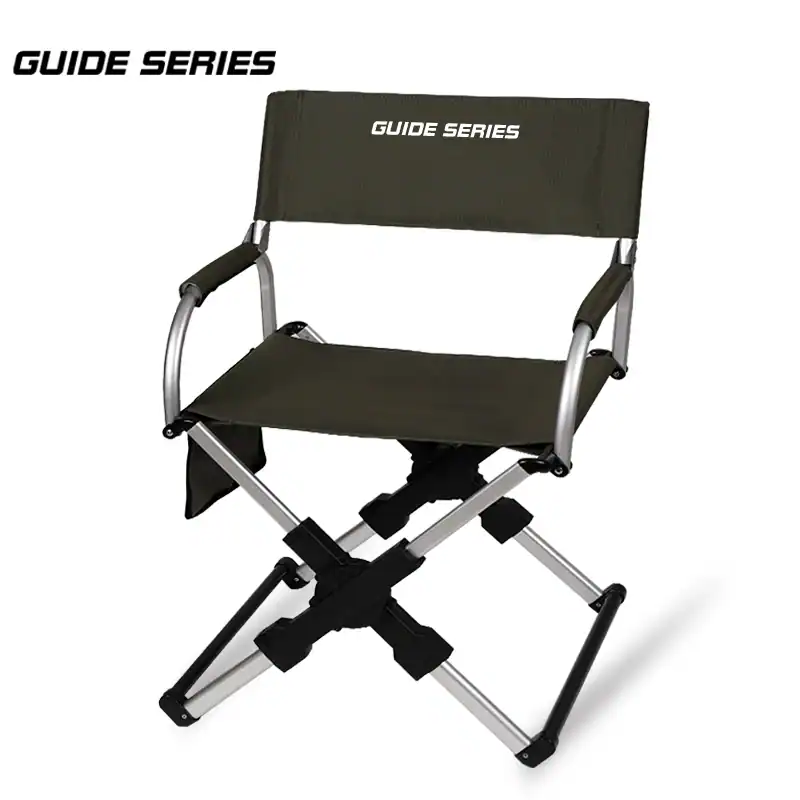
Aluminum Frames: Lightweight and Rust-Free
Aluminum without a tube-diameter bump loses payload.
Aluminum frames solve two problems steel never will: corrosion and the weight you lift into the trunk. Aluminum weighs roughly a third of carbon steel at the same volume, so a manufacturer that swaps materials without increasing tube diameter or wall thickness builds a wagon that flexes and fails under the same load. Treat aluminum as a redesign, not a substitution.
6061 Aluminum vs Alloy Steel
Start the spec with the folding wagon frame materials. 6061-T6 is the grade to insist on. The trekking-pole line in Kelyland’s supply chain already runs 6061 and 7075 tubing, so the partner network knows this alloy’s tempering and weld behavior. T6 temper gives predictable yield strength. That is what lets a thin-walled frame resist bending without adding weight.
Price reality on carbon steel vs aluminum folding wagon frames: an aluminum wagon that matches a steel wagon’s payload ends up only 15-20% lighter but 30-40% more expensive at the factory. That premium works for a beach-specific SKU or a premium line. It doesn’t work for a mass-market 150L wagon where unit price drives the margin.
Where Aluminum Earns the Premium
In any folding wagon frame material comparison, the weight gap hits where end-users feel it: lifting a folded wagon out of a car boot, dragging it over soft sand. Aluminum also removes the rust failure mode that kills steel frames once beach grit scratches the powder coat. For coastal use, no coating quality replaces a corrosion-proof frame.soft sandgrit scratches the powder coat
- Alloy & temper: require 6061-T6 written into the OEM folding wagon frame specifications. A supplier that lists only “aluminum frame” hasn’t finished the quote.6061-T6
- Payload method: ask whether the load rating comes from a larger tube diameter, a thicker wall, or both, then confirm the test protocol. The folding wagon frame wall thickness spec answers that.
- Hinge pins: the failure points on heavy-load wagons are the hinge pins and locking tabs, not the tube. Specify heat-treated pins on any 150 kg-rated model.
Kelyland’s Jinhua wagon factory produces a million folding wagons a year under ISO 9001. It powder-coats both carbon steel and aluminum frames in-house. A brand can add an aluminum 6061 frame to the same steel production line, test a premium SKU, and keep the same supplier and QC paperwork.carbon steelcarro plegable personalizado
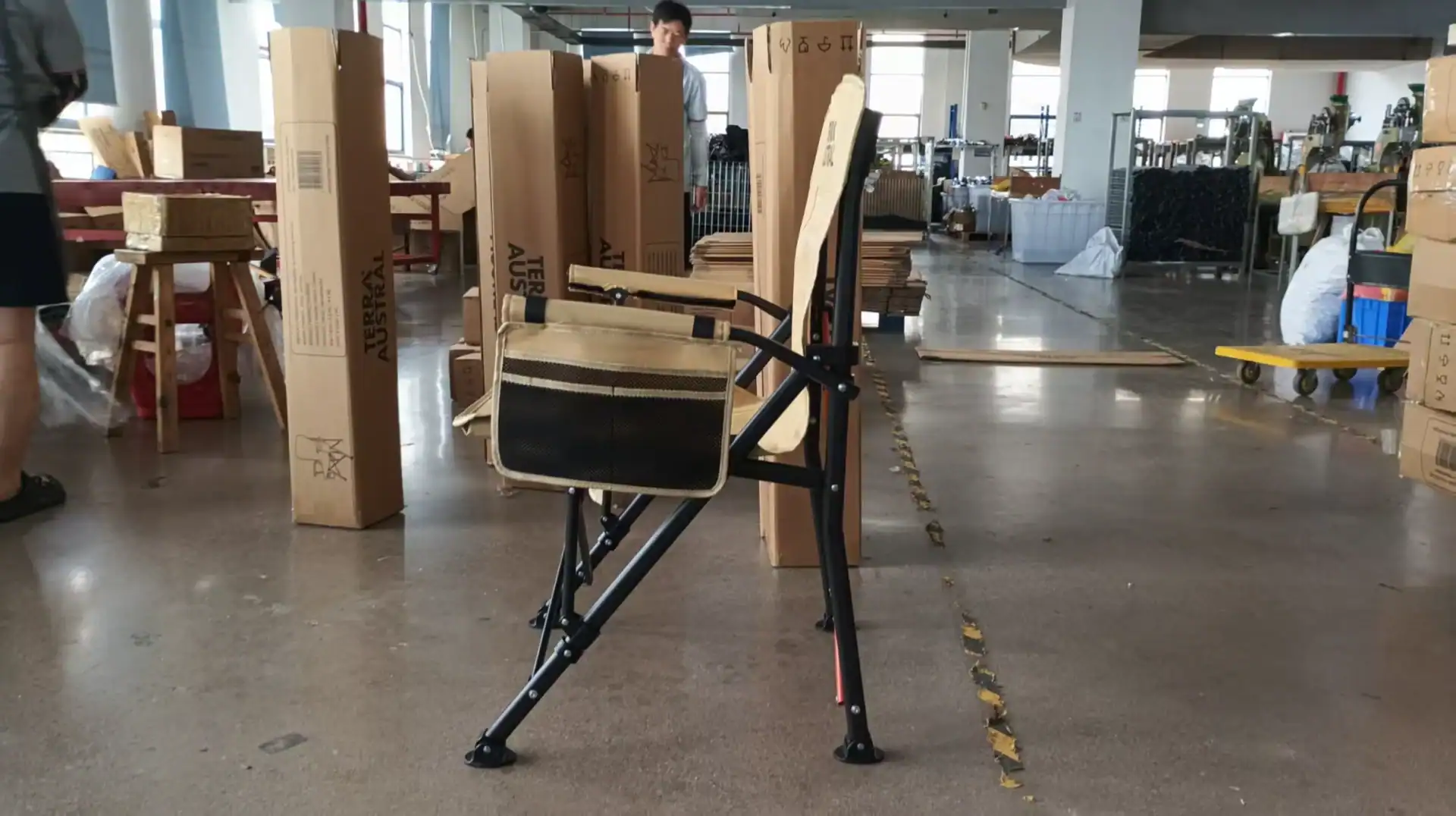
Direct Comparison: Weight, Payload, Price
For a 150L wagon, aluminum costs 30–40% more and saves only 15–20% of frame weight.
Take a 150L wagon. Carbon steel carries the rated load at the lowest cost. To hit the same payload rating in aluminum, you need a bigger tube diameter or thicker wall, and that added metal cancels part of the weight gain. Net effect: the aluminum frame comes in 15–20% lighter but costs 30–40% more.
Shipping weight and freight reality
Most buyers expect the lighter aluminum frame to slash freight bills. It doesn’t. A 150L wagon is mostly air. The folded cartons fill a 40HQ container before the gross weight ever becomes the limiting factor, so the actual freight saving from aluminum is far smaller than the 20% weight gap implies.
- Steel frames weigh more per wagon. Ocean freight is volume-limited, not weight-limited, here, so that heavier frame adds only a modest shipping cost.
- Aluminum helps the end user who lifts the wagon into a car. Freight savings stay capped because the folded volume doesn’t change.
- Steel frame wagons carry 100–200 kg. Aluminum can hit those numbers, but you need a larger tube diameter or thicker wall to get there — and that eats into the weight advantage.
- Steel frames need a quality powder coating. Ask the supplier for a salt spray test report. Aluminum doesn’t rust from the start, but thin anodizing scuffs easily and looks worn after a season.salt spray test report
- On a 150L wagon, aluminum frame pricing lands 30–40% higher than steel. That premium only makes sense if the brand story and surface finish support it.
Aluminum changes ownership. It lifts easier, survives saltwater beach trips without rust, and the anodized finish holds up. Steel reads as rugged value. A brand aimed at beach-goers picks aluminum; a brand selling max payload per dollar sticks with powder-coated carbon steel.
Kelyland’s folding wagon partner factory in Jinhua runs an ISO 9001:2015 line that produces 1,000,000 units annually. That scale matters because hinge pins and locking tabs — not the main tube — are where steel-frame wagons fail under daily heavy loads. Specify heat-treated steel hinge pins and request the coating test report before approving the sample.
| Atributo | Carbon Steel Frame | Aluminum Frame (6061) | Buyer Note |
|---|---|---|---|
| Material del marco | Q195/Q235 carbon steel tube, powder-coated | 6061 aluminum alloy tube, anodized or powder-coated | 6061 offers better corrosion resistance but costs more per kg |
| Typical Weight (150L wagon) | 12.5–14.5 kg (frame + fabric) | 10.0–12.0 kg (frame + fabric) | Aluminum is ~15–20% lighter, not 50% lighter, due to thicker tube walls |
| Payload Rating | 100–150 kg standard; up to 200 kg with larger tube diameter | 80–120 kg standard; up to 150 kg when tube diameter is increased | Aluminum only matches steel payload ratings when wall thickness or tube diameter is increased |
| Relative Unit Price (FOB) | Baseline (index = 1.0) | 30–40% higher than an equivalent steel frame | The aluminum premium is justified mainly for beach markets or premium retail positioning |
| Anti-Corrosion Performance | Depends on powder coating quality; ask for a salt spray test report | Naturally rust-free; resists salt and humidity without extra coating | For beach sand and coastal use, aluminum is the best folding wagon frame material choice |
| Shipping Weight & Freight Cost | Higher freight cost per container due to added weight | Saves ~1.5–2.5 kg per wagon, lowering landed cost per unit | Folding wagon frame shipping weight cost matters most for high-volume importers |
| Consumer-Perceived Quality | Heavier, feels sturdy; standard at mass retail | Lighter to lift, premium feel, supports a higher price point | Position aluminum as a premium SKU; keep steel for value-driven lineups |
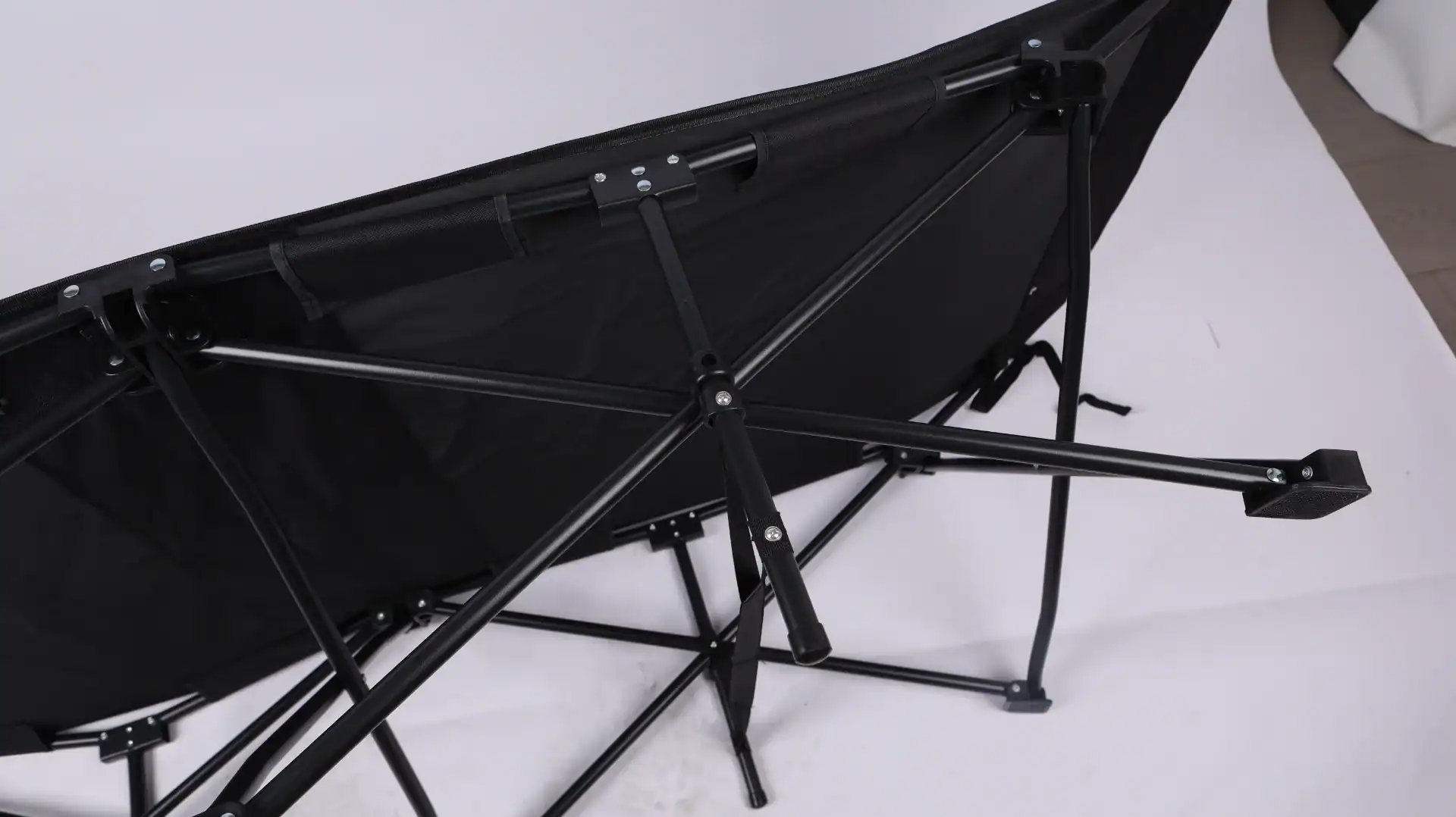
Frame Construction and Folding Mechanisms
The tube is not the weak point — hinge pins, locking tabs, and weld joints fail first.
Frame material gets the attention, but the folding mechanism is where wagons actually fail. A 150 kg payload rating means nothing when a hinge pin shears on the third trip to the beach. Kelyland’s Jinhua partner factory treats locking hardware as a structural component, not an afterthought — they produce a million units yearly under CE and ISO 9001 certification.
X-Frame, Multi-Fold, and Telescoping Handles
The classic X-frame uses one pivot point. Simple and strong. Multi-fold designs add secondary hinges for a smaller pack size, but every extra joint becomes another wear point. Telescoping push handles cause the most problems: the sliding assembly carries the same load as the main frame, with more moving parts and tighter tolerances.
A 200L wagon sitting at a fixed campsite can handle a complex folding mechanism. A 90L beach wagon dragged through loose sand needs fewer joints, not more.
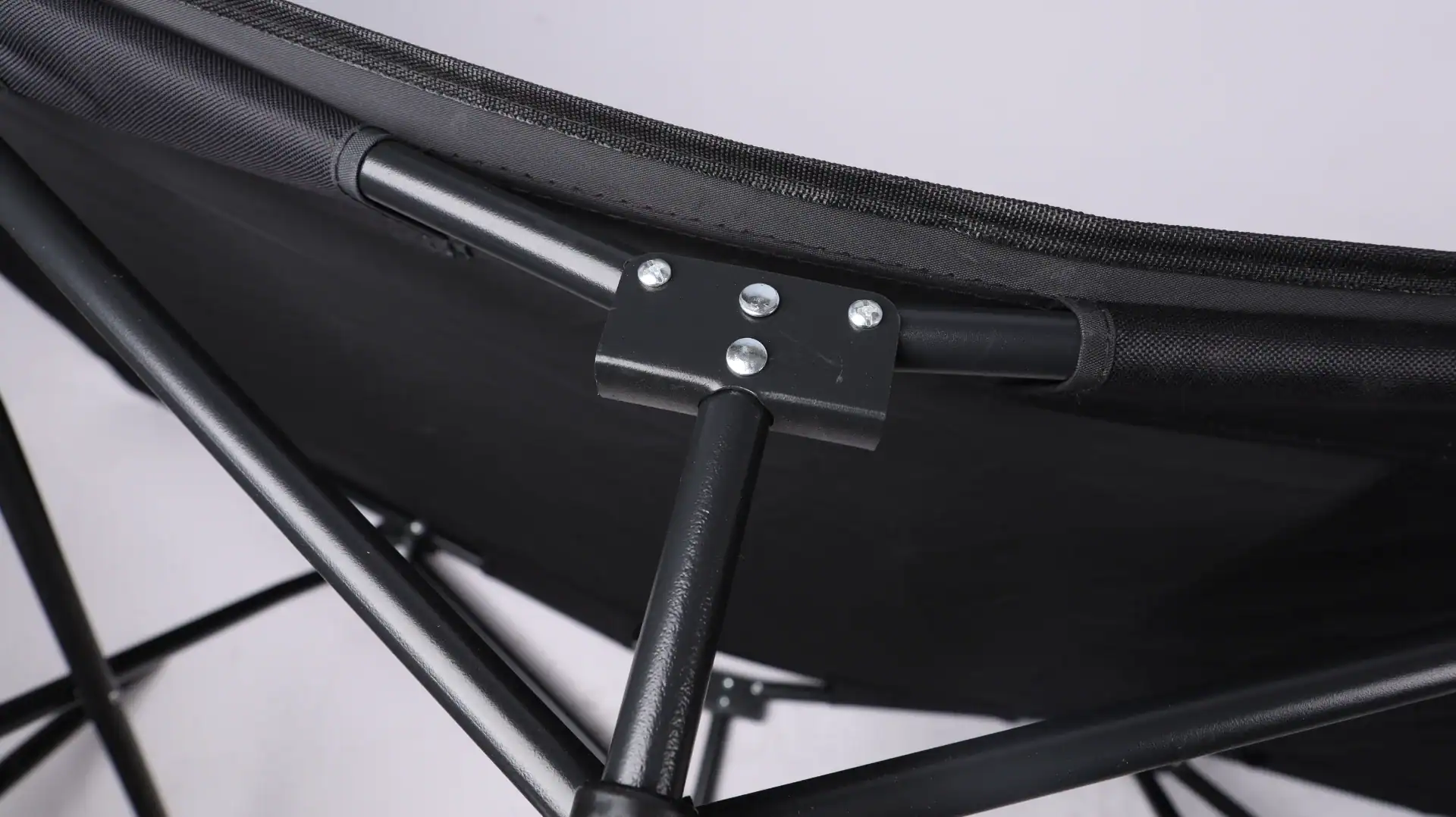
Hinge Pins and Locking Tabs: The Real Stress Points
- Steel wagons rated at 150 kg typically fail at the hinge pin, not the frame tube. If you’re running daily heavy loads, specify heat-treated steel hinge pins — they resist shearing far better than standard cold-rolled ones.
- Locking tabs hold the frame open. Check the production sample for hairline cracks after repeated locking cycles. A cracked tab can let the wagon collapse unexpectedly under load.
- Ask for a cross-section cut from the weld joint on your sample. A smooth surface bead can hide a weld that only bites into one tube wall. Full penetration at the joint is what actually carries the load.
Spotting Weld Failures Before Mass Production
During pre-production inspection, put the sample on uneven ground, load it above rated capacity, then fold and unfold it multiple times while watching the weld joints. Paint cracking in the heat-affected zone is the first visible sign of metal fatigue.
A certified manufacturer keeps weld inspection records for each batch. The ISO 9001 folding wagon factory in Kelyland’s network documents these checks at every stage — ask to see records tied to your actual order number, not a generic sample report.
How to Specify Frame Requirements for Your OEM Partner
A 150 kg payload rating means nothing if the hinge pins are soft steel.
Most custom folding wagon specs stop at “steel frame.” That phrase leaves too much room for interpretation. Tube wall thickness, hinge pin hardness, frame material, and coating quality decide whether your wagon survives one season or five. Put numbers on each of those before you send the RFQ.
Ask for Tube Wall Thickness and Material Certificates
Start with wall thickness. The tube alloy matters, but without a minimum wall thickness, a “steel frame” can be too thin to handle real loads. Put the exact millimeter value in your spec, and verify it with a caliper on the pre-production sample.
On a heavy-duty wagon rated near 150 kg, the weak point is usually not the tube — it’s the hinge pins and locking tabs. Specify heat-treated steel hinge pins if your customers will load it daily.
- Wall thickness: Include a minimum tube wall thickness in the spec and confirm it on the sample.
- Material certificate: Request the mill certificate for the steel lot, not just a general ISO statement.
- Hinge pins: Specify heat-treated steel pins for heavy-duty models.
The folding wagon factory Kelyland works with in Jinhua has been running since 2017 with ISO 9001 certification. They’ll share material documentation if you ask. Any supplier that hesitates on that request — walk.
Testing Protocol: Static Load, Dynamic Rolling, Handle Push Force
A static load test tells you if the tube bends. It won’t tell you whether the frame survives a gravel path or getting dropped off a curb.
Set a testing protocol on the pre-production sample: static load at your rated payload, dynamic rolling over uneven ground, and a handle push force test to catch weld failures and hinge pin fatigue. Lock pass/fail criteria into the production agreement so “we tested it” means something specific.
Custom Powder Coating Colors and Anodizing Options
Powder coating quality matters more than the steel grade itself. A properly coated frame resists rust through most consumer use cycles. Ask for a salt spray test report before you approve the finish.
Anodizing gives aluminum frames better corrosion resistance but changes the surface tone slightly. If you want a custom anodized color, confirm the factory’s color-matching capability on the sample first.
For beach camping product lines, push the spec harder. Sand and saltwater eat through thin coatings fast. Specify an anodized aluminum frame or a heavier powder coat layer. Kelyland’s wagon factory network offers custom powder coating as a standard option on production runs, which lets you lock a brand color without running a separate batch.
Conclusión
A steel frame rated for 100-200 kg is only as good as its hinge pins and locking tabs. Skip those during sample approval, and the first container’s return rate tells you what you missed. Aluminum frames with larger tube diameters can match that payload, but you pay 30-40% more to save 15-20% of the empty weight.la aprobación de la muestra
- Specify heat-treated steel hinge pins. A high tube rating doesn’t matter if the folding joint fails first.
- Aluminum frames hit the same payloads as steel only when you bump up the tube diameter. Expect a 30-40% price premium for a 15-20% weight reduction.
- Ask for a salt spray test report before you approve samples. The powder coating quality determines corrosion resistance far more than the raw steel grade does.
- Lock in tube wall thickness and hinge pin specs during sample approval. Once mass production starts, the design is frozen.
Put every requirement in writing before you commit to a custom frame spec: tube wall thickness, hinge pin heat treatment, and a salt spray test report from each supplier. Compare those numbers against your target payload and shipping weight, then review the folding wagon frame options on the Kelyland product page to see which configuration fits your budget.
Preguntas frecuentes
¿Qué marco es mejor para cargas pesadas?
Los marcos de acero al carbono soportan 100-200 kg dependiendo del diámetro del tubo y el espesor de la pared. El aluminio solo puede igualarlo si se aumenta el espesor de la pared, lo que eleva el costo y reduce la ventaja de peso. Elija acero a menos que la ligereza sea imprescindible.
¿Cuánto más ligero es un bastidor de vagón de aluminio?
Aluminum frames are roughly one-third to half the weight of steel, but the exact saving depends on tube gauge and design. You trade payload capacity unless wall thickness is increased. Verify the weight saving against your payload spec.
Why is powder coating important on steel frames?
Powder coating is the real anti-corrosion layer on carbon steel frames, not the steel itself. If it chips, rust starts quickly, so specify salt spray test reports before mass production. Ask for salt spray reports before approving samples.
What should I specify for OEM wagon frame?
Ask for tube wall thickness, material certificates, and salt spray test reports. Add static load, dynamic rolling, and hinge heat-treatment checks before mass production. Put all specs in the production agreement.
Does aluminum rust?
Aluminum does not rust like steel, but it can oxidize and is softer. If you keep the same diameter as steel, expect a lower load capacity, so spec a tube-diameter bump for heavy-duty use. Spec the diameter bump when sourcing aluminum frames.

 English
  Español
  Deutsch
  Français
  Português do Brasil
  Русский
  العربية
  한국어
한국어  日本語
日本語