 跳到内容
跳到内容 
命中章節 1/6。
問題示例:Vent Engineering: The Five Physical Fixes(降級模式)
請先修復模型鏈路或重跑生成,再繼續發布。
豪華露營帳篷的結露對策,很少會在 樣品批准檢查清單 買家簽下$50,000美元、40頂貝爾帳篷的訂單之前被列入。量產前樣品在展廳燈光下看起來完美無瑕:帆布緊繃、縫線整齊,已可登上目錄。但量產品在潮濕河畔草地上度過三晚後,表現截然不同。溫暖的睡眠呼吸空氣接觸到冰冷的布料,水珠沿著內部縫線凝結,然後滴落在羽絨被上。.
貝爾帳篷內部的結露並非縫製不良,而是物理問題。潮濕的室內空氣一接觸到冰冷的單層表面便達到露點。因此,解決方案必須在量產開始前就納入帆布規格、通風佈局和品質容差中。那些追求 最低FOB價格 的買家,往往會發現工廠為了每頂帳篷省下八十美分而降低了通風網布的等級。而正是這八十美分,把寧靜的夜晚變成了一封退款申請。.
把這個基準帶進你下一次與供應商的通話中。豪華露營帳篷需要約占地面積2%的可開啟通風面積,才能在潮濕的夜間條件下控制結露。低於這個數字,無論帆布宣稱多麼透氣,水分都會累積。如果工廠無法在技術文件中確認這個數字,那麼豪華露營帳篷的結露對策就只是碰天氣運氣。.
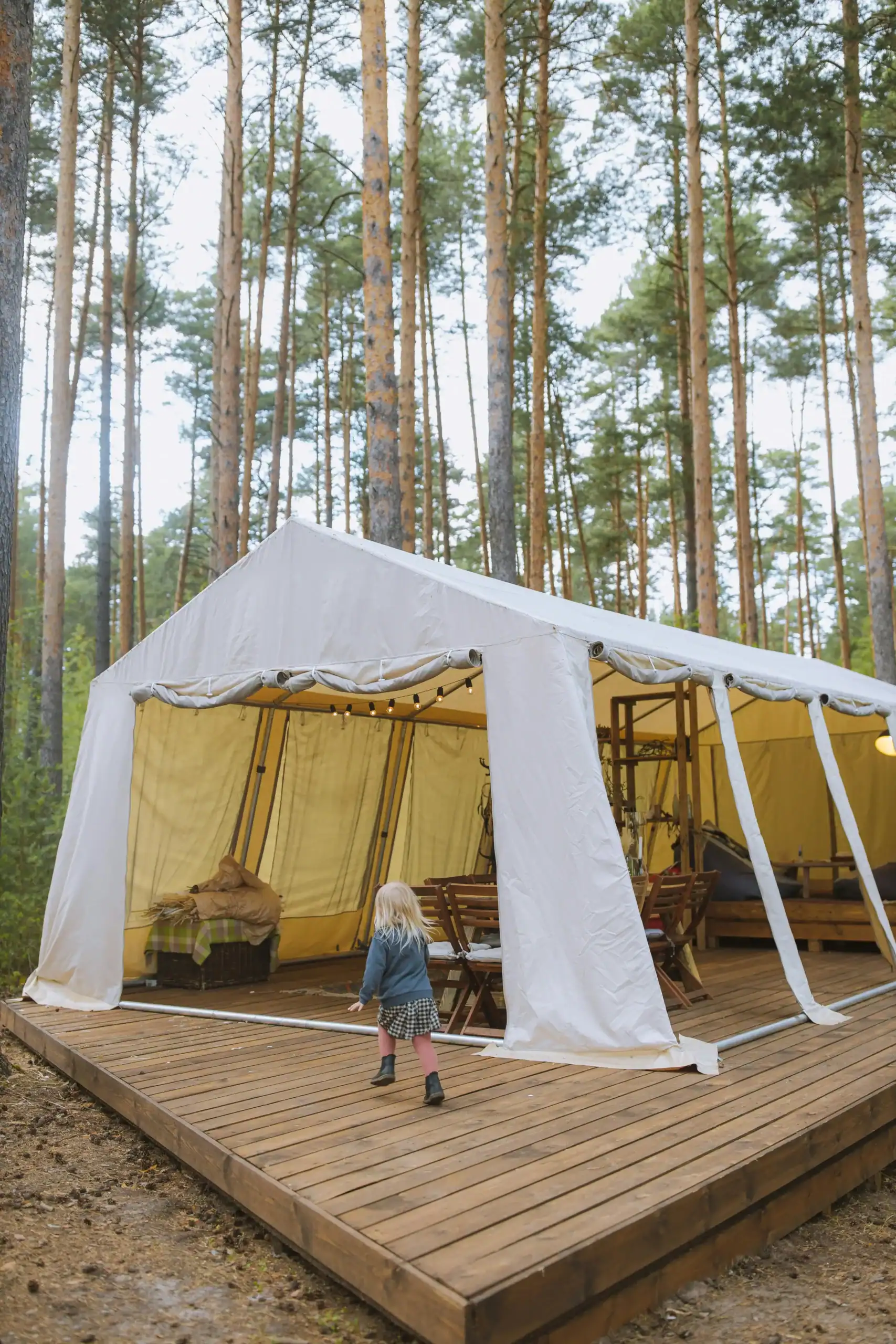
為什麼天花板上的水不是漏水
3,000mmのPUフライが雨を防ぎます。.
晴れた寒い夜、グランピング事業者がベルテントに入ると、天井に水滴が付着しているのを見つけます。最初の連絡はいつも同じです。「フライが雨漏りした」と。しかし、コーティングをはがして耐水圧を確認すれば、仕様は通常問題ありません。生地が漏れたのではなく、テント内の空気が結露したのです。.
露点の物理学:隠れた原因
暖かい空気は冷たい空気よりも多くの水分を含みます。滞在者は一晩中湿った空気を吐き出し、雨を防ぐ密閉されたテントにはその水蒸気の逃げ場がありません。暖かく湿った空気が冷たいフライに達すると、露点以下に冷やされて液体になります。8°Cの夜、換気のないシングルウォールのグランピングテント内部は、20分足らずで結露点に達することがあります。.
コーティングの罠
Kelylandの中核工場ネットワーク内にある紹興グランピングテント工場(ISO 9001:2015の下で年間約30万張のテントを生産)では、サンプル承認書にPUコーティングの耐水圧が記録されています。通常、透湿度は記録されません。その書類上の盲点があるため、結露に関する苦情はサンプリング段階を通過し、料金を支払うゲストにまで届いてしまうのです。ベルテントのOEM向け結露対策には、仕様書にその2番目の数値が必要です。.
レンタル事業への影響
- 乾燥の負担:グランピングテントの結露を、回転率を損なう前に止めましょう。一晩で結露するシングルウォールテントは、次の予約の前に丸一日の換気が必要です。それを省略すると、連続レンタルで内部が湿気、寝具がカビ臭くなり、カビの発生が加速します。.
- レビューのリスク:「天井からベッドに水が滴り落ちた。」ゲストはそれを雨漏りと読み取ります。彼らは、 露点 が何かを知らず、気にもしません。そのレビューは生地の仕様ではなく、施設に付きまといます。.
- 保証紛争:テントメーカーは結露を製造上の欠陥ではなく環境要因に分類します。工場が補償してくれるとは期待しないでください。書面による結露管理仕様がなければ、レンタル事業者は再換気・清掃・早期交換のコストを負担することになります。.
グランピングテントの場合、結露の修正は決してより高い耐水圧ではありません。その数値は生地がどれだけ雨を弾くかを示しますが、結露は水分を内側から外側へ押し出します。実際の対策は、通気口の配置、インナーテントの設計、そしてテントが実際に使用される気候に合わせて透湿性を選んだフライ生地です。雨仕様だけでなく、生地の透湿性比較を実施し、通気口レイアウトをサンプル承認に組み込んだバイヤーは、乾いた状態で目覚めるゲストを得られます。それが次の注文で重要な仕様です。.
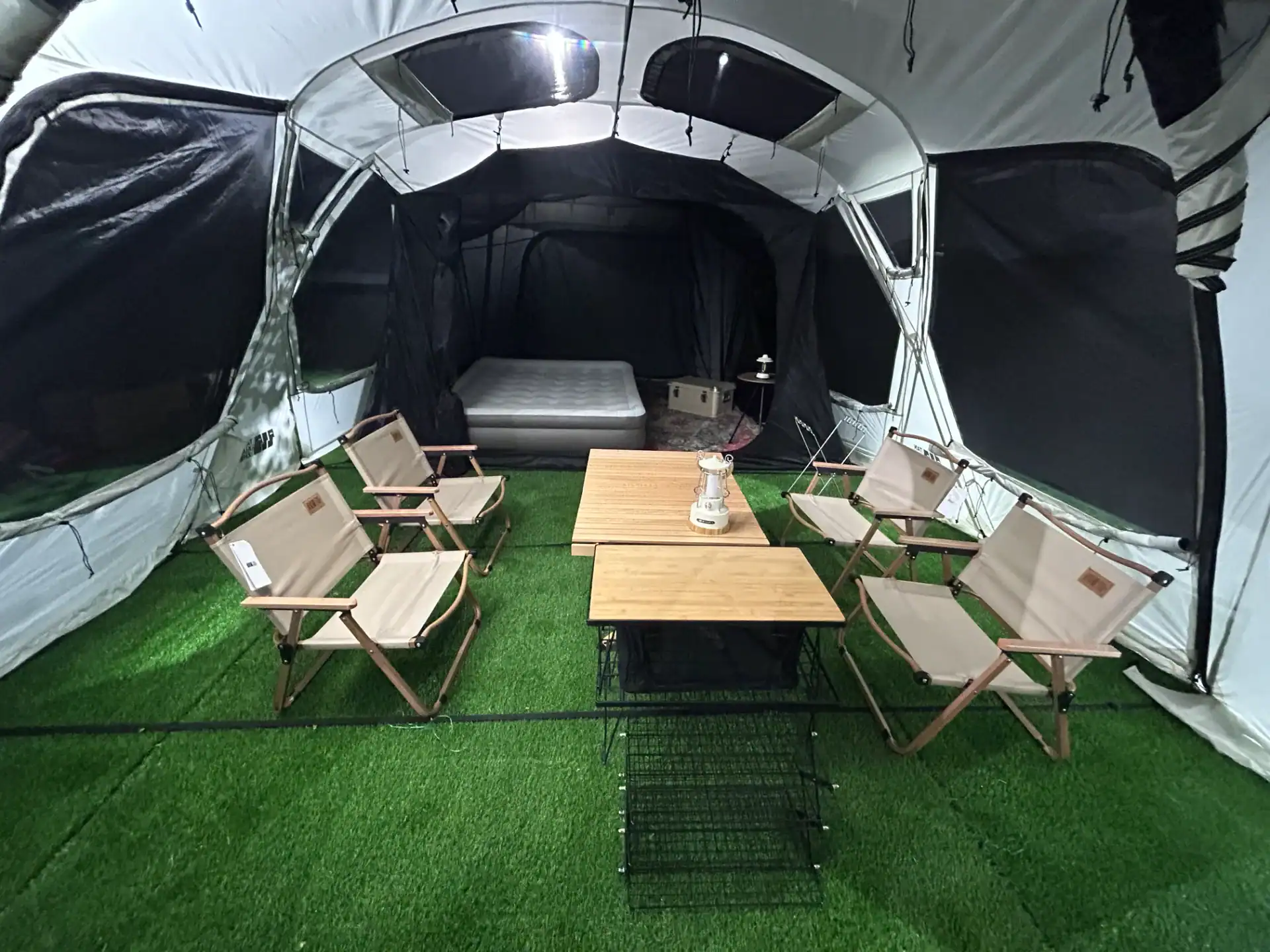
布料對策:聚棉混紡 vs 塗層聚酯纖維
シングルウォールテントでは、防水性能よりも透湿性の数値の方が重要ですが、ほとんどのサプライヤーはそれを自ら明かすことはありません。.
2つのベルテントが並んでいます。同じシルエット、同じジッパートラック、同様のFOB価格。違いが現れるのは、涼しく湿った夜に2人が中にいる時だけです。一方の壁は乾いたままです。もう一方は天井に結露がたまり、夜明けまでに寝袋に滴り落ちます。.
その結果は、 生地選定の段階で, 、テントが縫製ラインに届くずっと前に決定づけられました。OEMベルテントの場合、結露対策は最初のゲストレビューではなく、書面による仕様書に含まれるべきです。.
体感できる透湿性のギャップ
無コートのポリコットンTC生地の透湿性は500〜800 g/m²/24hです。PUコートのポリエステルは100〜300 g/m²/24hまで低下します。シングルウォールテントでは、この差が結露が天井に水滴となるか、寝袋に染み込むかを左右します。.
コーティングされたポリエステルの壁は、湿気を最も冷たい内部表面、通常は寝ている人の頭上にある天井に押し付けます。TC生地は織り目から蒸気を逃がすため、ベントを一つも開けなくても内部をより乾燥した状態に保ちます。.
工場のコーティング選択が重要な理由
コーティングは素材のアップグレードではなく、製造上の選択です。工場はPUを塗布して、次の 静水圧ヘッド 仕様(1500mm、3000mm、または5000mm)を満たします。各層は湿気の移動を減らします。.
- 両方の数値を尋ねてください:MVTR(g/m²/24h)と 静水圧ヘッド mm(同じスウォッチでテスト)を。コーティング生地の透湿性試験レポートがない場合は、それを危険信号として扱ってください。.
- トレードオフ:5000mmのPUコーティングされたフライシートは雨を防ぎますが、内部に湿気を閉じ込めます。2人と薪ストーブがいるグランピングテントでは、ストーブが冷めた瞬間に閉じ込められた蒸気が結露します。.
シングルウォールとダブルウォールのトレードオフ
ダブルウォールテントはコーティングされたポリエステルを使用します。内側の通気性のあるライニングが就寝者を結露ゾーンから遠ざけるからです。フライシートは滴り落ちますが、インナーテントは乾いたままです。シングルウォールデザイン(ベルテント、ユルト、ホットテント)には緩衝材がありません。ファブリック自体が呼吸をする必要があります。.
シングルウォールのベルテントの場合、実用的な仕様は210gsmです。その数値をすべてのサンプル依頼に記載してください。.
換気エンジニアリング:物理的修正の5つのポイント
通気口を閉めると、結露は次のことに帰着します。 ファブリックの通気性. Coated polyester blocks rain but traps vapor inside. Cotton and TC blends let moisture pass through the weave, so they stay drier overnight. Nylon packs light, yet you have to coat it for weather, and that coating puts the vapor problem right back. Settle the fabric before you design the vents.
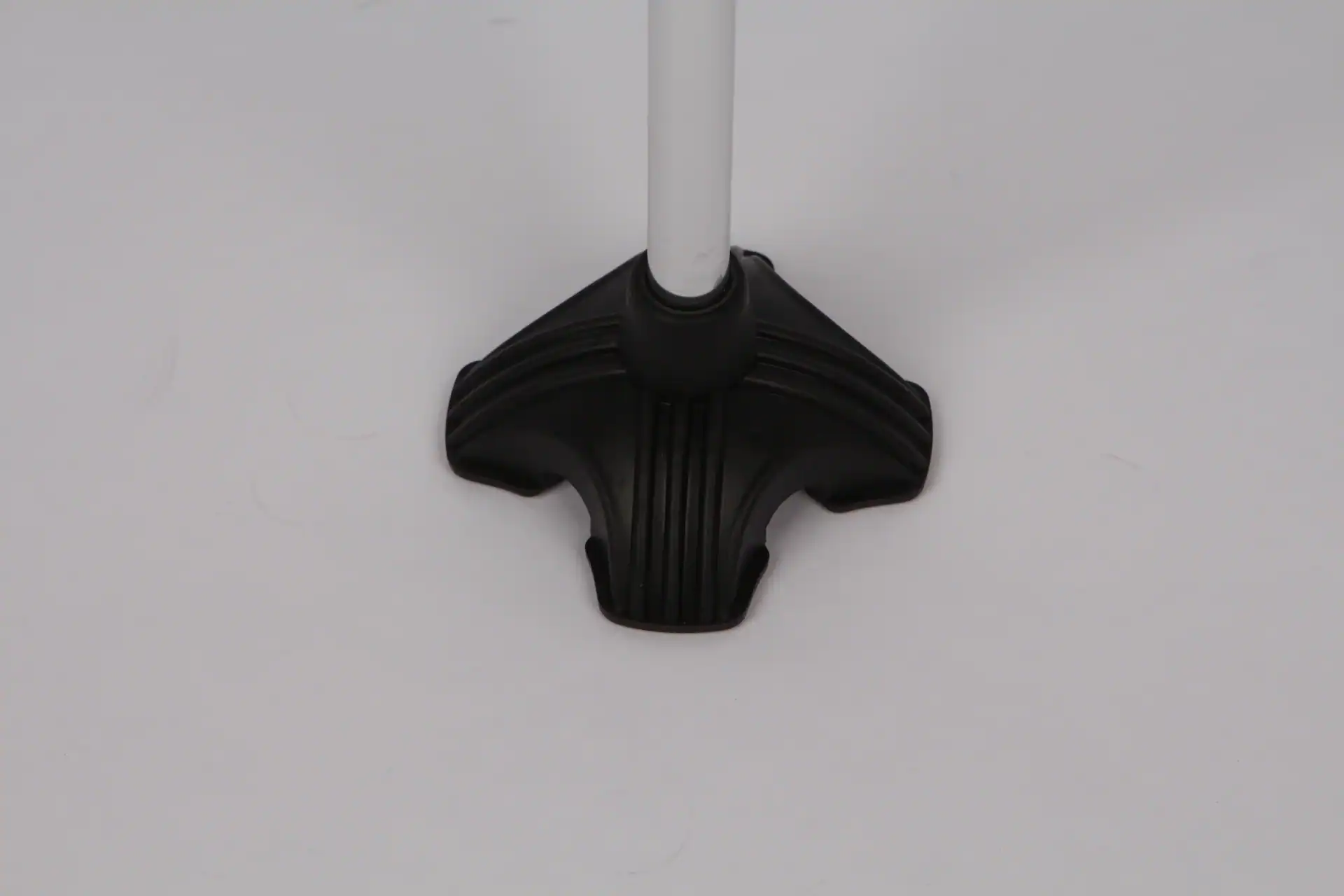
工場の換気設備
Forget more mesh — five production modifications create the controlled airflow path that actually works.
Most buyers ask for more mesh when a tent feels stuffy. Mesh is not the fix. Extra vent panels still trap humid air if the design has no defined entrance and exit path. Directional ventilation comes down to five production changes: a roof opening, a lower mesh kick screen, a suspended inner mesh layer, TPU film patching, and sealed perforations at the seam lines. Sample approval locks those five into the written sewing instructions.
The Five Modifications That Redirect Airflow
- Roof opening: Cut at the highest point of the tent body so hot, humid air exits at the peak. The edge gets a rolled hem and a reinforcing stitch. A raw cut fails after repeated pack-and-unpack cycles.
- Mesh kick screen: Install it on the lower door or foot wall. It pulls cool air in at floor level without putting a draft across the sleeping zone. Standard production runs of 300-1,000 pieces handle this height change without a new pattern.
- Suspended mesh layer: Hang an inner panel below the roof opening so it catches condensation drips before they reach the sleeping bag. Heat still escapes through the top. This layer adds one internal seam line, so it goes into the written sewing instructions, not just the design sketch.
- TPU film patching works where mesh gets removed but the fabric panel stays. The film seals the stitch rows and keeps the waterproof rating intact. Tolerance here is tight. The patch has to sit flat, with zero lifting at the edges.
- Taping perforations: every needle hole around the roof opening and kick screen gets 1. シームテープ. A single hole is nearly invisible. The combined leak path shows up in the first rain. The tape must cover the full stitch row, clean, no bubbles, no wrinkles.
None of these five modifications happen on a standard assembly line. If the sample approval doesn’t carry a revised sewing instruction, the production team defaults to the existing vent pattern. Kelyland’s Camping Tent & Tarp factory in Ningbo, Zhejiang, handles this through an ISO 9001:2015 workflow. The change gets documented in the work instructions, a mid-production inspection verifies the stitch placement, and the 30-45 day production lead time stays intact. Small custom runs, some starting at 50-100 pieces, get the same treatment as bulk orders.
The Benchmark for Your Next Supplier Call
Ask the supplier for a smoke-pen test video at sample approval. The clip should show air entering through the lower kick screen and exiting through the roof opening in one visible path. No video, no proof. The ventilation spec stays unverified, no matter how many square meters of mesh the quote lists. The test takes five minutes and beats any material spec sheet.
結論
Condensation control is a system of airflow, seam sealing, and pitch tension, not a single fabric spec. A tent that can’t breathe will drip on bedding, no matter how good the FOB pricing looked at the quote stage. In a 12-week rental season, skipping these checks means guest-facing failures by week three. The replacement bill never appears in the original quote.
- Specify a vented peak and a seam-taped canopy in the sample approval, not just the floor material.
- Before you release the first production run, lock down the stitching tolerance and seam tape spec in writing. If you don’t, the line will drift by 3–5 mm by day three — and that’s where condensation paths start forming inside the tent. A 0.5 mm gap in the seam tape is enough to create a moisture bridge.
- Pitch the tent under full tension for the pre-shipment inspection. A sagging panel traps still air, and still air breeds condensation. That’s the quickest way to know if your factory actually tensioned the canvas or just stuffed it in a bag.
Before you sign the next bell tent PO, sit down with your supplier and run through the condensation checklist — not over email, face-to-face. Ask for the fabric’s MVTR (moisture vapor transmission rate) in writing, not just a “breathable cotton” label. Then compare FOB pricing from two factories that build the same vented canvas construction. Last step: inspect your existing rental tents at the seams and peak vent. That one hour of field work tells you which supplier actually controls moisture, and which one just cuts canvas.

 English
  Español
  Deutsch
  Français
  Português do Brasil
  Русский
  العربية
  한국어
한국어  日本語
日本語