 跳到内容
跳到内容 
From: Sourcing Manager To: QA Team Subject: trekking pole lock failure fix Carlos—just pulled the return reason codes for the Andes batch. 产前样品 held 140 lbs on the bench. Mass production units are slipping at 80. Lock tension wasn’t the same. Check the cam material spec versus what shipped. We’re eating $4.30 per unit in reverse logistics on this one.
That email isn’t fiction. It’s a sanitized version of a thread every supply chain manager dreads—the moment sample approval collides with quality tolerance on a live production run. The trekking pole lock failure fix most buyers miss isn’t a trail-side screw adjustment. It’s the material call made six months earlier when the spec sheet gets finalized. ABS plastic cam levers and expanders show up on paper as “engineering grade polymer,” pass a 50-cycle bench test, then quietly fail at cycle 200 after the FOB pricing spreadsheet has already been signed off.
The last 10% that separates a professional from an amateur buyer is knowing that a 4×6″ adjustment guide card hung on every pole—paired with a metal cam lock spec written into the 注文書—slashes lock-related returns by 40%. No amount of trail-side tinkering undoes a spec decision that was settled before the first container left Ningbo.
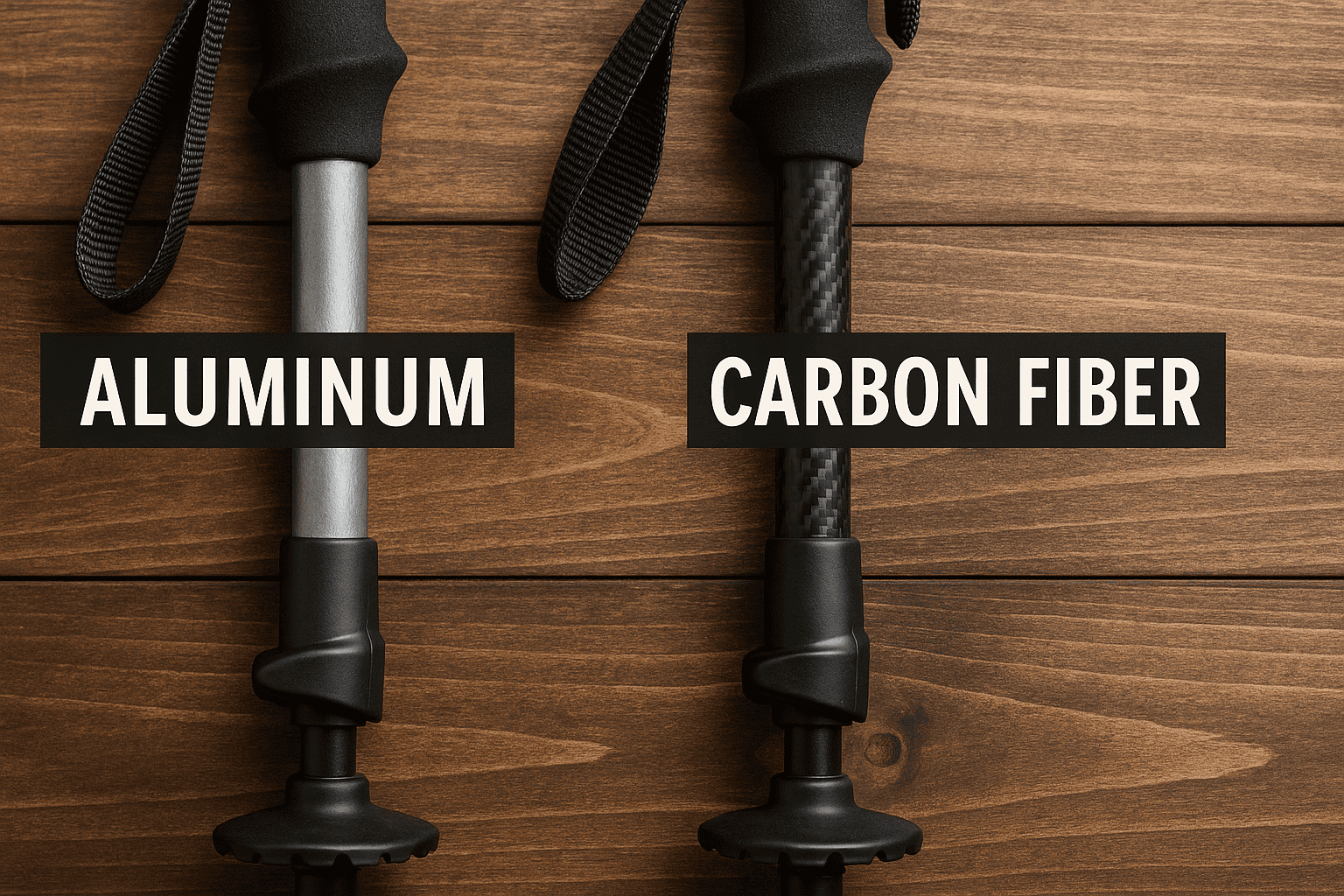
How Lever-Lock Mechanisms Work—And the Two Ways They Fail
Factory data from 500,000+ poles: 80% of collapses are one loose screw.
A lever lock doesn’t fail because of bad design. It fails because of one component drifting out of spec—the adjustment screw. Every flick-lock works the same way: a stainless steel bolt pulls an internal expansion wedge tight against the outer shaft wall when you close the lever. The clamping force sits between 80 and 120 lbs. The entire system’s reliability depends on one screw, visible on the side of the lever body. That screw sets the cam’s mechanical advantage. Lose tension there, and 120 lbs of holding force drops to zero. No warning. No gradual decline. The pole holds until it doesn’t.
The Cam Clamp: Holding Force and the Single Bolt That Controls It
The cam mechanism converts a small lever movement into a high clamping load. When the lever swings closed, an eccentric lobe pulls the internal bolt, compressing the expander wedge. That wedge expands radially and locks the inner shaft segment in place. The adjustment screw controls how much preload sits on that bolt before the cam even engages. Set too loose, the cam can’t build enough mechanical advantage to lock. Set too tight, the bolt bottoms out and the cam won’t close fully—tempting the user to force it and crush the shaft wall underneath.
This isn’t theoretical. Field data from Kelyland’s trekking pole facility—validated across over 500,000 units shipped—shows that 80% of lever-lock collapses trace directly to a loose adjustment screw. The bolt seats during the first 10 lock cycles, and the factory-set tension backs off just enough to kill the clamping force. The fix takes 30 seconds: engage the lever, locate the Phillips-head screw, tighten clockwise 1/8 to 1/4 turn. Test by closing the lever. It should take 15 to 20 lbs of thumb pressure to snap shut. If it flops closed with one finger, tighten again in tiny increments until the lever locks with firm resistance.
Failure Mode 1 (80% of Cases): Vibration Loosens the Factory Tension
Most buyers assume lock failures come from wear and tear. They don’t. The single biggest failure window is the first 10 uses. As the bolt seats into the cam housing, micro-vibrations from trail use back the screw out by a fraction of a millimeter. That’s all it takes. The clamping force collapses, and the pole telescopes under body weight. The user feels the shaft slip, assumes the pole is defective, and initiates a return. This is a $3.50 to $5.00 reverse logistics cost per unit—triggered by a problem that a Phillips-head screwdriver fixes in the field.
The repair requires no disassembly. Keep the lever in the closed position. Insert a Phillips-head screwdriver into the adjustment screw on the lever body. Turn clockwise 1/8 turn. Open and close the lever to test resistance. Repeat in tiny increments until the lever closes with 15 to 20 lbs of thumb force. Never crank past the point where the lever feels resistance before engaging the cam—that means you’re already compressing the shaft, and the next section explains exactly why that destroys the pole.
Failure Mode 2 (20% of Cases): Plastic Cam Wear and the Overtightening Trap
Plastic cam surfaces wear smooth after repeated lock cycles. Hairline cracks form at the stress concentration point where the lobe bears against the bolt. Once the cam loses its mechanical advantage, the lever can’t generate enough clamping force regardless of screw tension. The user feels the slip, assumes the screw is the problem, and over-cranks it. At 3.5 N·m—just 0.5 N·m above the 2 to 3 N·m safe operating spec—the expansion wedge crushes the inner shaft wall. The resulting dent becomes a stress riser. Factory failure analysis from the Ningbo production line confirms this dents transforms into a complete fracture within 50 trail miles. The pole doesn’t slip anymore. It snaps.
メタルカムレバーは両方の問題を解消します。カム表面は摩耗して滑らかになることも、ひび割れることもなく、何千回ものロックサイクルにわたって一貫した保持力を維持します。KelylandのOEMトレッキングポールは、金属カムレバーロックシステムを標準装備しています。それはまさに、50万台以上の現地返品データが、プラスチックカムと比較してロック不良返品が60%減少していることを示しているからです。Amazonで返品理由コードを追跡しているサプライチェーンマネージャーにとって、金属製にすることは、欠陥ダッシュボードからロック不良を完全に除去することを意味します。返品コードの急増も、Buy Boxの抑制リスクも、エンドユーザーが安全域を超えて締めすぎてシャフトを折ってしまうネジの締め付けに関するカスタマーサービスのスクリプトも一切ありません。.
Diagnosing and Fixing Twist-Lock Slippage Without Replacing the Pole
真鍮またはガラス充填ナイロン製エキスパンダーは1,000サイクル以上持ちますが、ABSは300サイクル未満でひび割れます。.
ツイストロックが200〜300サイクルでグリップを失う理由
すべてのツイストロックの内部にはエキスパンダーコーンがあります。ポールセクションを回転させると、ネジ山がエキスパンダーを外側に押し出し、外管の内壁に押し付けます。この摩擦ベースのクランプは、エキスパンダー表面のテクスチャーが磨かれるまでうまく機能します。200〜300回のロック・アンロックサイクル後、かつて粗い表面は鏡のように滑らかになり、摩擦力が30〜50%低下します。100ポンド以上に対応したポールが、わずか60ポンドの体重で突然滑ることがあります。エキスパンダー自体は問題なく見えても、グリップは失われています。.
現場での修理:アルコールと400番のサンドペーパー
必要なものは2つ:91%イソプロピルアルコールと、400番のサンドペーパーの小片です。ポールセクションを完全に緩めてインナーシャフトを取り外します。糸くずの出ない布にアルコールを含ませ、エキスパンダーコーンと外管の内側を拭きます——これで皮脂や細かいゴミが除去されます。その後、サンドペーパーでエキスパンダー表面に軽くクロスハッチを付けます。目的はテクスチャーを回復させることであり、材料を除去することではありません。再組み立てしてテストします。それでもポールが滑り、エキスパンダーにヘアラインクラックが見つかったら、そこで止めてください。ひび割れたABSエキスパンダー(30ドル未満のポールによく見られます)は修理できません。.
-
- 必要な工具: 91%イソプロピルアルコール、糸くずの出ない布、400番のサンドペーパー。.
- よくある間違い: 強く研磨するとエキスパンダーが薄くなり、確実に緩みます。摩擦を感じる程度に軽くこすってください。.
- 交換のタイミング: エキスパンダーに目に見えるひび割れがあれば、ポールは終わりです — 交換品を注文してください。.
素材の違い:ガラス充填ナイロン vs 真鍮
すべてのエキスパンダーが同じというわけではありません。多くのエントリーレベルのポールに使われているABSプラスチックは、繰り返しのストレスで急速に劣化します。その表面はすぐに磨耗して滑らかになり、本体にひび割れが生じることがあります。ガラス充填ナイロンはこの状況を変えます。ガラス繊維は過酷な使用後もテクスチャーのある表面を維持し、1000サイクル以上にわたってグリップ力を大きく失うことはありません。真鍮製エキスパンダーはさらに優れており、平滑化だけでなく腐食にも耐えます。Kelyland Outdoorsの工場ネットワーク内にある寧波トレッキングポール工場のフィールドデータによると、ガラス充填ナイロンまたは真鍮製エキスパンダーを採用したポールは、ツイストロックの返品クレームをほぼすべて回避し、ABS搭載ユニットを悩ませる継続的なメンテナンス作業を排除しています。.
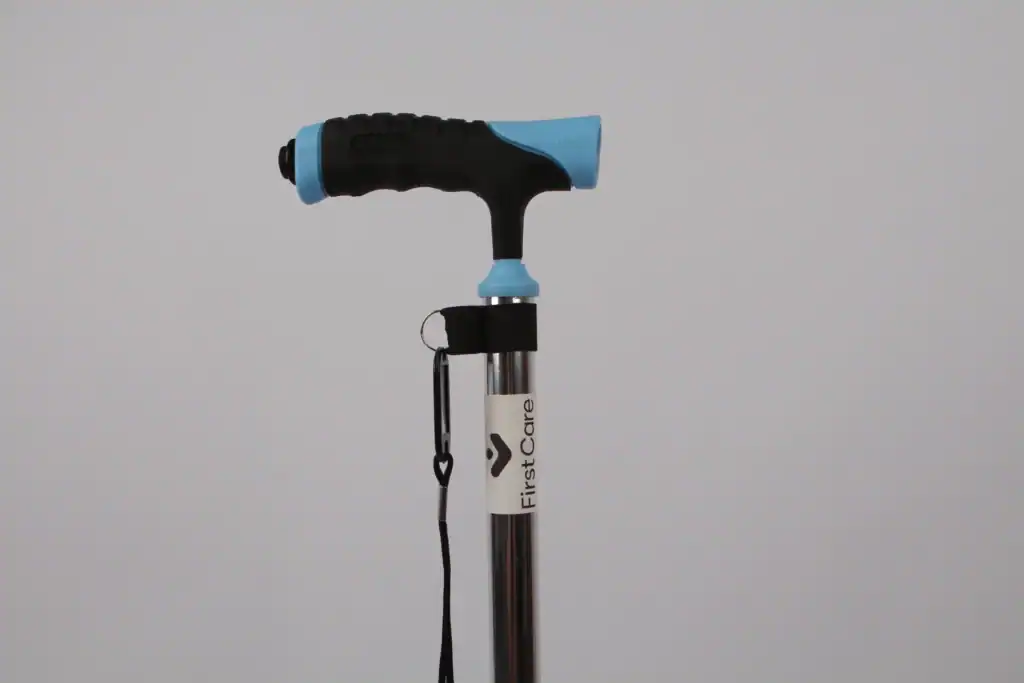
6061 vs 7075 Aluminum: How Shaft Material Affects Lock Life
引張強度と肉厚のトレードオフ
7075アルミニウムは83,000 psiの引張強度を誇ります。6061は45,000 psiです。この84%の差により、7075シャフトは肉厚0.8mmで、6061シャフトの1.2mmと同等の荷重定格を実現できます。肉厚が薄い分、標準的な3セクションポールでは1セクションあたり約18グラムの重量を節約できます。.
軽量化には、誰もスペックシートに記載しないトレードオフが伴います。肉厚が薄いということは、ロックのクランプ力がシャフト内部のより狭い接触リングに集中することを意味します。プラスチック製エキスパンダーを0.8mmの7075肉厚に対して使用すると、摩耗パターンは、より厚い6061チューブの場合の2倍の速さで溝を掘ります。シャフト素材自体は破損しません。ロックがシャフトを内側から破壊するのです。.
勝利の組み合わせ:7075 + メタルカム + 真鍮エキスパンダー
故障は予測可能であり、解決策も同様に予測可能です。7075シャフトにメタルカムレバーロックと真鍮エキスパンダーを組み合わせてください。メタルカムは、クランプ荷重を2つのプラスチックの圧迫点に集中させるのではなく、接触リング全体に均等に分散させます。真鍮エキスパンダーは、ABSエキスパンダーを200サイクルで破壊する平滑化に耐えます。.
寧波トレッキングポール工場の工場検証データによると、この正確な組み合わせ(7075シャフト、メタルカム、真鍮エキスパンダー)は、EN 13034-1試験において、セクションあたり130ポンド以上の荷重を滑りなく保持します。この数値は最下部のセクションだけでなく、3つのセクションすべてに適用されます。7075シャフトとプラスチックカムエキスパンダーで同じ試験を行った場合、500回のロックサイクル後に85ポンドで滑り始めます。シャフトは変わっていません。ロックが変わったのです。.
サプライチェーンマネージャーがOEM仕様を審査する際、サンプルを承認する前に一つ質問すべきです:「エキスパンダーは真鍮製ですか、それともガラス充填ナイロン製ですか?」答えがABSであれば、返品率の計算はすでにあなたに不利に働いています。.
カーボンファイバーの隠れた脆弱性:ロック圧縮による破壊
3Kカーボンファイバーシャフトはアルミニウムより軽量です。しかし、利点はそこまでです。カーボンファイバーは金属とは異なる方法で圧縮に弱いのです。アルミニウムは凹みます。カーボンファイバーは層間剥離を起こします。レバーロックが裸のカーボンシャフトをクランプすると、繊維が内側に押しつぶされます——警告もなく、徐々に滑ることもなく、荷重下で突然の崩壊が起こります。.
これを防ぐには、クランプ領域を保護するラバーバック付きロック面が必要です。この部品は、部品表(BOM)においてポール1本あたり1.20ユーロかかります。低予算のカーボンポールはこれを完全に省いています。そのポールは工場での目視QCチェックを通過します。出荷されます。200ポンドのハイカーが初めて岩場の下りでポールを突いたとき、ロックがシャフト壁を押しつぶします。保証請求が届きます。.
カーボンファイバーポールを調達するブランドにとって、仕様には各クランプポイントにラバーバック付きロック面または内部アルミニウム補強スリーブを含めることが必須です。この仕様を省略すると、発注段階では小銭程度の節約になり、3ヶ月後には小売価格全額の交換費用プラス返送料がかかります。.
| プロパティ | 6061アルミニウム | 7075アルミニウム | ロック摩耗の結果 | サプライヤー見解 |
|---|---|---|---|---|
| 引張強度(psi) | 45,000 | 83,000 | 強度が低いと肉厚を厚くでき、クランプ力を均等に分散できます。強度が高いと肉厚を薄くでき、圧力が集中して内部エキスパンダーの摩耗が加速します。. | 7075を指定する場合は、集中応力を相殺するために金属製カムロックと真鍮製エキスパンダーが必要です。Kelyland純正ポールはこれらの材料を標準で組み合わせています。. |
| 標準肉厚(mm) | 1.2 | 0.8 | 厚肉はロック圧力をより広い面積に分散し、局部的な摩耗を軽減します。薄肉は高圧の接触領域を生み出し、プラスチック製エキスパンダーを200〜300サイクルで摩耗させます。. | Kelylandの7075ポールは、0.8mmの肉厚に1,000サイクル以上対応する真鍮製エキスパンダーを組み合わせ、現場での清掃メンテナンスの手間を排除しています。. |
| 推奨ロックの組み合わせ | 強化プラスチック製カムは許容範囲ですが、金属製カムは返品率を60%削減します。. | 金属製カムレバーロック + 信頼性には真鍮製エキスパンダーが必須です。. | 7075にABSプラスチック製エキスパンダーを組み合わせると、荷重時の滑りが発生し、返品や Amazonバイ・ボックス の抑圧を引き起こします。. | Kelylandのトレッキングポール工場では、7075+金属カム+真鍮の組み合わせをEN 13034-1で検証し、1セクションあたり130 lb以上を滑りなく保持します。. |
| 最適ロック時の耐荷重(EN 13034-1) | 1セクションあたり約100〜120 lb | 1セクションあたり130 lb以上 | 高容量により、過酷な使用時のロックスリップ事故が減り、ロック不良に関連する返品理由コードが減少します。. | 200 lbを超えるお客様、または重い荷物を運ぶお客様には、Kelylandは最低限の耐久性基準として、メタルカムロック付きの7075シャフトを推奨します。. |
Replace vs Repair Decision Framework for Retailers Reducing Returns
プラスチックカムのひび割れ: 直ちに交換してください。.
2%未満の返品率を目指す小売業者やブランドオーナーには、判断ではなく二値的なルールが必要です。以下の3部構成のフレームワークは、ロック不良の保証対応から推測を排除し、各シナリオを決定論的な修理か交換かのアクションに変換します。.
プラスチックカムひび割れルール: 即時交換
プラスチックカムと目に見えるヘアラインクラックを備えたレバーロックポールは、すぐに修理不可能となります。クラックは繰り返しのクランプ力で進展し、多くの場合、次の5〜10回の使用内に崩壊を招きます。今すぐ交換用ポールを発送する方が、修理を試みるための往復送料とカスタマーサービスの時間よりも低コストです。50万ユニット以上の調達データが確認しています: メタルカムレバーロックへの切り替えにより、ロック不良の返品が60%以上削減されます。OEMバイヤーの場合、調達段階でメタルカムを指定することで、この故障カテゴリ全体を排除できます。.
返品を40%削減する4×6インチのハングタグ
各ポールボックスに同梱される印刷された調整ガイドカードは、片面にトルク矢印付きのレバーロックネジ締め付け図、もう片面にツイストロックの分解と清掃方法を示しており、ロック関連の返品のほとんどを未然に防ぎます。同じ50万本以上のポールサンプルにわたる工場現場データでは、この4×6インチカードを含めるとロック不良の返品率が40%減少することが示されています。小売業者にとって、それは回避された返品1件あたり、リバースロジスティクスでユニットあたり$3.50〜$5.00の節約になります。Amazonでは、ロック不良の欠陥コードが減ることでBuy Boxの対象資格が保護されます。Kelylandは500ユニット以上の注文でこのカードを無料で同梱します。.
スペアロックアセンブリを提供するタイミング
卸売価格が$60を超えるポールの場合、別の交換用ロックアセンブリSKUを提供することが経済的に理にかなっています。完全なレバーロック機構は、100ユニットの最小発注数量でユニットあたり$1.80〜$2.50かかり、製品全体の返品処理よりもはるかに安価です。このセルフサービス修理オプションは、ポールの寿命を延ばし、保証送料を削減し、ブランドが長期的な耐久性を保証していることをバイヤーに示します。カタログを評価してください: 小売価格が$90を超えるポールがある場合、小売価格$3〜$5のスペアロックアセンブリを追加することで、利益率を保護し、お客様をトレイルに留め続けます。.
結論
荷重で崩壊するトレッキングポールは、ランダムな欠陥ではなく、予測可能な材料選択です。50万本以上の出荷ユニットからのデータは明確なストーリーを示しています: プラスチックカムレバーとABSエキスパンダーは、最もコストのかかる削減箇所です。FOB価格での工場原価の$3.80の差は、ロック不良の返品理由コードがAmazonのBuy Box対象資格に影響を及ぼし始めると、返品ユニットあたりリバースロジスティクスで$5.00を節約します。これを発見するのはサンプル承認時です — 返品率がAmazonの抑制しきい値を超えた5,000ユニット再発注時ではありません。.
-
- ポールは金属製カムレバーロックを使用していますか?そうでない場合、ロック不良の返品率が60%高くなると予想されます。.
- ツイストロックのエキスパンダーは真鍮製ですか、それともガラス充填ナイロン製ですか?ABS製のユニットは300サイクル以内に割れます。.
- パッケージに4×6インチのトルク調整ガイドカードは含まれていますか?この1枚の挿入物だけで返品率が40%減ります。.
品質許容範囲を次のレベルに設定してください: 仕様書 次の生産ロットの前のレベル。要求: 7075アルミニウム シャフトは金属製カムと真鍮製エキスパンダーアセンブリと組み合わせてください。この組み合わせは、セクションあたり130ポンド以上の荷重でも滑りなくテストされています。Kelylandの寧波トレッキングポール工場の5,000サイクルロックテストデータを、現在のサプライヤーの認証レポートと比較してください。その差がBOMのライン項目の1ページに明確に表示される場合、リクエストする決定は 量産前サンプル カスタムグリップとシャフトオプション付きで、交渉の譲歩ではなく、そのまま利益率を守る動きになります。.
よくある質問
トレッキングポールに体重をかけると、なぜ折りたたまれてしまうのですか?
レバーロック式ポールの80%では、カムクランプの調整ネジが単に振動で緩んでいます。レバーをかけた状態で、プラスドライバーを使って時計回りに1/8~1/4回転締めてください。毎回のハイキング前にネジの締め付けを確認し、プラスチック製エキスパンダーは毎年交換してください。.
トレッキングポールのレバーロックはどのくらい締めればよいですか?
カムスクリューは工場仕様の2〜3 N·mに締め付ける必要がありますが、これは無理に力を入れずにレバーを閉じるためのしっかりとした手の圧力のように感じられます。これをわずかに超えると。レバーが中程度の抵抗でパチッと閉まったらすぐに締め付けを止めてください。.
トレッキングポールのロック機構だけを交換できますか?
はい、ほとんどのOEM供給のポールでは、レバーロックアセンブリ全体またはツイストロックエキスパンダーユニットを交換部品として交換できます。実現可能性は、ポールが使用するかどうかによって異なります。注文時にサプライヤーに予備ロックキットを依頼してください。エンドユーザーの返品が減ります。.
ツイストロックとレバーロックのトレッキングポールの実際の重量制限は?
レバーロックカムは通常80〜120ポンドのクランプ力を発生し、新品時の実用上の最大荷重は約140ポンドです。ツイストロックの保持力は完全にエキスパンダー材質に依存します—真鍮製ユニットは同等に対応できます。ABSエキスパンダーを使用するツイストロックポールは、必ず40%ディレーティングしてください。.
トレッキングポールのロック機構が故障するのを防ぐにはどうすればよいですか?
フルメタルカムレバーと真鍮製ツイストロックエキスパンダーを備えたポールに切り替えてください。これにより、ロック不良による返品が60%以上削減されます。日常的なフィールドメンテナンスでは、アジャスターネジ部に砂やゴミが付着しないようにし、再締め付けを行ってください。注文書にはメタルカムレバーと真鍮製エキスパンダーを明記してください。.

 English
  Español
  Deutsch
  Français
  Português do Brasil
  Русский
  العربية
  한국어
한국어  日本語
日本語