 跳到内容

Camping cot frame weld repair rarely makes a buyer’s pre-shipment checklist. Fabric weight, rivet alignment, fold action, sample approval signatures — all confirmed before a $50K order shipped. The pre-production sample looked perfect. The mass production run didn’t, and the whole batch came back.
Most weld failures in budget steel-frame cots show up the same way: hairline cracks where the crossbar meets the leg frame, usually after a few weeks of load cycling. The root cause is seldom a dramatic impact. It’s poor weld penetration at the factory, or a metal gauge that quietly changed between sample approval and mass production. You can negotiate FOB pricing down to the cent and still miss this, because the crack is invisible until the cot flexes under a real body weight.
The good news is that most of these failures can be fixed before they become a returns disaster. Some ISO 9001 factories run pre-shipment weld integrity tests, but buyers rarely request the report — a cheap addition to any quality tolerance conversation. The five fixes below cover everything from a quick MIG tack for hairline cracks to reinforcement gusset plating for load-bearing joints, so you can decide which stock earns a repair and which should be written off.
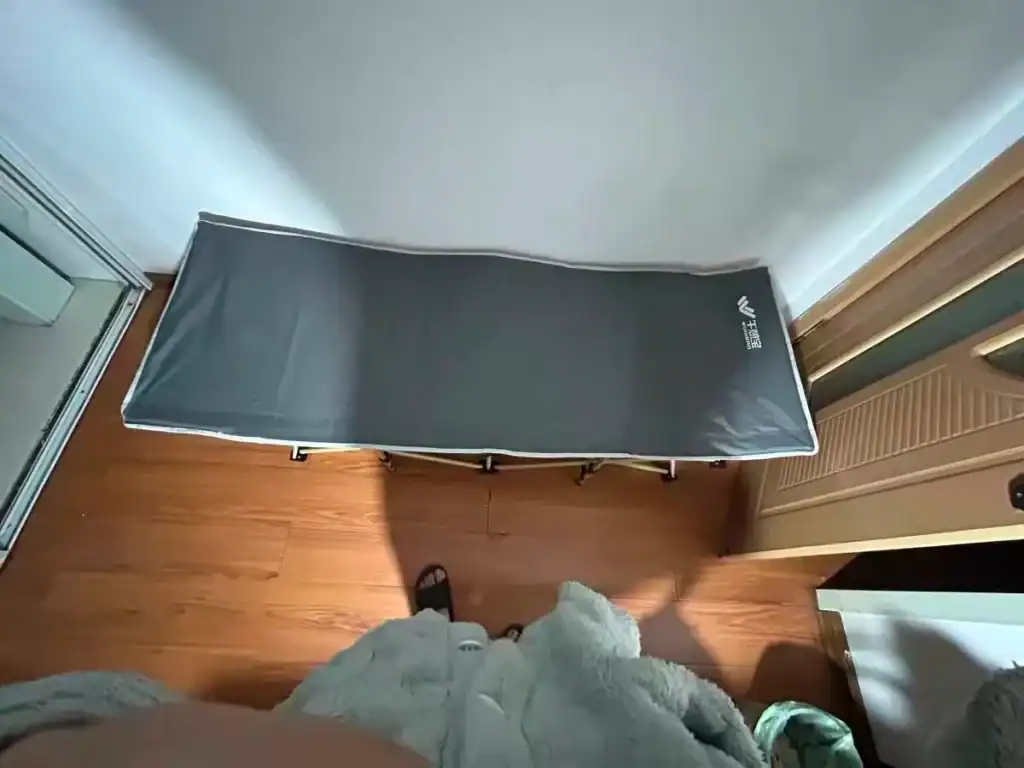
Why Camping Cot Frame Welds Fail
Three weld defects cause most cot frame failures.
A frame rated for 120-250 kg doesn’t fail because the steel is weak. It fails because a weld joint couldn’t transfer the load it was designed to carry. When the crack shows up in a warranty return, it usually traces back to one of three root causes: fatigue, shallow weld penetration, or a defect baked in during production.
Material Fatigue: The Weld Toe Cracks First
Every time someone sits down on a cot, the X-frame flexes and the load path concentrates at the weld toe — the transition line between the weld bead and the tube surface. On steel frames, that zone is harder than the base tube. It doesn’t flex; it cracks. Repeat this over months and a small stress fracture grows into a full joint separation.
Design teams mitigate this by adding reinforcement gussets at load-bearing joints during the ODM phase. Case studies from cot brands that adopted this detail show field failures dropping by up to 40%.
Fatigue cracks appear as hairline arcs starting at the weld edge. They are easy to miss during incoming quality control because the powder coating hides them until the joint opens under load. Inspecting frames before they reach customers beats reacting to returns eight months later.
Poor Weld Penetration: When the Bead Lies
A weld bead can look perfect on the outside and still have penetrated only a fraction of the tube wall. Operators on high-volume lines sometimes reduce amperage to avoid burning through thin-wall steel. The result is a weld that holds during assembly checks but fails under real bodyweight.
This defect is invisible to standard visual inspection. The Jinhua partner factory that produces Kelyland’s camping chairs and cots runs pre-shipment weld integrity checks as part of its ISO 9001 process, but few retail buyers request that report. Asking for it is the least expensive weld-quality check you can add to a purchase order.
Manufacturing Defects: Porosity, Undercut, and Operator Drift
Porosity forms when moisture or oil contaminates the joint during welding. Undercut happens when the weld edge is burned too deep into the tube. Both create notches that concentrate stress exactly where the frame already works hardest.
Operator drift is the less obvious culprit. On a line producing 1.5 million chairs and cots per year, small changes in technique across shifts create inconsistent weld quality. One batch gets proper penetration; the next gets significantly less under the same specs. The frame design is identical, so failures look random — until someone pulls the shift records.
How to Assess the Damage: Hairline vs. Structural Cracks
A hairline crack is a warning.
The first question an incoming quality control inspector must answer is whether a crack is cosmetic or load-threatening. That decision drives everything downstream: repair, replacement, or supplier claim. On steel-frame cots, a hairline in the powder coating can hide a weld root fracture underneath. On aluminum frames, the same faint line often means the tube itself is already failing.
Hairline vs. Structural Cracks
A hairline crack stays on the surface. It runs along the weld toe, follows the edge of the bead, and does not penetrate into the base metal. A structural crack cuts through the weld throat or into the tube wall. On a camping cot rated for 120-250 kg, a structural crack at the X-frame pivot point can buckle the joint under normal sleeping weight. That is the difference between a warranty part and a safety incident.
Most budget cots use steel tubing. Steel cracks tend to start at the weld toe and grow slowly, which gives inspectors a chance to catch them. Aluminum cots fail differently; the crack often begins inside the tube and appears on the surface only after significant section loss. Treat any aluminum hairline as structural until proven otherwise.
Visual Inspection Guide for IQC
Inspect every frame joint before the cot is assembled into its fabric. A fully assembled cot hides the exact location where cracks form. Use this sequence on incoming stock and on returned units.
-
- Clean the joint: Wipe off grease, dirt, and loose coating. Use a wire brush on steel only; on aluminum, use a nylon brush to avoid scratching the surface and hiding the crack.
- Check the weld toe: A crack along the toe, parallel to the bead, is often hairline. A crack crossing the weld bead or running perpendicular to the tube axis is structural.
- Inspect the paint: Stretched or cracked paint at the joint indicates the base metal has moved. That is a structural signal, not a cosmetic defect.
- Tap test: A solid frame rings when tapped with a small metal tool. A cracked joint produces a dull, short thud. Use this as a quick sorting method, then confirm visually.
Kelyland’s partner factories, most of which hold ISO 9001:2015 certification, document weld inspections at every production stage and make those reports available on request. Ask for the pre-shipment weld integrity report on your next order. Most retail categories never request it, and that report is the cheapest quality control tool you can add to your inspection workflow.
Classify every crack you find into one of two buckets: hairline or structural. Log the location, the affected SKU, and the crack orientation. That record becomes the evidence you need when you push a supplier for corrective action. Without it, you’re just guessing.
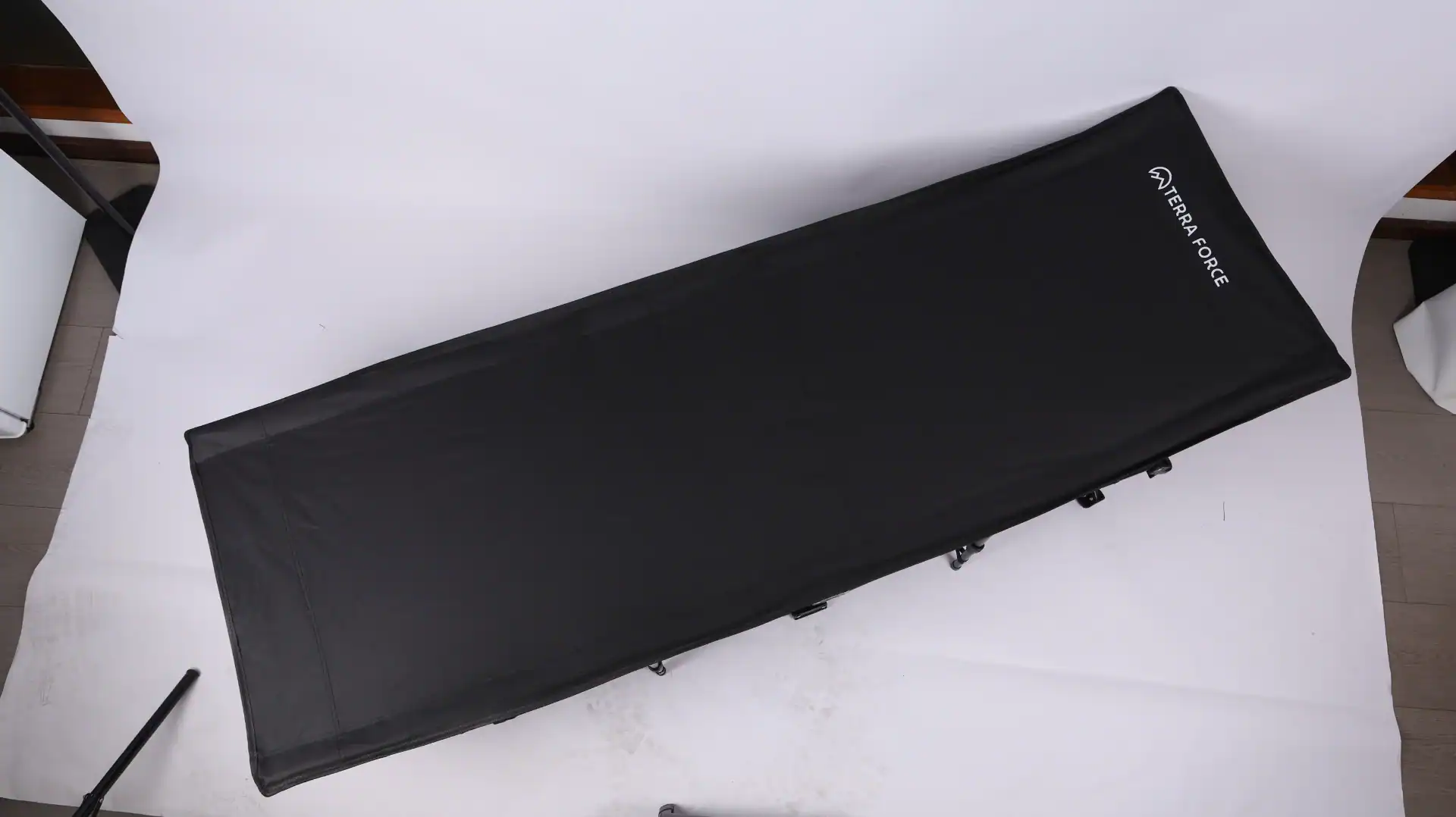
5 Weld Fixes for Camping Cot Frames
Pick the fix by failure mode, not by convenience.
A weld crack on a camping cot frame is a structural failure, and a smart repair starts with classifying the damage. For any camping cot frame weld repair decision, the first question is: does this crack carry load? The five approaches below range from temporary field patches to production-line reinforcement. Material matters first. Steel frames from budget and mid-tier lines use MIG welds; aluminum frames use TIG. Mix those up and you create a second failure point.
Fix #1: Tack Welding with a MIG Unit for Small Cracks
A hairline crack under 10mm on a non-load-bearing tab or bracket can be tack welded with a MIG unit set to low amperage. Grind off the powder coating, clean the surface to bare metal, and run a single tack bead. This works because the tab doesn’t carry the cot’s rated load. The catch: if the crack appeared during normal use at or below the rated load — standard production camping cots are rated 120 to 250 kg — the joint geometry is under-engineered, and the same crack will return at the same stress point.
Fix #2: Reinforcement Gusset Plating for Load-Bearing Joints
Load-bearing joints — where the side rail meets the leg, or where the X-frame cross members pivot — need more than a re-weld. A simple re-weld fails within weeks because the original joint lacks surface area to spread the load. The repair that holds is a gusset plate: a triangular steel plate, 1.5mm to 2mm thick, welded across both sides of the joint. Production case studies show that adding gusset reinforcement at the design stage reduces field failures by up to 40%. Ask your supplier whether the current frame drawings include gussets; budget cots often omit them to save material cost.
Fix #3: Cold Weld Epoxy as a Temporary Field Repair
Cold weld epoxy — a steel-reinforced two-part compound — is the only repair that works without removing the fabric and disassembling the frame. It will hold a non-load-bearing crack through a weekend trip. It will not hold a load-bearing joint. In your returns process, classify epoxy repairs as temporary: the unit gets replaced under warranty, not returned to inventory or the sales floor.
Fix #4: Full Re-Weld with TIG for Aluminum Frames
Aluminum cot frames require TIG welding, not MIG. The heat-affected zone is tight, and filler rod selection matters — 5356 is the standard choice for 6061-series frames. A proper aluminum re-weld means stripping the coated surface, welding with clean filler, and addressing the temper loss afterward. If the frame is 6061-T6, the weld heat returns the joint area to a softer state, so the repaired joint can fail at a lower load than the original spec. When you’re approving warranty repair vendors, confirm they know what T6 temper means before you trust them with a batch of units.
Fix #5: Heat Treatment & Stress Relief After Repair
Every weld creates residual stress in the heat-affected zone. On steel frames, that stress concentrates exactly where the crack started. Post-weld stress relief — heating the repaired area and cooling it slowly — restores part of the original strength. This is where ISO 9001:2015 process control separates real repairs from patch jobs. The camping chair and cot partner factory in Jinhua runs pre-shipment weld integrity checks under its quality-control protocol; that report is available on request. Most retail buyers never ask for it, and it’s the one document that proves a batch has verified welds rather than a visual inspection stamp.
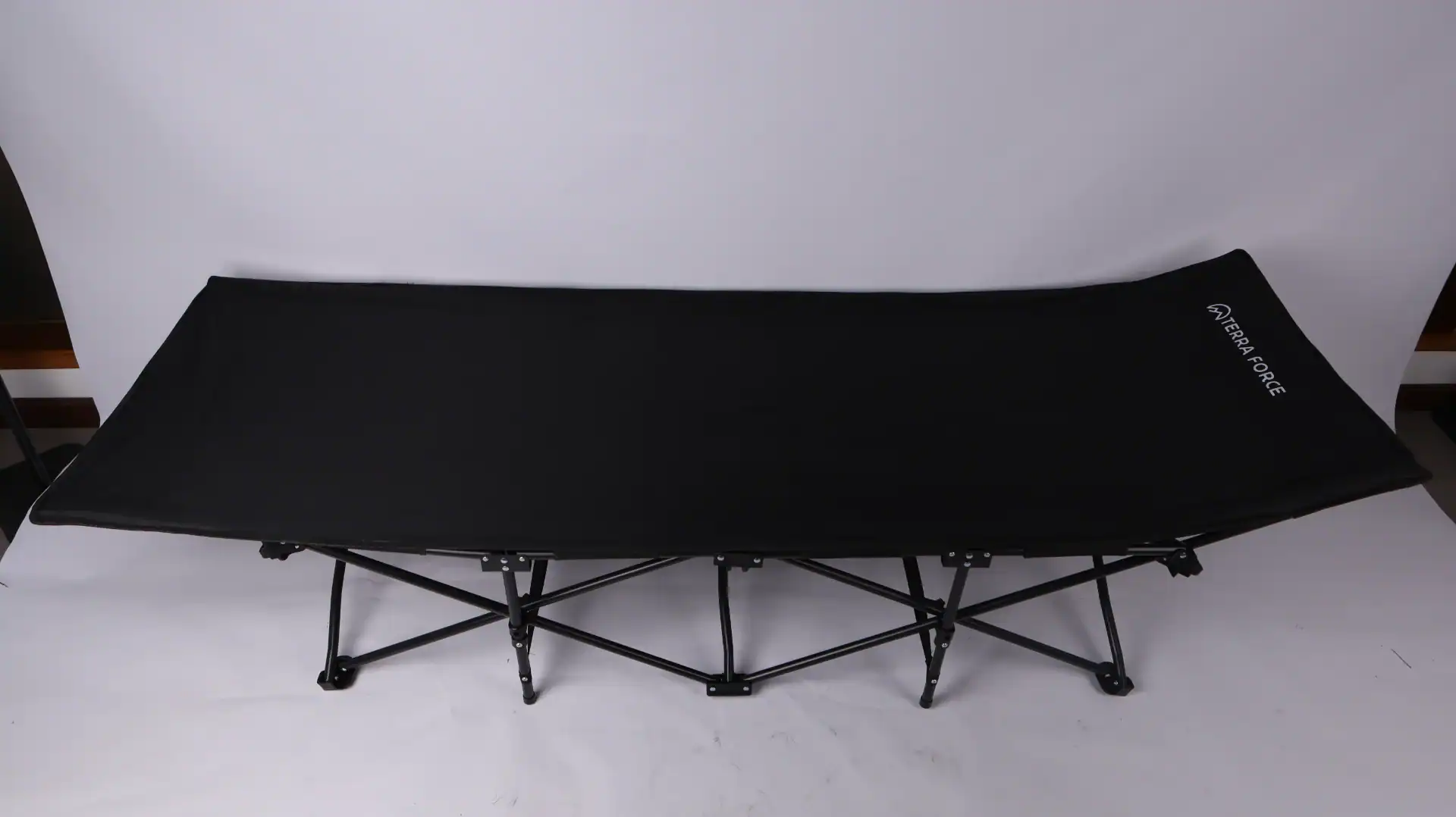
When to Replace vs. Repair: Cost-Benefit Analysis for Bulk Stock
Repair the outliers, replace the defective production line.
The cost equation changes when you’re looking at hundreds of cots instead of one. A single hairline crack is a warranty claim. When the same crack pattern shows up across multiple units in one batch, that’s a production-level defect — and repairing it in-house only makes sense if the root cause is isolated to specific weld points, not spread across the whole run.
Start with a batch sort before you price a single repair. Tag every frame into one of two bins: crack in a non-load-bearing location, or crack at a joint that carries the sleeper’s weight. Load-bearing failures make the decision. Camping cots produced by the Jinhua, Zhejiang furniture network carry rated loads of 120-250 kg; a crack at the X-frame hinge on a heavy-duty model is structural, not cosmetic.
Repair cost hides a second line item
Re-welding a steel frame takes a grinder, a MIG unit, and solid bench time per joint — before repainting and curing. Aluminum is a different problem. TIG re-welding requires a certified fabricator, and the heat-affected zone loses its original temper. On a bulk batch, that metallurgy gap alone can flip the decision from repair to replacement.
Run the replacement math against the liability math, not the unit price. A repaired frame that fails under a customer generates a return, a refund, a negative review, and possibly a safety complaint. Add freight and handling and one field failure can erase the margin on an entire carton of cots.
Three questions that decide the batch
-
- Weld location: Non-load-bearing joints can be ground out and re-tacked safely. A crack at the hinge bracket or center rail on a 120-250 kg rated frame is a reject. Re-welding load-bearing joints on 500 units creates 500 new liability points.
- Design flaw vs. workmanship flaw: If the crack is a design flaw — a weld joint where a formed bend should carry the load — every repaired unit will re-crack. Competitor case studies on camping furniture show gusset-reinforced designs cutting field failures by up to 40%. Frames with this signature get replaced, not repaired.
Before you authorize a frame weld repair or replacement, pull the inspection reports. Kelyland’s partner factories operate to ISO 9001:2015 and perform weld integrity checks at the pre-shipment stage, with reports available on request. Most retail buyers never ask for them. That document tells you whether the welding process is stable — which is the core question behind any repair-or-replace decision.
| Decision Factor | Repair | Replace | Key Consideration |
|---|---|---|---|
| Unit Cost Threshold | 15–30% of unit landed cost | 100% of unit landed cost | If repair exceeds ~30%, replacement wins on value |
| Batch Failure Rate | Best for isolated defects (<5% of batch) | Best for systemic failure (>5% of batch) | High rates signal a manufacturing process issue, not field wear |
| Turnaround Time | 3–7 days with a local certified weld shop | 30–45 days standard production lead time | Seasonal launches may force short-term repair to keep shelves stocked |
| Warranty & Compliance | Preserves existing warranty; requires documented repair | Restarts warranty clock and cleanly meets retail compliance | Misapplied repairs can void liability coverage and retailer agreements |
| Logistics & Reverse Flow | Local repair avoids cross-border freight and customs | Requires return-to-supplier freight, duty, and disposal costs | Include logistics in total cost; repair often wins on convenience |
| Long-Term Reliability | Re-crack risk up to 40% without gusset reinforcement | Factory weld integrity with ISO 9001 process control | Repeated failures damage brand reputation more than unit cost |
| Liability & Safety | Acceptable for non-structural cracks and temporary field use | Mandatory for load-bearing joints and folding mechanisms | Safety-critical frames should never be field-repaired for resale |
| Recommended Default | Hairline cracks on low-stress crossbars | Structural legs, hinge joints, or any crack in aluminum | Document every case and feed data back to the OEM supplier |
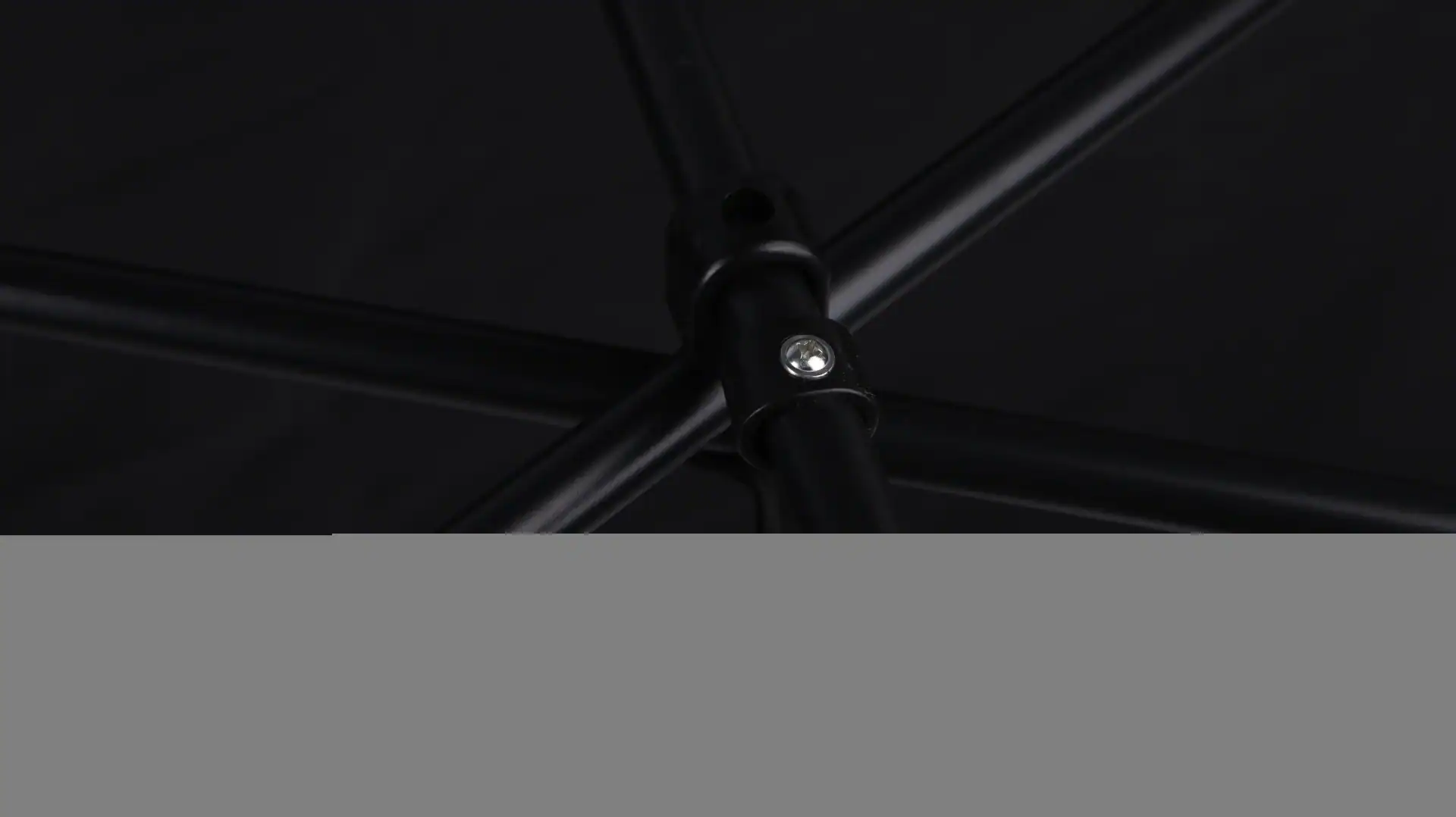
How to Communicate Frame Failures to Your OEM Supplier
The supplier’s response to a documented weld failure predicts the next three years of your partnership.
Most frame failure complaints arrive as a single photo with the words ‘weld broke, send credit.’ That buys you a week of back-and-forth. A supplier can’t act on a blurry image alone. What separates a professional sourcing manager from a frustrated buyer is simple: they document the failure the same way the factory’s own inspectors would, then ask for a root-cause report instead of money.
What to Send in a Frame Failure Report
-
- Photo with scale: Place a ruler or caliper next to the crack. A macro shot without scale tells the factory nothing about severity.
- Load and usage: State the cot’s rated capacity and the actual user weight plus number of seasons of use. If failure happened below rating, say so explicitly.
- Crack location: Weld throat or heat-affected zone? This decides whether the fix is a process correction or a joint redesign.
- Batch reference: The factory’s QC logs track production lots. Give them a batch number so they can pull inspection records for that exact run.
Here’s a detail most buyers miss. Partner factories in the Kelyland network work to ISO 9001:2015 and log inspections at every production stage, with reports available on request. Weld integrity checks happen before shipment. Most retail buyers never ask for the report, then wonder why a warranty dispute drags into week three. Request the batch’s inspection records before you accept a credit note.
Turn the Conversation Toward the Fix
When the same failure shows up across more than one unit, stop asking for one-off repairs. Ask the supplier to re-engineer the joint. Adding a reinforcement gusset plate at load-bearing corners during the pre-production design phase has been shown in industry cases to reduce field failures by up to 40%. That’s the difference between paying return shipping on every bad batch and fixing the product at the source.
A supplier that shares the root-cause analysis and proposes a joint redesign is a keeper. One that blames the user or offers a credit note without explanation just told you how the next batch will behave. You don’t fix that with a phone call. You fix it by documenting the failure properly and watching who respects the data.
Conclusion
The five weld fixes above work — but only when matched to the actual failure mode. A misplaced MIG tack on a load-bearing joint cracks again within two trips, and a repair that misses quality tolerance fails the same way in the field. Skip the repair protocol and a rejected batch erases the margin on a $50K order inside 90 days.
-
- Hairline cracks can be MIG-tack welded; structural failures need gusset plating or a full re-weld.
- Steel frames behave differently than aluminum — match the repair method to the base metal.
- Request the pre-shipment weld integrity test report from ISO 9001-certified factories before bulk approval.
- Reinforcement gussets added at the design stage can cut field failures by up to 40%.
Before you place the next bulk order, ask your supplier for two documents: the weld integrity test report and a diagram showing how the frame joints are reinforced. Compare those against the cots already in your warehouse — then flag any SKU where a gusset is missing. That single review step, done at the design stage, is what separates a low-return SKU from a warranty nightmare.
Frequently Asked Questions
Why do camping cot frame welds fail?
Camping cot frame welds fail most often from material fatigue, poor weld penetration, or manufacturing defects. Hairline cracks usually appear first, while structural cracks mean the load-bearing joint is already compromised. Catch these defects at IQC before the batch ships.
Can a cracked camping cot frame be rewelded?
Yes, but only after you identify the crack type and frame material. Small non-structural cracks can be MIG-tacked, while aluminum frames usually require full TIG re-welding and stress relief. Assess the crack first, then choose the correct weld fix.
When should I replace instead of repair cot frames?
Replace the frame when the crack is structural, hits a load-bearing joint, or repeats across multiple units in the same batch. Repair only makes sense for isolated hairline cracks or temporary field fixes. Compare repair cost against batch failure rate before reworking.
How do you inspect camping cot frame welds before shipment?
Inspect every weld joint visually for hairline cracks, incomplete penetration, and surface porosity, focusing on load-bearing corners. Use a magnifying lamp or dye penetrant test on samples to catch hidden cracks. Add weld checks to your pre-shipment inspection checklist.

 English
 Español
 Deutsch
 Français
 Português do Brasil
 Русский
 العربية
 한국어
 日本語