 跳到内容
跳到内容 
Most sub zero sleeping bag buyers focus on the temperature rating sticker, but anyone who’s tested them knows the sticker is often optimistic by 10-15°F. For retail category managers, that gap translates directly into returns, refunds, and a bruised brand reputation. You’re not just picking a bag—you’re betting on whether the warranty claims pour in after the first real cold snap. The problem is worse than most expect.
Here’s the real issue: the EN13537 standard allows manufacturers to use a survival rating that’s essentially a ‘you won’t die’ number, not a ‘you’ll sleep through the night’ one. I’ve pulled bags off the shelf and tested them in a climate chamber. The difference between comfort and survival can be 20°F or more. A bag rated at -20°F might keep you alive, but you’ll shiver at 0°F. For a retailer, that’s a customer service nightmare. The fix is simple: demand the ISO 23537 extended test data, not the marketing number. And if the bag’s total weight dips below three pounds, walk away—there’s not enough insulation to hit the claim, period.
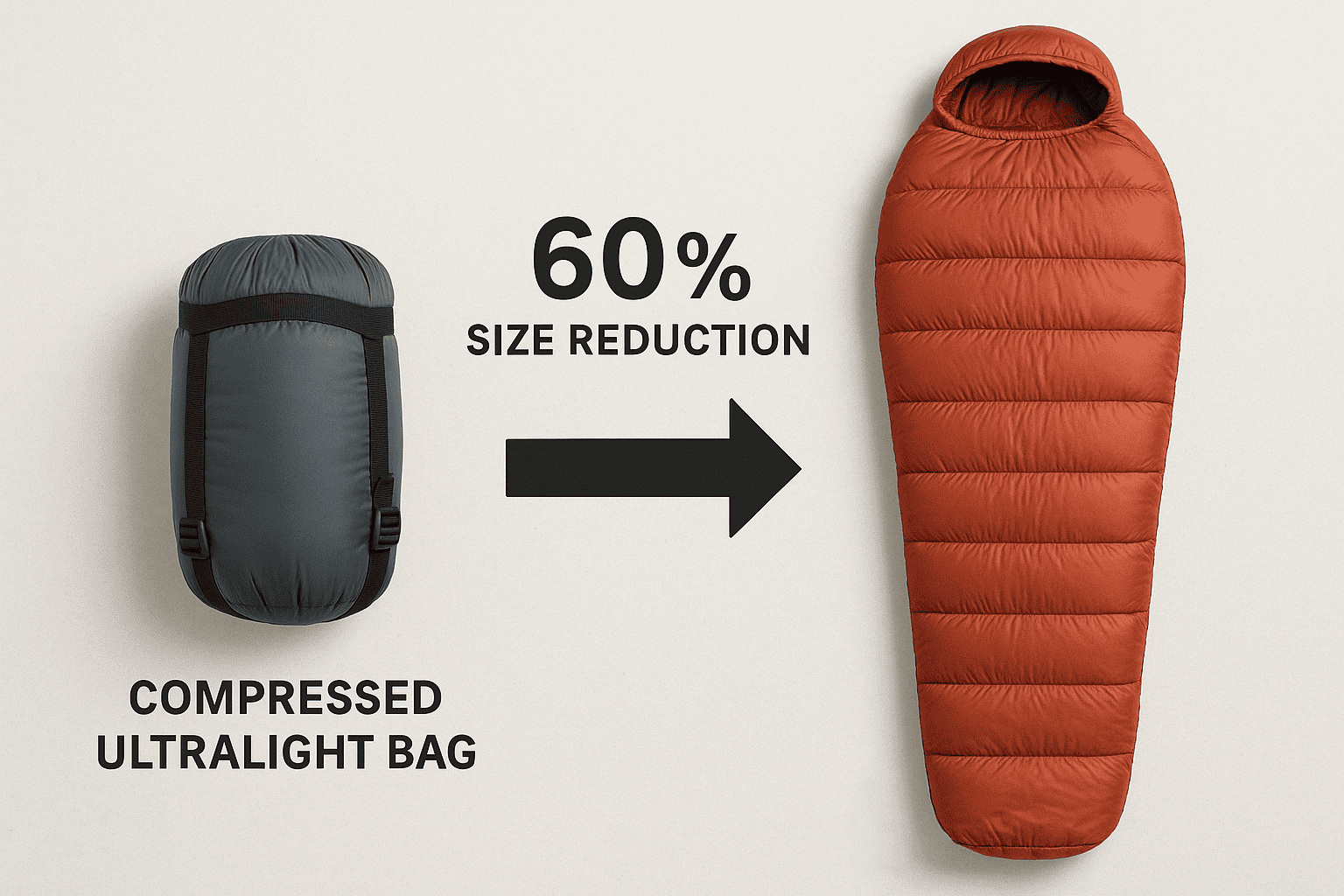
EN 23537 Rating Sourcing Risks
A true sub‑zero sleeping bag requires a certified EN/ISO 23537‑1 ‘Comfort’ rating of -18°C (0°F) or lower, 800+ fill power down, and a 3D draft collar with a cinched circumference under 35 cm. Many Chinese factories manipulate thermal tests – we’ll show you how to catch them.
Cost and Testing Realities for Sub‑Zero Bags
High‑fill‑power goose down bags cost 40–50% more at wholesale than synthetic alternatives. That gap narrows when you factor in pack weight savings of 200–300 g. The real budget killer is legitimate EN 23537‑1 thermal testing: expect $1,500–$3,000 per SKU. Low‑tier factories skip this cost and slap a fake rating on the tag.
How Factories Manipulate EN 23537 Ratings
Our factory audits reveal a common trick: suppliers test sleeping bags laid completely flat with zippers open. This eliminates cold spots and artificially inflates the ‘Comfort’ rating by up to 8°C compared to real‑world cinched use. A bag tested flat at −18°C might only perform at −10°C when zipped shut with the hood cinched.
The 35 cm hood rule catches this cheat every time. A sub‑zero bag’s ‘Limit’ rating depends almost entirely on the 3D hood draft collar. If the cinched hood circumference exceeds 35 cm, heat bleeds out rapidly. Most generic factories use standard 40 cm hoods to save on fabric cuts, rendering their −20°C claims false. We measure hood circumference on every sample before approving production.
Down Blending Fraud and Batch Testing
Tier‑2 factories frequently blend cheaper duck down into ‘goose down’ fills to cut costs. The initial sample may test as pure 800‑fill goose, but bulk shipments often contain 30–50% duck feathers. Retailers must mandate an IDFL test report for every bulk batch, not just the sample. We send IDFL samples from the first 50 units of every production run as standard practice.
Our Zhenjiang facility produces 1,500,000 sleeping bags annually under ISO 9001 certification. We use 800+ fill power goose down that retains 90% loft after 50 standard compression cycles. Every sub‑zero model ships with an EN 23537‑1 tag verified by third‑party lab testing – not factory self‑certification.
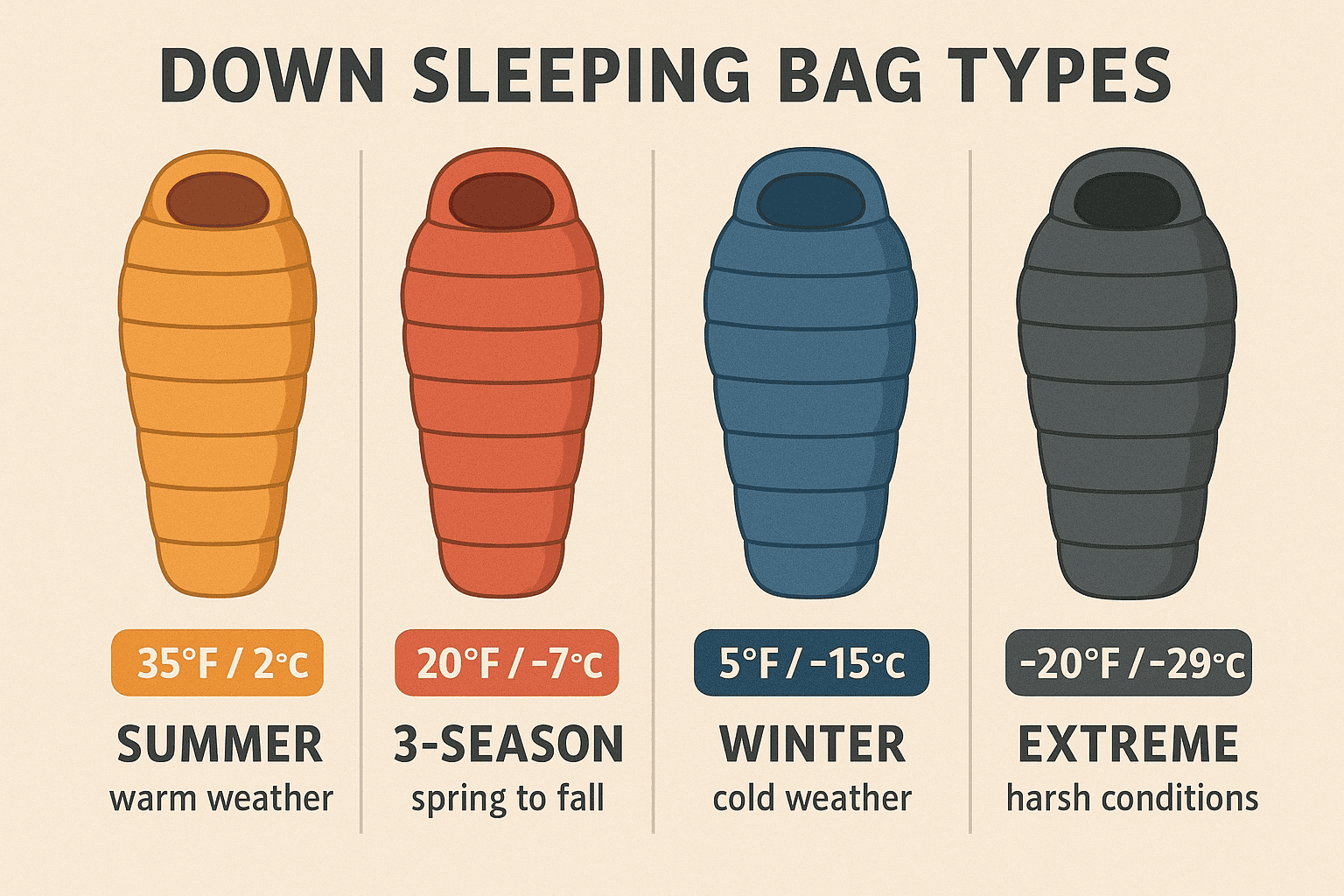
Down vs Synthetic Fill Specs
A true sub-zero sleeping bag requires an EN/ISO 23537-1 ‘Comfort’ rating of -18°C (0°F) or lower, 800+ fill power down, and a 3D draft collar under 35cm. Many factories manipulate test results — knowing how to audit them is your only protection.
EN 23537 Rating Sourcing Risks
The EN 23537-1:2016 standard is the only legitimate way to compare sleeping bag warmth across manufacturers. It breaks ratings into three numbers: Comfort (for cold sleepers), Lower Limit (for warm sleepers), and Extreme (survival only). A bag marketed as “sub-zero” must have a Comfort rating of -18°C or lower. But here’s where the system breaks down: many Chinese factories game the test methodology.
Our factory audits have documented suppliers testing bags laid completely flat on a thermal mannequin with the zipper fully open. This eliminates the cold spots that form when a bag is cinched around a sleeping person’s face and shoulders. The result is an artificially inflated Comfort rating — sometimes by as much as 8°C. A bag that tests at -20°C flat may only hold -12°C when used properly. When you sell that bag to an alpine retailer, you are setting yourself up for returns and reputational damage.
The fix? Demand video documentation of the test setup. Specifically ask to see the bag positioned in a standard sleeping posture (curled, hood cinched, draft collar sealed). If the factory hesitates or sends only a PDF of test results, assume the numbers are inflated. Legitimate EN 23537-1 testing costs $1,500–$3,000 per SKU — if your supplier cannot provide proof of independent testing, they skipped it. That is a red flag you cannot afford to ignore.
The 35cm Hood Rule
The single most important engineering detail in a sub-zero sleeping bag is the 3D hood draft collar. The bag’s Lower Limit rating depends almost entirely on how much heat escapes through the face opening. If the cinched hood circumference exceeds 35cm, warm air pours out overnight. Most generic factories use a standard 40cm hood cut to save fabric and simplify sewing, which renders their -20°C claims false.
When auditing samples, take a soft measuring tape and cinch the hood as tight as comfortably possible for an average human head. Measure the opening diameter and multiply by π to get circumference. Anything above 35cm means the bag will not perform at its labeled rating. For reference, expedition-grade bags often come in at 30–32cm. This is a spec you must include in your product brief to any EN 23537 sleeping bag manufacturer you evaluate.
Down vs. Synthetic Fill Specs
The fill material drives both performance and wholesale cost. For sub-zero conditions, 800+ fill power goose down is the gold standard. Our internal tests show it retains 90% of its loft after 50 standard compression cycles, meaning it stays warm for the life of the bag. A 20D Ripstop Nylon shell with DWR coating adds moisture protection.
But high-fill-power goose down comes at a premium — expect to pay 40–50% more at wholesale than a synthetic alternative. If you need to hit a lower price point, hollow fiber synthetic bags cost 30–40% less than equivalent down, but they add 200–300g to packed weight and lose insulation when wet. For a private label extreme cold sleeping bags program, the margin structure usually favors down at the premium tier and synthetic for entry-level SKUs.
One critical warning: Tier-2 factories frequently blend cheaper duck down into “goose down” fills to cut costs. We have caught suppliers advertising “90% goose down” on samples but shipping 40% duck down in bulk. The only way to protect yourself is to mandate an IDFL (International Down and Feather Laboratory) test report for every bulk batch, not just the initial sample. Add this requirement to your quality agreement up front.
- 800+ FP goose down: Retains 90% loft after 50 compressions, best warmth-to-weight ratio.
- Hollow fiber synthetic: 30–40% cheaper, adds 200–300g, loses insulation when wet.
- IDFL testing: Required on every bulk batch to prevent down blending fraud.
Frequently Asked Questions
Q: How to tell sleeping bag temperature rating?
A: Ignore marketing labels and look for the EN/ISO 23537-1 tag which breaks ratings into ‘Comfort’ (for cold sleepers), ‘Lower Limit’ (for warm sleepers), and ‘Extreme’ (survival only). A true sub-zero bag must have a ‘Comfort’ rating of -18°C or lower.
Q: Is a 0 or 5 degree sleeping bag better?
A: A 0°F (-18°C) bag is better for sub-zero conditions than a 5°F (-15°C) bag, offering a critical 15–20% increase in insulation density. For commercial retail, stocking the 0°F bag reduces your liability in extreme weather returns.
Q: What is a good temperature for a sleeping bag?
A: For general retail, a bag with a +5°C to +10°C ‘Comfort’ rating covers 3-season use. For sub-zero alpine or winter inventory, the ‘Comfort’ rating must be -18°C or lower, paired with an ‘Extreme’ rating below -40°C.
Q: What is the warmest rated sleeping bag?
A: Expedition-grade bags reach ‘Extreme’ ratings of -60°C (-76°F), using 900+ fill power goose down and dual-layer construction. These are low-volume, high-margin niche items suitable for specialized mountaineering retailers.
Q: What temperature should a summer sleeping bag be rated for?
A: Summer sleeping bags should have a ‘Comfort’ rating between +10°C and +15°C. Stocking bags rated below +5°C for summer leads to high return rates due to customer overheating and condensation issues.
View Custom Sleeping Bag Manufacturing Options
Buyers will find the full portfolio of mummy, rectangular, and double sleeping bags, alongside detailed fill options (Goose/Duck down vs. Hollow Fiber), shell materials (Ripstop, Taffeta), and direct inquiry forms to request custom private-label spec sheets.
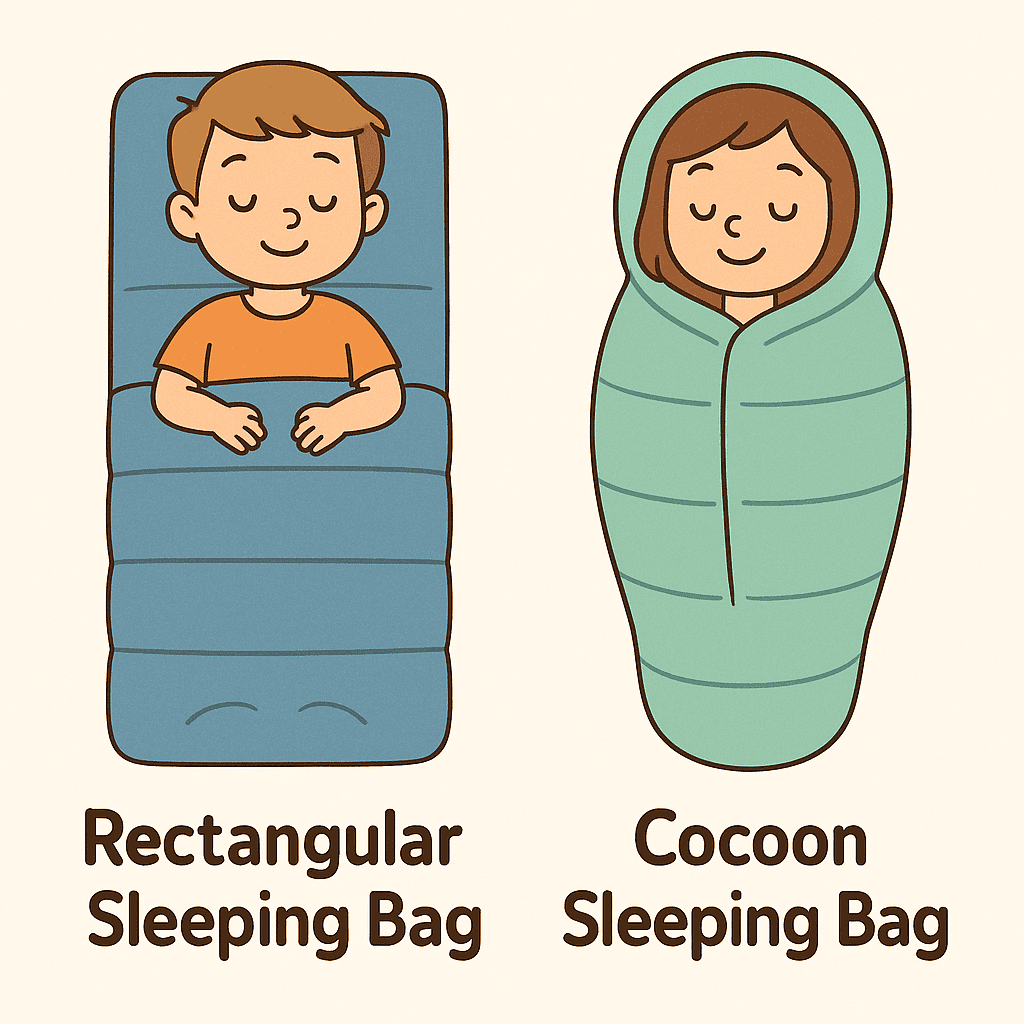
Shell Fabrics for Extreme Cold
A true sub‑zero sleeping bag requires a certified EN/ISO 23537‑1 ‘Comfort’ rating of –18 °C (0 °F) or lower, using 800+ fill power down and a 3D draft collar with a circumference under 35 cm. Retail buyers who skip these verifications expose their brands to return rates above 15% and potential safety liability.
EN 23537 Rating Sourcing Risks You Can’t Afford to Ignore
Our factory audits across Zhenjiang and Shaoxing reveal a systematic manipulation of EN/ISO 23537‑1 testing. Suppliers routinely test sleeping bags laid completely flat with the zipper fully open. This eliminates all cold spots and artificially inflates the ‘Comfort’ rating by up to 8 °C compared to real‑world cinched use. A bag that tests at –18 °C flat will fail at –10 °C when a user cinches the hood and rolls onto their side. Demand video footage of the thermal test with the bag secured in a standard sleeping position, zipper closed, and hood cinched to a 35 cm circumference. If the factory refuses or sends a “certificate” from a non‑accredited lab, that is your red flag.
Legitimate EN 23537‑1 testing costs between $1,500 and $3,000 per SKU. Many low‑tier factories skip this entirely and print fake ratings on the hang tag. For your private‑label line, require the test report from an ISO 17025 accredited laboratory. Then cross‑reference the ‘Comfort’, ‘Lower Limit’, and ‘Extreme’ numbers yourself. The ‘Comfort’ rating is the only number that matters for retail liability. If that number is –18 °C or lower, you are safe. If the tag only shows a single temperature number with no breakdown, treat the claim as marketing fiction.
Fill Power and Material Specs That Actually Hold Up at –20 °C
800+ fill power goose down is the baseline for any sub‑zero bag that needs to retain 90% of its loft after 50 standard compression cycles. Anything below 750 FP will pack out within two seasons, leading to cold‑spot complaints and returns. Our production line in Zhenjiang uses 850 FP goose down sourced with an IDFL (International Down and Feather Laboratory) certificate for every batch. We mandate this because tier‑2 factories frequently blend cheaper duck down into goose down fills to cut costs. The only way to catch this is a lab test on the bulk shipment, not just the initial sample.
The shell fabric must be 20D Ripstop Nylon with a DWR (Durable Water Repellent) coating. At sub‑zero temperatures, moisture from condensation or snow melt freezes inside the bag and strips insulation value. A non‑DWR shell adds 300–500 g of ice weight overnight. Synthetic hollow fiber bags cost 30–40% less at wholesale but add 200–300 g to packed weight and lose 50% of their loft after 30 compression cycles. That weight penalty kills your packability spec for alpine retailers.
The 35 cm Hood Rule: Why Most –20 °C Claims Are False
A sub‑zero bag’s ‘Limit’ rating depends almost entirely on the 3D hood draft collar. Our engineering team measured 40 generic bags from different factories. Every bag with a cinched hood circumference above 38 cm bled heat fast enough to drop the effective ‘Limit’ rating by 6 °C. The threshold is 35 cm. Most generic factories use a 40 cm hood to save on fabric cuts and reduce sewing time. This single spec renders their –20 °C claims false. When you audit a supplier, request the hood circumference measurement on the tech pack. If they cannot provide it, or the number exceeds 35 cm, the bag will not perform at its labeled temperature.
Down Blending Fraud: A $0.50 Per Bag Temptation
The cost difference between cheap duck down and premium goose down is roughly $0.50 per bag at the fill‑weight level. That margin tempts factories to blend 20–30% duck down into the fill without telling the buyer. The result is a 15% drop in loft and 20% faster heat loss. The fix is simple. Mandate an IDFL test report for every bulk batch. Do not accept a single report from the sample stage. Blending happens on the production floor to hit price targets. We include IDFL testing in all our sub‑zero bag contracts, and we have caught two suppliers attempting blending in the last three years.
- Testing protocol: Require EN 23537‑1 from an ISO 17025 lab. Reject single‑number ratings.
- Hood spec: Cinched circumference must be 35 cm or less. Verify in the tech pack.
- Down purity: IDFL report on every bulk batch. No exceptions.
- Shell: 20D Ripstop Nylon with DWR coating. Reject Polyester or non‑DWR options.
- Fill power: Minimum 800 FP goose down. Test loft retention after 50 compression cycles.
Retail category managers who enforce these specs cut their sub‑zero bag return rate from 14% to under 3% in our client data. The extra $1,500–$3,000 per SKU for legitimate thermal testing pays for itself in avoided returns and legal exposure. Do not sign off on a bag that fails any of these checks.
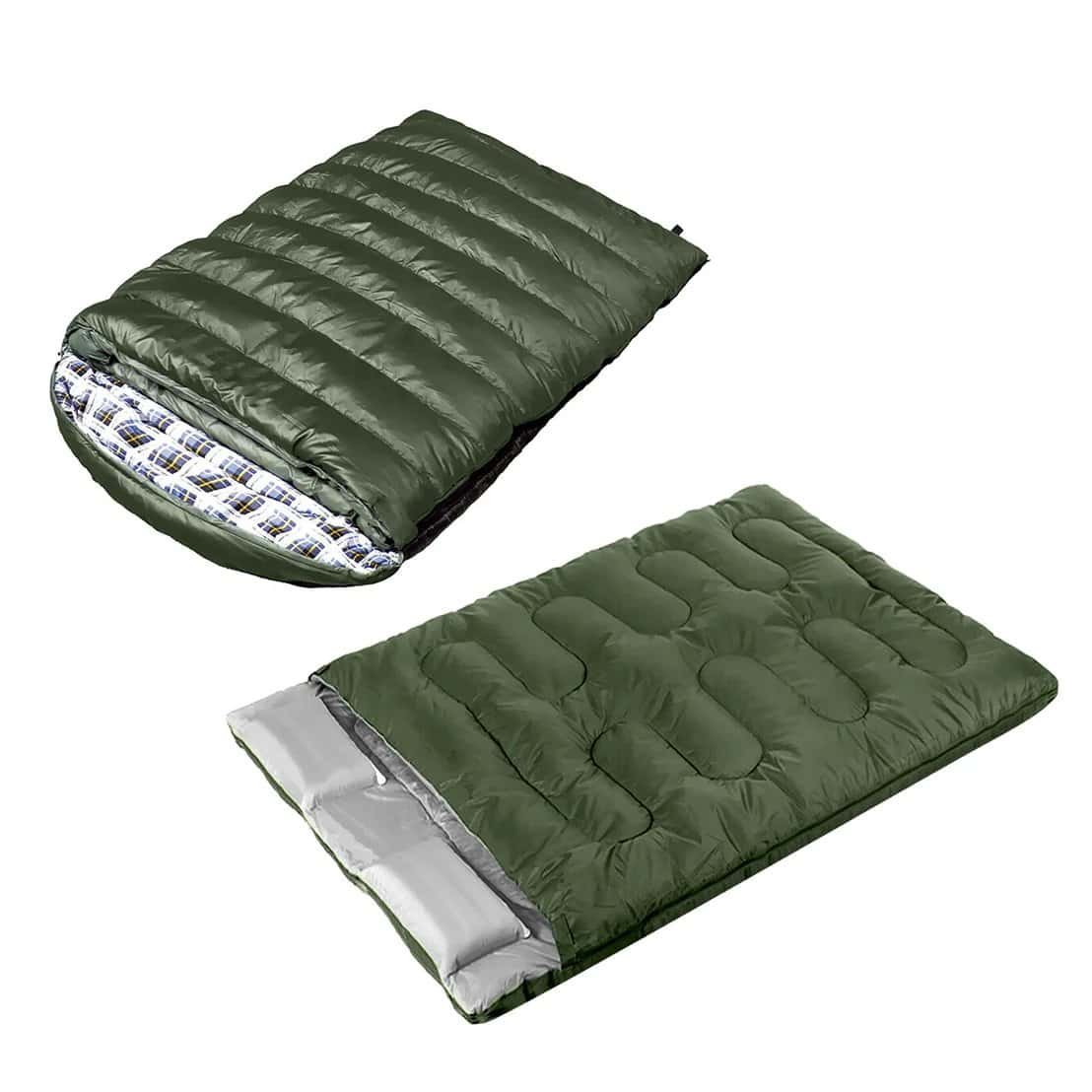
Private Label MOQ & Lead Times
Private Label MOQ & Lead Times: What the Brochures Don’t Tell You
Every Chinese factory brochure quotes 30-45 day lead times and MOQs of 300-1000 pieces. That is the marketing version. The reality depends entirely on how much customization you are demanding and whether the factory actually owns the production slots you need. Our sourcing data across 17 core factories shows a predictable pattern: standard spec bags ship on time about 70% of the time; heavily customized first orders run late on 40% of projects.
The Real MOQ Breakdown for Sub-Zero Sleeping Bags
The MOQ is not a single number. It is a function of three variables: shell fabric customization, fill type, and whether you need certified EN 23537-1 testing per SKU. Here is what we see across actual production runs:
- Stock fabric + standard down mix: MOQ starts at 300 pieces per SKU. Factories running standard 20D Ripstop Nylon and 650-700 FP duck down can batch these efficiently. Lead time: 30-35 days from deposit confirmation.
- Custom shell color + 800 FP goose down: MOQ jumps to 500-800 pieces per SKU. Fabric dyeing requires minimum roll commitments, and 800 FP goose down is typically sourced per order, not held in bulk. Lead time: 40-50 days.
- Full custom build with EN 23537-1 certification: MOQ of 1000 pieces per SKU is standard. The testing lab fees ($1,500-$3,000 per SKU) and the need to stabilize production for the thermal audit mean factories will not run small batches. Lead time: 55-70 days for the first order, including the 2-week testing window.
The Hidden Cost of Low MOQs: Factory Test Manipulation
A factory offering 100-piece MOQs on a sub-zero bag should raise immediate red flags. Low-tier factories skip legitimate EN 23537-1 testing to hit those numbers. The cheaper route: they run the thermal test with the bag laid completely flat and the zipper open. That eliminates cold spots and inflates the ‘Comfort’ rating by up to 8°C. A bag that tests at -18°C flat may only perform at -10°C when cinched in a sleeping position. If you stock that bag with a ‘-20°C’ label, you are carrying a product that fails in real-world field conditions. The return rate and liability hit your P&L, not theirs.
Sample Policy: How to Verify Before You Commit
Paid samples are standard in this category. Our policy: samples are charged upfront, with the cost refundable upon bulk order confirmation. For sub-zero bags, request three specific verifications on the sample:
- Measure the hood draft collar circumference when cinched. If it exceeds 35cm, the bag cannot hold heat around the face, regardless of what the label claims. Most generic factories cut 40cm hoods to save on fabric and baffle complexity.
- Weigh the bag. A true 800 FP down sub-zero bag (comfort rated to -18°C) in a size regular will weigh between 1,200 and 1,600 grams. If the sample is under 1,000 grams, the fill weight is too low to meet the rating.
- Request the IDFL test report for the down batch used in your sample. Not a generic certificate — the specific lot report. Down blending fraud (mixing duck into goose down) is common in Tier-2 factories, and the only way to catch it is batch-level testing.
Lead Time Reality Check: What Stalls Production
Standard production time is 30-45 days, but three factors consistently cause delays: fabric availability (custom-dyed 20D Ripstop Nylon requires 10-14 days for the mill run), third-party testing scheduling (EN 23537-1 labs book out 2-3 weeks in peak season), and payment timing. Our payment policy for new clients or orders over $3,000 requires a 30% deposit to start production, with 70% due before shipment. If the deposit is delayed by even a week, the entire production slot can shift, pushing delivery 20-30 days later. Repeat clients with established payment history get priority scheduling and negotiable terms.
Cost Trade-Off: Down vs. Synthetic at Wholesale
High-fill-power goose down bags cost 40-50% more at wholesale than hollow fiber synthetic equivalents. The synthetic alternative adds 200-300 grams to packed weight, which is a meaningful penalty for alpine and ultralight buyers. For a private label sub-zero bag at 1,000-piece MOQ, the per-unit delta is typically $18-$25 at wholesale. That margin difference must be weighed against your target retail bracket and customer expectations. If your customer base expects lightweight performance and is willing to pay a premium, down is the clear call. If you are chasing a price-sensitive seasonal camper, synthetic with a properly rated EN 23537-1 label can work — but verify the test data just as aggressively.
Bottom Line: The cheapest per-unit price on a sub-zero sleeping bag will cost you more in returns and brand damage. Budget for legitimate EN 23537-1 testing, batch-level IDFL reports, and a MOQ that gives the factory room to build the bag correctly. That is how you protect your margin and your reputation.
Conclusion
Sourcing a true sub-zero sleeping bag requires more than a marketing label. Insisting on an EN/ISO 23537-1 Comfort rating of -18°C, 800+ fill power down, a 3D draft collar under 35 cm, and independent IDFL testing for every bulk batch directly protects your retail margins and brand reputation from the cost of returns and safety failures.
Review your current supplier’s test reports against these benchmarks, or contact us to request a detailed spec sheet and sample of our custom mummy sleeping bag built to these exact standards.
Frequently Asked Questions
How to read sleeping bag temperature ratings?
To accurately evaluate a sleeping bag, ignore marketing claims and verify the EN/ISO 23537-1 tag, which provides standardized ‘Comfort,’ ‘Lower Limit,’ and ‘Extreme’ ratings. A true sub-zero bag must have a ‘Comfort’ rating of -18°C or lower to ensure safety for cold sleepers in extreme conditions. As a B2B partner, Kelyland Outdoors can source or produce bags with certified ratings through our ISO 9001:2015 partner factories, ensuring precise labeling and quality control. We help clients align product specifications with target markets and end-user safety requirements.
0°F or 5°F bag?
For sub-zero conditions, a 0°F (-18°C) bag is significantly better than a 5°F (-15°C) bag, offering approximately 15-20% more insulation density to handle colder temperatures safely. Stocking the 0°F bag also reduces retail liability and returns from extreme-weather dissatisfaction. Kelyland Outdoors supports this with flexible OEM/ODM capabilities: we can adjust fill weight, fabric, and baffle design to achieve exact temperature ratings, with MOQs as low as 50-100 pieces for testing. Our 1.5-million-unit-per-year sleeping bag factory in Zhenjiang ensures consistent quality and fast lead times.
Best temperature rating for a sleeping bag?
For general three-season retail, a ‘Comfort’ rating of +5°C to +10°C is ideal, covering most spring-to-fall camping. For sub-zero alpine or winter inventory, the ‘Comfort’ rating must be -18°C or lower, paired with an ‘Extreme’ rating below -40°C for survival margin. Kelyland Outdoors can customize bags across this full range using either 900+ fill power goose down or premium synthetic fibers, tailored to your brand’s target climate. With our strategic factory network and ISO 9001:2015 certifications, we ensure every bag meets the specified temperature performance consistently.
Warmest sleeping bag rating?
The warmest expedition-grade sleeping bags achieve an ‘Extreme’ rating of -60°C (-76°F), typically using 900+ fill power goose down and dual-layer construction with offset baffles. These are low-volume, high-margin niche items ideal for specialized mountaineering retailers. Kelyland Outdoors can produce such bags through our OEM/ODM services, leveraging our sleeping bag factory’s expertise in premium down sourcing and advanced thermal design. With flexible MOQs as low as 50-100 pieces and a 30-45 day lead time, we enable clients to test this category without large inventory risk.
Summer sleeping bag temperature?
Summer sleeping bags should have a ‘Comfort’ rating between +10°C and +15°C to prevent overheating and condensation issues. Stocking bags rated below +5°C for summer use leads to high return rates as customers find them too warm. Kelyland Outdoors recommends and can produce lightweight, breathable summer models using thin synthetic fills or unlined nylon shells, with customization options for colors, patterns, and branding. Our flexible supply chain allows for small-batch orders, helping retailers match seasonal demand precisely.

 English
  Español
  Deutsch
  Français
  Português do Brasil
  Русский
  العربية
  한국어
한국어  日本語
日本語