 跳到内容
跳到内容 
When you’re writing a purchase order for private label tents, the tent warranty terms probably land in the same mental bucket as the fine print on a phone contract — something to sign off on and forget. But if you’ve spent any time in category management, you know that forgotten fine print has a habit of showing up in your gross margin line at the worst possible moment, usually right after a seasonal sell-through when return rates spike and consumer complaints land on your desk.
The reality is that standard OEM warranty language — “1-year limited to defects in materials and workmanship” — looks clean on paper but leaves three specific cost exposures that most novice buyers never model into their landed cost spreadsheets. First, the warranty explicitly excludes pin holes, punctures, and abrasions from shipping, yet those account for over 60% of consumer tent complaints. Second, replacement shipping charges, duties, and fees are pushed 100% to the retailer under standard agreements. Third, non-transferable clauses knock 15–20% off secondary market resale value. Each of these is a direct leak in the margin bucket, and they are entirely preventable if you know where to look in the contract.
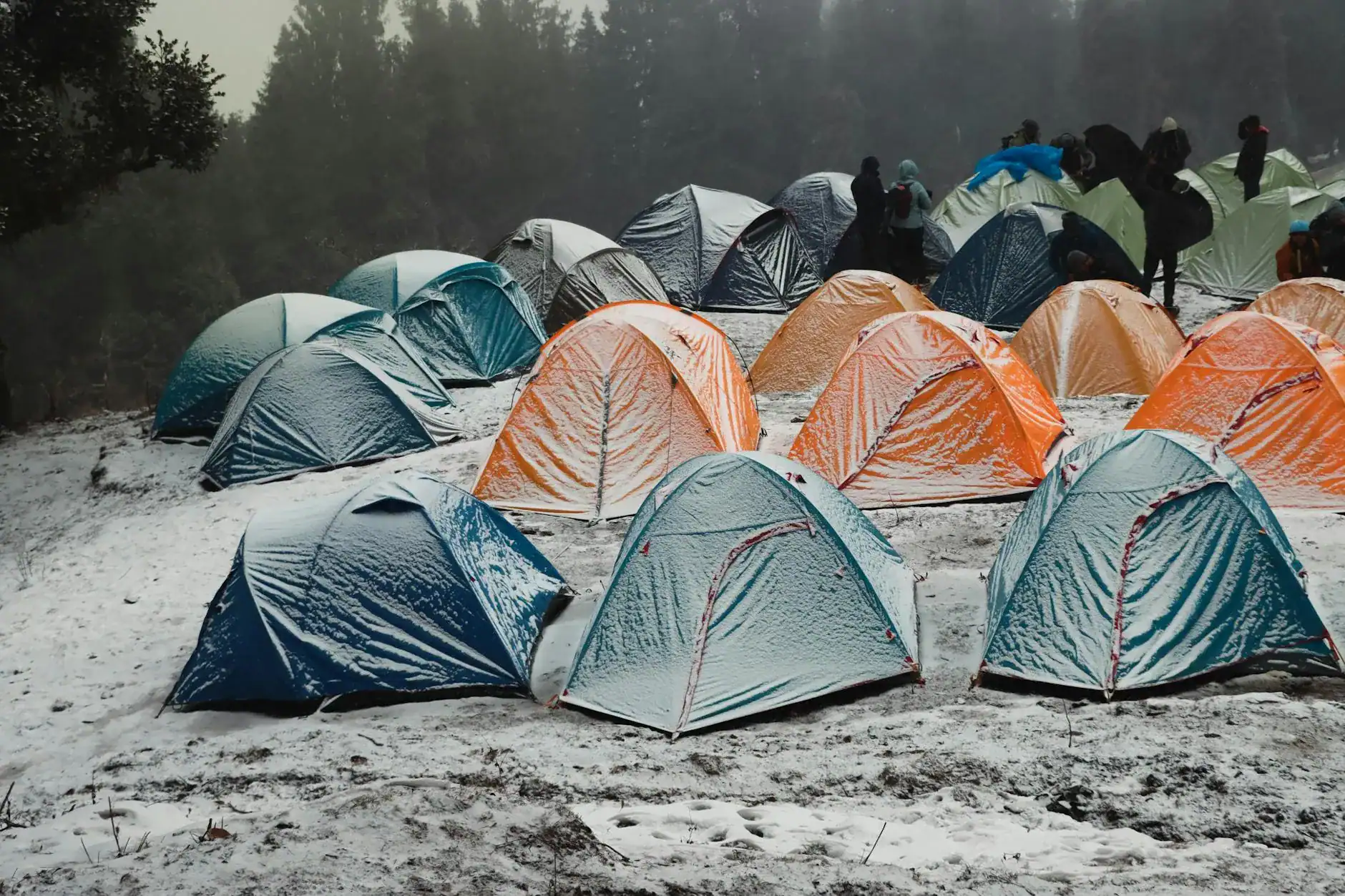
1-Year Warranty vs Retail Margin Risk
The standard 1-year warranty window from OEMs runs from the consumer purchase date. That sounds reasonable until you map it to seasonal retail cycles. A tent sold in March and returned in September for a defect discovered in August still falls inside the window — but you’ve already turned inventory and booked the margin. Now you’re cutting a refund check while the manufacturer sits on a free claim window.
The real risk is timing: your warranty liability peaks 6–9 months after the PO is placed, often after your seasonal quality check has concluded. To model this accurately, add a line item to your landed cost spreadsheet called “warranty reserve.” Calculate it as: (defect rate assumption) × (FOB unit cost + expected freight + duties). For a $30 FOB tent with 2% defect rate and $15 freight, reserve $0.90 per unit. If the actual rate hits 5%, you’re under-reserved by $1.80 per unit — a $18,000 hit on a 10,000-unit buy.
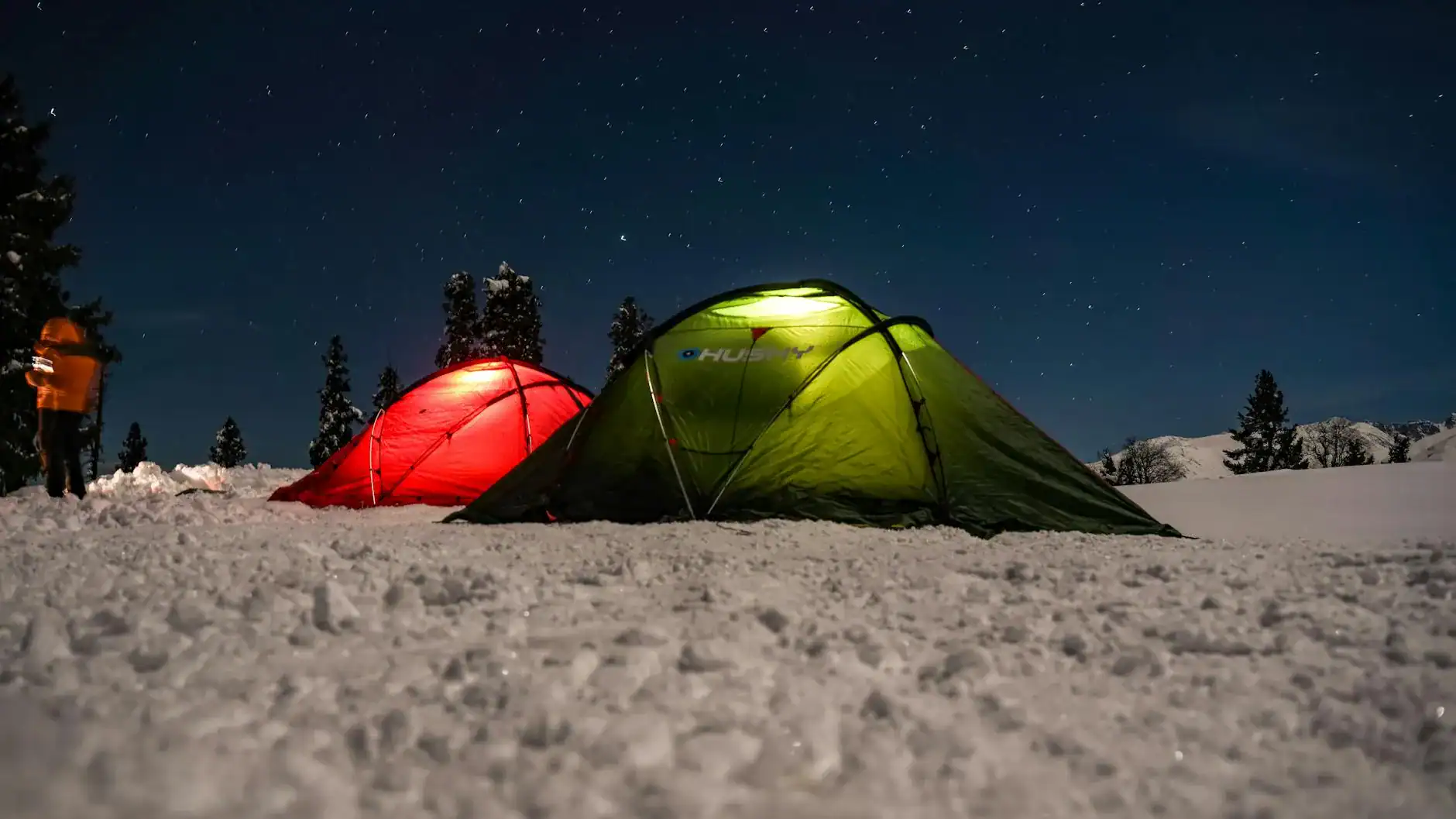
Excluded Damages: The Hidden Liability
Standard OEM tent warranties cover exactly 1 year from purchase date for materials and workmanship only. The hidden financial liability lies in exclusion clauses and shipping costs that novice category managers never model into their landed cost calculations.
-
- Direct Answer: Standard OEM tent warranties cover only 1-year limited defects in materials and workmanship, explicitly excluding acts of nature and shipping damage.
- Cost Insight: Retailers typically absorb 100% of inbound and outbound freight, duties, and processing fees for warranty replacements, eroding gross margins by 2-5% on high-return SKUs.
- Engineering/Quality Gap: Competitors explicitly exclude “pin holes, punctures, or abrasions” but leave the burden of proof on the retailer, forcing you to eat the cost of consumer returns caused by poor factory packaging.
Who Pays Shipping on Defect Claims?
The question of who pays shipping on tent warranty claims is the single most impactful variable in your total warranty liability.
Under standard agreements, 100% of replacement shipping charges, duties, and fees are pushed to the retailer. ETI’s warranty explicitly states this. Calculate the true cost: A replacement pole for a 4-person tent costs $12 at factory cost. International freight is $45. Customs brokerage is $8. Total claim cost: $65. If the retailer sold the tent for $150 at 40% margin ($90 gross margin), this single claim eats 72% of the profit from one unit. To negotiate prepaid return labels into vendor agreements, require an RMA (Return Material Authorization) label program in your PO terms. Specify “FOB Destination” for warranty replacements, shifting the logistics cost to the OEM. Without this, the OEM has no financial incentive to reduce defect rates, and every valid claim becomes a margin-destroying event.

Transferable Warranties: A Retailer Advantage
Non-transferable warranties limit secondary market value by 15-20% and damage retailer brand perception when the second owner gets denied service.
Standard OEM clauses state “non-transferable to original purchaser only.” This protects the factory from multiple claims but hurts the retailer’s brand equity in the secondary market (e.g., REI Used Gear, Facebook Marketplace, garage sales). A customer who buys a used tent and can’t get warranty service blames the retail brand, not the OEM. For a transferable tent warranty for retailers, negotiate a 2-year transferable clause. The cost to the OEM is minimal—the statistical failure rate doesn’t change significantly between first and second owner—but the perceived value to the end consumer is substantial. It signals confidence in the product. This is a low-cost, high-value differentiator for your private label line.
FAQ: Tent Warranty Terms
What are the basic terms of a warranty?
A warranty is a contractual promise regarding the quality or functionality of a product. In OEM tent manufacturing, this typically means a 1-year promise to repair or replace items with defects in materials and workmanship.
Do warranties have terms and conditions?
Yes. Under frameworks like the Magnuson-Moss Warranty Act, terms must be clearly disclosed. In B2B private label agreements, these T&Cs define claim windows, excluded damages (wear/tear, acts of nature), and who pays freight for replacements.
What are my rights under a warranty?
As a B2B buyer, your rights are governed by your specific vendor contract, not consumer law. You have the right to reject defective goods, but only if you document them within the agreed inspection window and prove the defect originated from the manufacturing process.
What are the 3 C’s in warranty?
Complaint, cause, and correction. This is the mandatory framework for submitting warranty claims. To avoid OEM denials, retailers must document the exact customer complaint, identify the root cause (factory defect vs user error), and specify the required correction (part vs full replacement).
What is not covered in warranty?
Standard tent warranties exclude normal wear and tear, UV degradation, wind/storm damage (acts of nature), pinholes, punctures, abrasions from shipping/storage, and any modifications made after leaving the factory.
View private label camping tent manufacturing options.
Buyers will find detailed specs for 3-season, 4-season, and glamping tent models, including material breakdowns (190T/210T polyester, 7001/8001 alloy poles) and direct OEM inquiry options for custom branding.
Learn More →The “3 Cs” Framework: Your Leverage Tool
Ignore the typical supplier contract language for a moment. Instead, demand a “Complaint, Cause, Correction” clause in your purchase order. Here is how it works: When a consumer returns a tent with a pinhole or a zipper failure, your team documents the exact complaint, identifies the root cause (factory defect vs. user error), and specifies the required correction (part replacement vs. full unit swap). You then submit those three pieces to the OEM.
The power shift is this: Under the standard framework, the burden of proof sits with you. You have to fight for every claim. Under the “3 Cs” clause written into your PO, the OEM must either accept your documented complaint, cause, and correction—or they must prove, with their own inspection, that the damage was not a result of the manufacturing process. This flips the liability chain. It forces the factory to validate or reject your claim based on physical evidence, not boilerplate exclusion language. This is not a common practice among competitors. It is a direct contract negotiation tactic that insiders use to protect margins on high-volume deals.

Excluded Damages: The Hidden Liability in Your Spreadsheet
Read the fine print. Every standard OEM contract excludes “acts of nature, normal wear and tear, pinholes, punctures, abrasions, and damages incurred during shipping or storage.” That sounds reasonable until you realize that over 60% of consumer tent complaints fall into exactly these categories. You will hold the bag for a consumer who returns a tent with a ripped fly after a windstorm or a sun-damaged floor that degraded after three weekends of use.
The specific problem is the phrase “pin holes, punctures, or abrasions during shipping.” The OEM is telling you, “We exclude damage caused by poor packaging.” But they won’t tell you that their own factory packaging is the root cause of the abrasion. In a standard agreement, you pay for the return, you pay for the replacement, and the OEM hands you a blanket denial referencing their own exclusion clause. The only way to close this gap is to add a clause in your MSA that states: “Any damage arising from the manufacturer’s standard packaging method shall be deemed a manufacturing defect.” That forces the factory to guarantee their own cardboard and foam, not just their sewing.
Additionally, standard warranties are non-transferable. They tie coverage to the original purchaser only. For a retailer selling via a marketplace, or managing a secondary channel, that clause devalues your inventory. Market research shows that a non-transferable warranty reduces secondary market value by 15–20%. If you are sourcing for a national chain with a robust clearance or outlet strategy, you need transferable coverage. Ask your supplier for a 2-year transferable warranty. The marginal cost to the factory is near-zero—they already have the liability modeled—but it gives you a significant negotiating lever on brand perception.
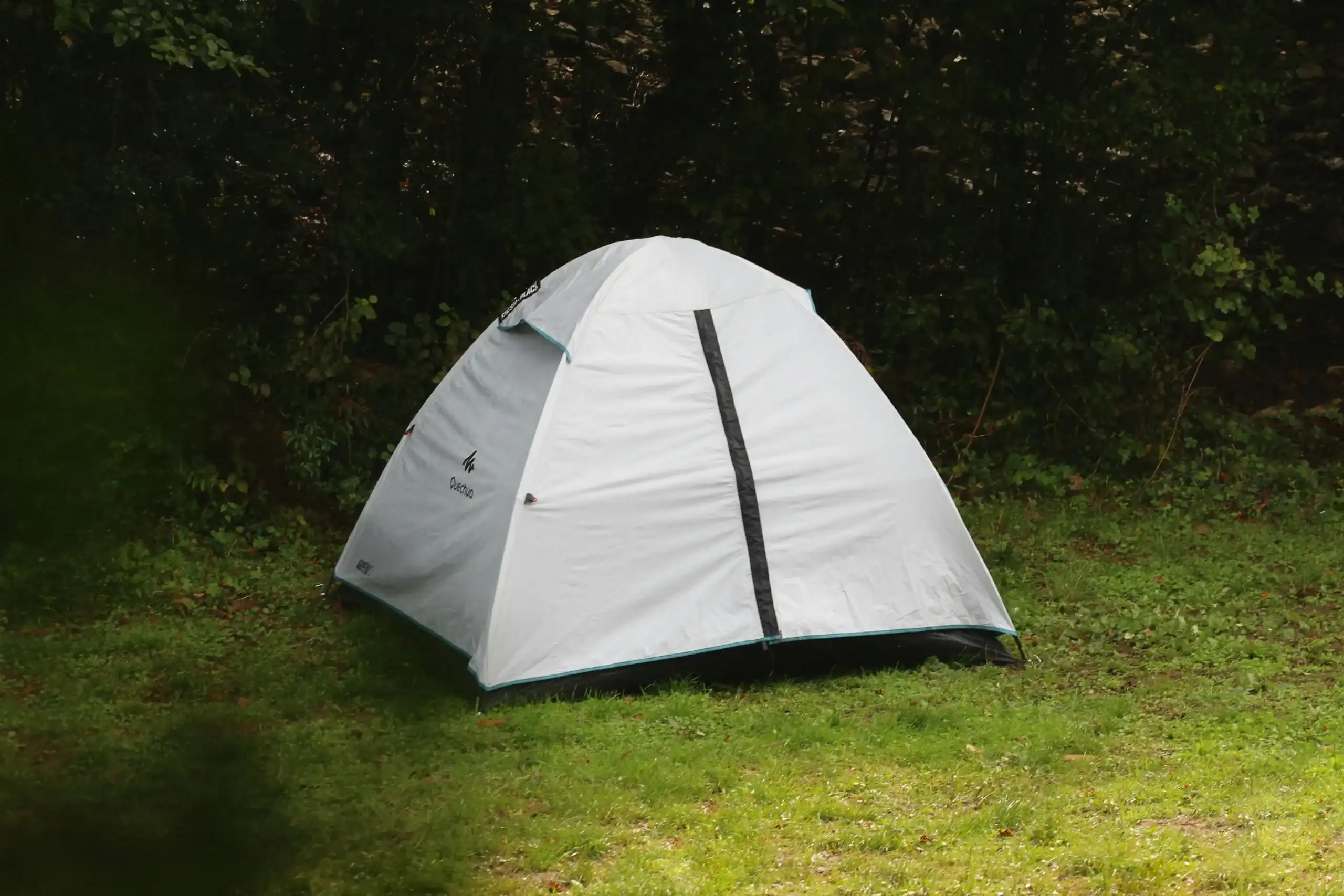
Conclusion
Tent warranty terms are not just consumer-facing promises; they are financial liabilities that directly impact retail margins. Understanding the precise exclusions and shipping cost allocations is essential to avoid eroding 2-5% of gross margin on high-return SKUs.
For a direct-factory partner that offers transparent OEM agreements and margin-friendly warranty structures, review the private label camping tent options available today.
Frequently Asked Questions
What are the basic terms of a warranty?
A warranty is a contractual promise covering defects in materials and workmanship, typically for one year from the consumer purchase date. Standard OEM tent warranties explicitly exclude acts of nature. Always confirm the exact coverage window and exclusions in your vendor contract.
Do warranties have terms and conditions?
Yes. Under frameworks like the Magnuson-Moss Warranty Act, terms must be clearly disclosed, but in B2B private label contracts, your specific vendor agreement dictates conditions. Review the full T&C before signing any purchase order.
What are my rights under a warranty?
As a B2B buyer, your rights are governed by your specific vendor contract, not consumer law. You have the right to receive replacement or credit for confirmed defects, but you carry the burden. Negotiate a shared freight clause to protect your margin.
What are the 3 C’s in warranty?
Complaint, cause, and correction — this is the mandatory framework for submitting warranty claims. To avoid OEM denials, retailers must document each C with photos, batch numbers, and a clear timeline. Set up a standard claim log before your first shipment lands.
What is not covered in warranty?
Standard tent warranties exclude normal wear and tear, UV degradation, wind or storm damage (acts of nature), pinholes, punctures, and abrasions. These broad exclusions leave retailers liable for consumer returns. Add contract language narrowing ‘acts of nature’ to verified catastrophic events only.

 English
  Español
  Deutsch
  Français
  Português do Brasil
  Русский
  العربية
  한국어
한국어  日本語
日本語