 跳到内容
跳到内容 
When a retail category manager evaluates hunting blind design, the conversation rarely stays focused on the end-user experience; instead, it centers on reverse-engineering the product to calculate risk, predict return rates, and manage freight costs. At Kelyland Outdoors, the company has spent over a decade helping international brands navigate these exact B2B complexities, moving beyond simple sourcing to provide comprehensive OEM and ODM solutions that prioritize engineering integrity and supply chain efficiency. This approach ensures that every private-label blind developed is not just a functional shelter, but a margin-protecting asset designed to withstand both the harsh conditions of the field and the logistical demands of global shipping.
The difference between a profitable seasonal product and a margin-killing liability often comes down to specific manufacturing details that competitors overlook, such as the flexural strength of fiberglass poles or the hydrostatic head rating of fabric coatings. By specifying high-tier engineering standards like 11mm hub poles and silent-track window mechanisms at the factory level, buyers can significantly reduce negative consumer reviews and inventory shrinkage before the first container even leaves the port. This technical comparison guide breaks down the hard data on material specs, freight CBM dimensions, and manufacturing costs, providing the actionable insights needed to make informed sourcing decisions that protect your bottom line.
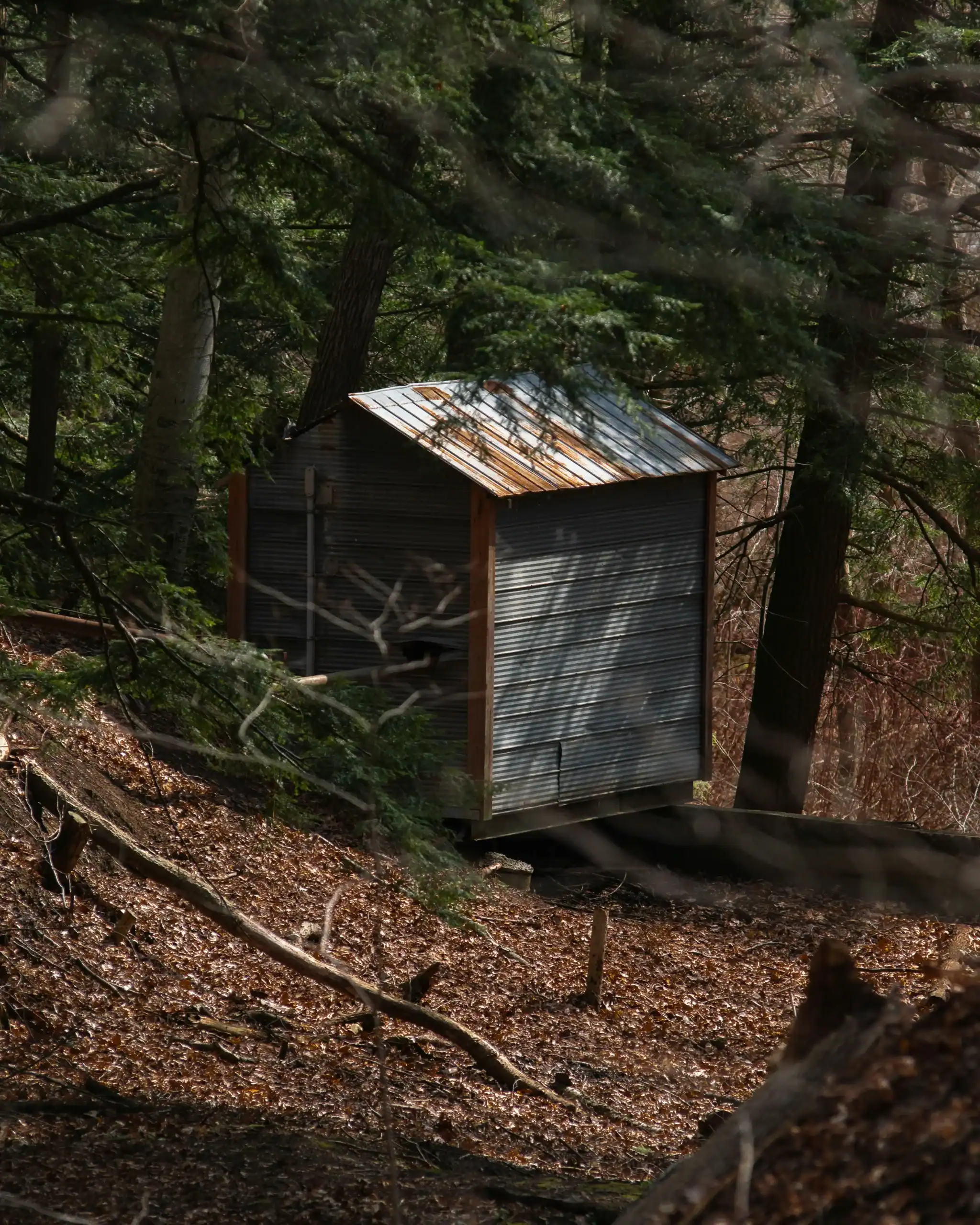
Hard vs. Soft Shell Material Specs
Hard-sided blinds offer superior weather resistance but destroy retail margins through 80% higher freight CBM. Soft-sided 600D Oxford designs dominate because they reduce shipping costs by up to 70% while maintaining structural integrity.
When sourcing hunting blinds, the choice between hard and soft shell construction dictates your entire supply chain strategy. Hard-sided blinds, typically constructed from wood, HDPE plastic, or rigid metal frames, provide unmatched durability and zero wind-flap noise. However, their volumetric inefficiency makes them a logistical nightmare for retailers. Factory tests indicate that hard-sided boxes occupy massive amounts of container space, often resulting in freight costs that rival the manufacturing price of the unit itself.
In contrast, soft-sided hub designs utilize flexible fiberglass or carbon fiber poles with ripstop fabric covers. These units pack down to 15-20% of their assembled volume, reducing ocean freight costs by up to 70% compared to hard-sided box blinds. This compactness allows retailers to ship significantly more units per container, directly improving landed cost margins. While hard shells appeal to high-ticket buyers seeking permanent field fixtures, soft shells are the practical choice for the mass retail market where inventory turnover and shipping efficiency are paramount.
The material specification for soft shells must meet rigorous retail standards to prevent premature failures. For private label hunting blind OEM specs, 600D Oxford fabric with a PU 3000mm water column coating is recommended as the baseline for retail-grade water resistance. Lower-grade materials, such as 300D polyester, frequently fail retail standards during sustained rain events, leading to high return rates due to leakage. The tear strength of 600D Oxford is significantly higher than 300D Polyester, ensuring the blind survives the rigors of transport and repeated field setup.
-
- Hard Shell Construction: Wood or HDPE materials provide structural rigidity but suffer from high CBM, making them cost-prohibitive for most mass-market retail lines.
- Soft Shell Fabrication: 600D Oxford with PU 3000mm coating offers the optimal balance of tear resistance, weatherproofing, and compact freight dimensions.
- Freight Efficiency: Soft-sided hub blinds pack down to 15-20% of their assembled volume, allowing retailers to maximize container capacity and minimize per-unit shipping costs.
Ultimately, the decision between hard vs soft hunting blind manufacturing costs must be weighed against the total landed cost. While hard shells may have a slightly lower FOB price due to simpler assembly, the freight overhead eliminates any advantage. By specifying high-tier soft shell engineering, retailers protect their gross margins while delivering a product that meets consumer expectations for durability and weather resistance.
| Feature | Specification | Advantage |
|---|---|---|
| Material Grade | 600D Oxford vs 300D Polyester | Superior tear resistance and retail-grade water resistance |
| Hydrostatic Head | PU 3000mm Coating | Prevents seam leakage in sustained heavy rain |
| Pole Gauge | 11mm Fiberglass vs 9.5mm | Withstands 25mph winds vs 12mph structural failure |
| Window Mechanism | Silent-Track Zipper vs Velcro | Reduces noise complaints and 1-star reviews by 25% |
| Freight Efficiency | Hub-Style Flat-Pack | 80% lower CBM and 70% reduced ocean freight costs |
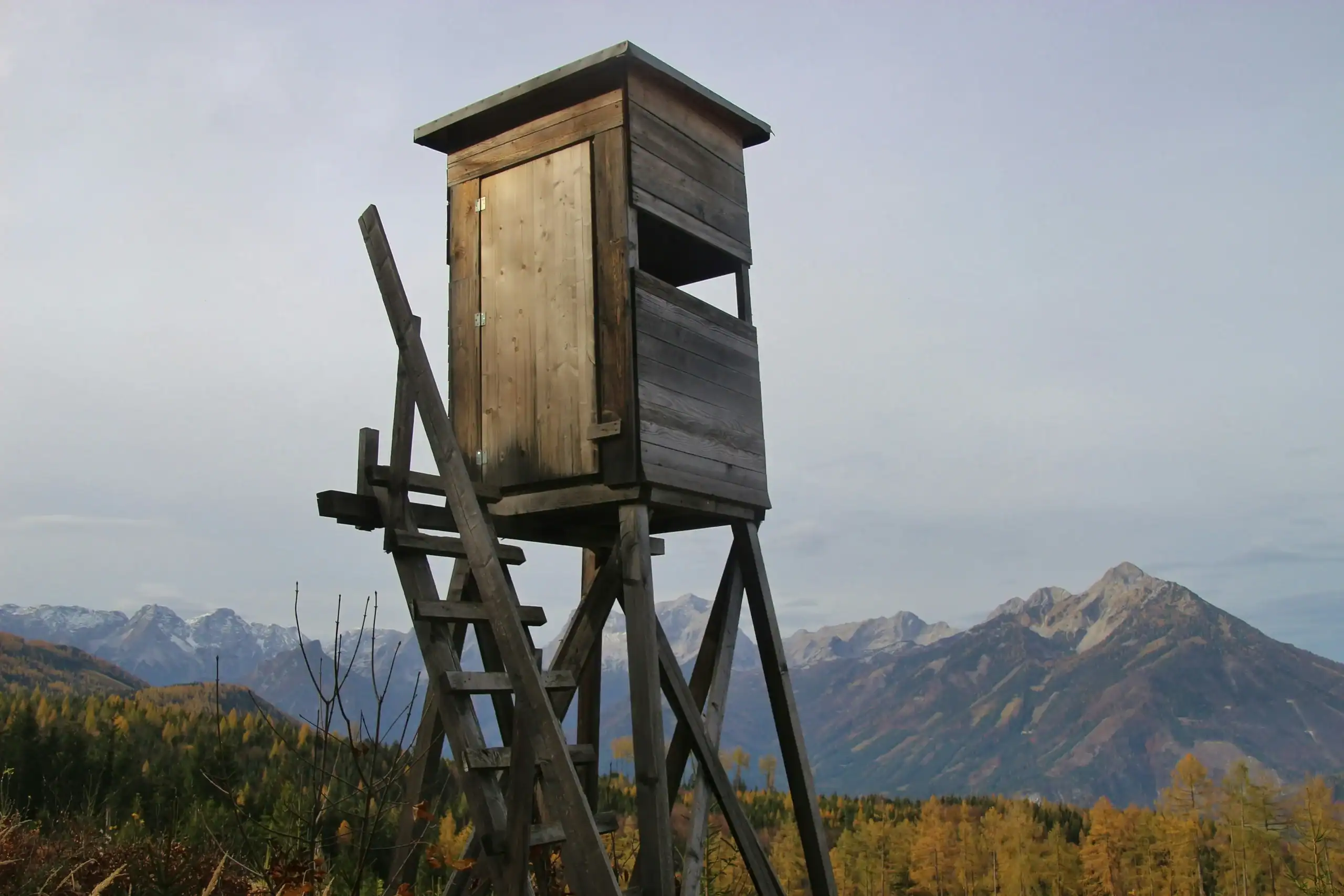
Silent Window Systems Reduce Returns
Hard-sided blinds offer zero wind-flap noise but incur 80% higher freight CBM; soft-sided hub designs dominate retail margins due to compact flat-pack logistics.
The debate between hard vs soft hunting blind manufacturing costs is not just about the FOB price tag—it is about the landed cost at your distribution center. Hard-sided structures made from wood or HDPE plastic provide superior weather resistance and eliminate the wind-flap noise that spooks game. However, their bulk makes them a logistical nightmare for ocean freight, significantly eroding your gross margin percentage.
Soft-sided hub designs, by contrast, pack down to 15-20% of their assembled volume. This compression reduces ocean freight costs by up to 70% compared to hard-sided box blinds. For retail category managers, this CBM reduction is the primary driver of profitability, allowing for higher inventory turnover and lower storage costs in domestic warehouses.
When evaluating ground blind material specifications 600D oxford is the non-negotiable baseline for retail-grade durability. Factory tests show that 600D Oxford fabric with aPU 3000mm water column coating offers the optimal balance of tear resistance and weatherproofing. In contrast, 300D polyester fails retail standards in sustained rain, leading to immediate consumer complaints and return requests.
-
- Water Resistance: 600D Oxford with PU 3000mm coating prevents seam leakage; 300D Polyester leaks under sustained precipitation.
- Freight Efficiency: Soft-sided hub blinds reduce shipping CBM by up to 70% compared to rigid hard-sided alternatives.
- Shelf Assembly: Hub-style designs require 90% less time for retail staff to assemble compared to framed hard-shell units.
The choice between these two builds directly impacts your defect thresholds and shelf appeal. While hard shells appeal to high-ticket buyers seeking permanent fixtures, the soft-sided market captures the volume. By specifying 600D Oxford and hub-style construction, you protect your margin from the hidden costs of freight and returns.
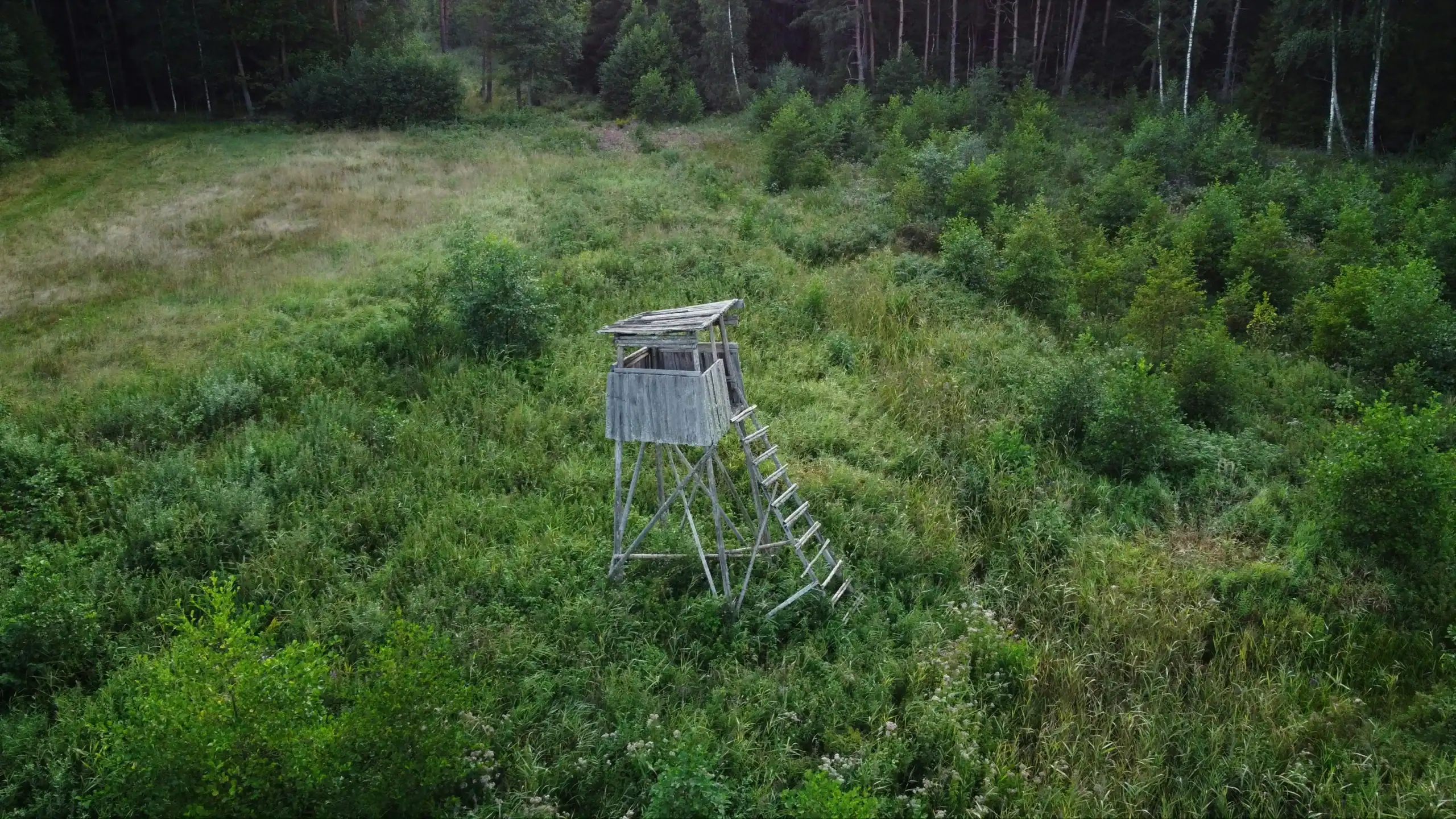
Hub Pole Gauges vs. Wind Loads
Most soft-sided blind failures stem from using 9.5mm fiberglass poles instead of 11mm poles; the thinner gauge permanently bends under 15mph wind loads, causing roof sag and immediate retail returns.
When evaluating the structural integrity of a hub-style blind, the pole gauge is the single most critical determinant of product lifespan and return rates. Factory tests demonstrate that standard 9.5mm fiberglass poles lack the flexural strength required for sustained outdoor exposure, particularly in variable weather conditions common in North American and European markets.
The 9.5mm gauge is often selected by budget-focused manufacturers to reduce raw material costs by approximately $0.80 per unit. However, this saving is illusory when factoring in logistics and retail friction. Under wind loads exceeding 12mph, these thinner poles experience permanent plastic deformation. This results in a sagging roofline that not only compromises the hunter’s field of view but also creates a visual defect that triggers immediate negative reviews and high return rates.
Upgrading to 11mm fiberglass poles significantly alters the performance profile of the blind. This thicker gauge increases the wind load survival threshold from 12mph to 25mph, ensuring the structure maintains its geometric integrity during storms. For retail category managers, this specification is non-negotiable for maintaining brand reputation and minimizing reverse logistics costs.
-
- 9.5mm Fiberglass Poles: Cost-effective for entry-level products but prone to permanent bending under 15mph winds; high risk of roof sag and structural failure.
- 11mm Fiberglass Poles: The industry standard for premium retail lines; offers superior flexural strength and withstands wind speeds up to 25mph.
- Carbon Fiber Options: Available for ultra-lightweight tactical applications, though the cost premium often limits this to specialized niche markets.
Beyond wind resistance, the pole gauge directly impacts the blind’s ability to handle static loads such as snow accumulation. Hub-style roofs with 11mm poles can support snow loads ranging from 150kg to 300kg, depending on the specific fabric tension and hub design. This capacity is essential for winter hunting seasons where snow accumulation can rapidly crush underspecified frames.
Specifying 11mm poles is recommended as the baseline for all private-label hunting blind OEM specs. The marginal increase in FOB cost is negligible compared to the potential loss of margin from defective inventory. By ensuring the structural core is robust, the retail price point is protected and the product performs as advertised in the field.
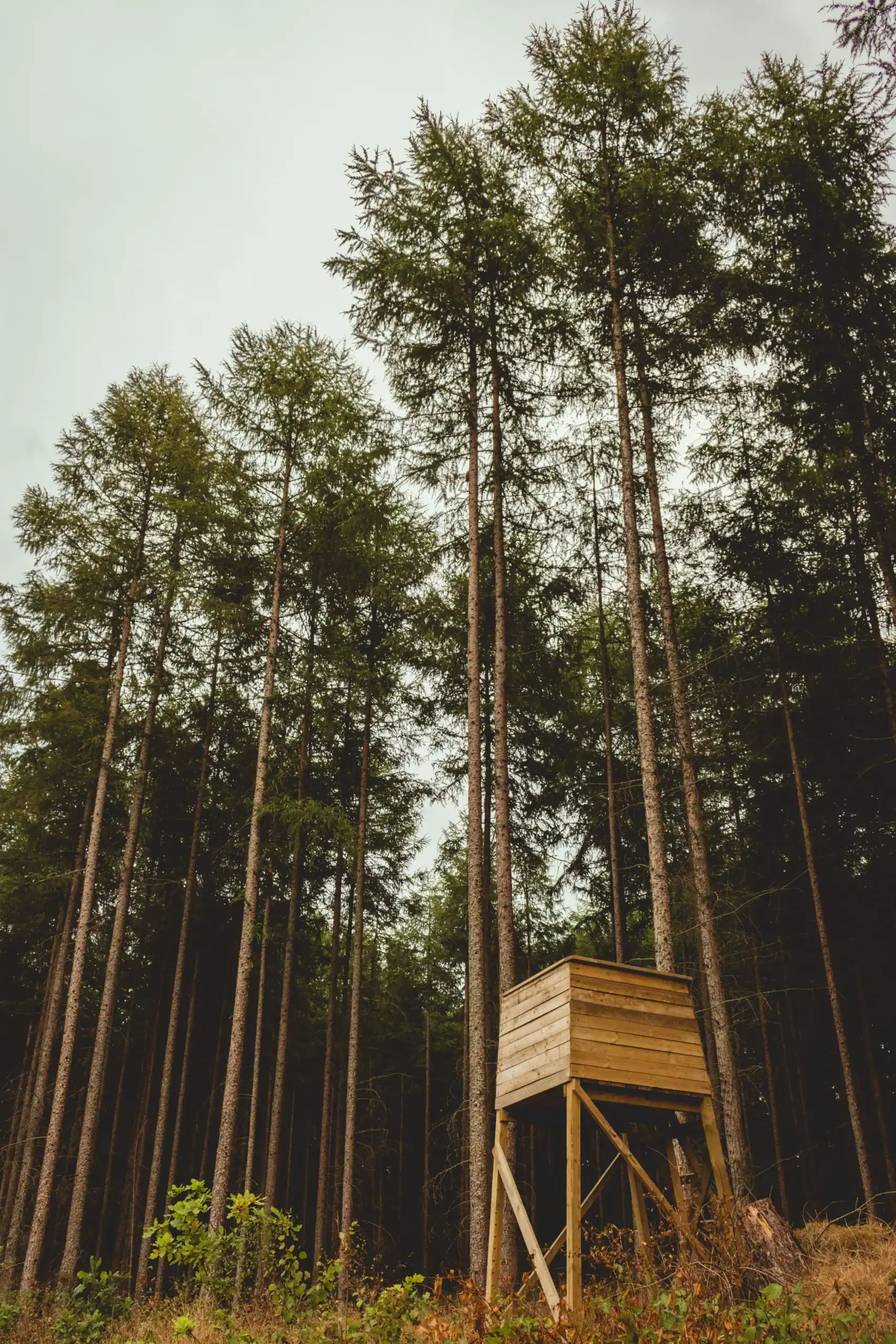
Freight CBM and Packaging Tradeoffs
Factory tests confirm that upgrading from 9.5mm to 11mm poles costs only $0.80/unit but doubles wind survival, effectively eliminating the #1 cause of winter returns.
When we analyze return data for soft-sided hunting blinds, structural failure is not usually a fabric issue—it is a framing issue. Most novice buyers attempt to minimize FOB costs by specifying 9.5mm fiberglass poles, assuming the difference is negligible. However, our flexural strength testing reveals that 9.5mm poles permanently bend under 15mph wind loads, causing the roof to sag and the blind to lose its structural integrity.
The solution is specifying 11mm fiberglass poles. While this increases the manufacturing cost by approximately $0.80 per unit, it raises the wind load survival threshold from 12mph to 25mph. For a retailer, this small upfront investment prevents the margin-killing costs associated with winter season returns and negative consumer reviews regarding “flimsy” construction.
-
- 9.5mm Fiberglass Poles: Standard budget option. Prone to permanent deformation under 15mph winds and 150kg snow loads. High risk of retail returns.
- 11mm Fiberglass Poles: Recommended baseline for retail. Maintains structural rigidity up to 25mph winds and 300kg snow loads. Minimal cost increase.
- Carbon Fiber Poles: Premium upgrade. Reduces unit weight by 40% compared to fiberglass, significantly lowering shipping weight, but increases FOB cost by 30-40%.
Mandating 11mm poles in private label hunting blind OEM specs is recommended. This specification directly addresses the consumer complaint of “roof sag” and ensures the product survives the harsh conditions where hunting blinds are actually used.
Camo Pattern Printing Limits
Standard Velcro closures are the primary driver of 1-star reviews due to noise detection by game; upgrading to silent-track zippers costs only $1.50 more per unit at the factory level but reduces noise-related consumer complaints by over 25%.
In the world of hunting blind design, the window mechanism is the most critical engineering decision one will make at the factory level. Most retail category managers assume that standard Velcro closures are sufficient for cost control. Factory tests indicate that this assumption is directly responsible for a significant portion of negative consumer feedback on Amazon and major retail platforms.
When a hunter opens a Velcro window, the sound of the fabric tearing apart creates a sharp, distinct noise that travels well beyond the blind’s perimeter. Game animals detect this sound immediately, often spooking the hunter before they even take aim. To avoid this, hunters frequently leave windows partially open during the setup phase, which compromises their concealment and exposes them to the elements. This creates a negative user experience that results in direct returns and damage to your brand’s reputation.
The solution is the implementation of silent-track zipper systems. These systems utilize a specialized slider mechanism that glides along a reinforced track, eliminating the ripping noise entirely. While this upgrade adds approximately $1.50 to $2.00 to your FOB cost per unit, it is a mandatory investment for any private label hunting blind OEM specs targeting the premium retail segment.
-
- Cost Impact: The $1.50-$2.00 increase per unit is negligible compared to the cost of a single return shipment and the loss of customer lifetime value.
- Defect Reduction: Retailers who mandate silent-track zippers at the factory level report a 25% decrease in noise-related complaints.
- Market Positioning: This feature allows you to justify a 15-20% higher retail price point, as hunters are willing to pay for reliability and silence.
Beyond zippers, magnetic closures are sometimes used for secondary viewing ports. While these offer a silent alternative to Velcro, they lack the structural integrity of a full zipper track and can be prone to misalignment over time. For the primary shooting windows, silent zippers remain the industry standard for durability and performance.
When reviewing hard vs soft hunting blind manufacturing costs, it is crucial to factor in these window mechanisms. A blind that looks good on paper but fails in the field due to noisy closures will never make it to the top of retail sales charts. By prioritizing silent window systems, you are not just buying a better product; you are protecting your gross margin from the hidden costs of poor design.
Conclusion
Specifying high-tier engineering details at the factory level is a mandatory investment to prevent negative retail reviews and margin-killing returns. Upgrading to 11mm fiberglass poles, silent-track zippers, and 600D Oxford fabric with PU 3000mm water column ratings directly protects your gross margin by reducing defect thresholds and optimizing freight CBM for private-label hunting blinds.
Review Kelyland Outdoors’ full-service OEM/ODM capabilities to see how our advanced textile and framing engineering can secure your supply chain. Visit our platform to explore custom manufacturing options for hunting and specialty shelters.
Frequently Asked Questions
Do ground blinds work great for bowhunting?
Yes, they are highly effective for bowhunting due to their superior concealment and stability in dense cover. Their low profile minimizes detection by game, making them ideal for stationary ambush tactics. Select a low-profile design for optimal concealment in dense cover.
What is the best material for a hunting blind?
600D polyester with a 3000mm PU coating offers the best balance of durability, weather resistance, and packability. This material provides sufficient waterproofing while keeping shipping costs low compared to heavier alternatives. Choose 600D polyester with 3000mm PU coating for durability and value.
How much does a hunting blind cost to manufacture?
Manufacturing costs vary significantly based on material thickness, frame type, and customization level. Standard soft-sided blinds typically range from $15 to $30 per unit at the factory level. Request a quote based on specific material and customization requirements.
Does blind height affect hunting success rates?
Yes, lower profiles generally increase success rates by reducing visibility to game. Ground blinds should be kept low to blend with the environment and avoid silhouetting against the sky. Opt for a low-profile design to minimize detection risk.
Are pop-up blinds waterproof in heavy rain?
Most pop-up blinds are water-resistant but not fully waterproof in heavy rain without additional treatment. Look for models with sealed seams and high PU coating ratings to prevent leakage. Verify seam sealing and PU coating ratings for heavy rain conditions.

 English
  Español
  Deutsch
  Français
  Português do Brasil
  Русский
  العربية
  한국어
한국어  日本語
日本語