 跳到内容
跳到内容 
キッズ寝袋サイズガイドは、バイヤーがサプライヤー、予算、生産枠を承認する前に最初に確定すべきチェックポイントです。バイヤーのチェックリストの全項目がクリアできても — FOB価格、サンプル承認、品質許容範囲 — $50,000個のキッズ寝袋注文が返品の山に積まれる可能性があります。誰も確認しないチェックリスト項目は? その サイズロジック 自体です。このキッズ寝袋サイズガイドは、その盲点から始まります。なぜなら、量産前サンプルと量産ロットの間のギャップは、通常、縫製や生地ではなく、長さと幅だからです。.
子どもは、大人用サイズが前提とする直線的なカーブに沿って成長するわけではありません。10歳児は4フィート6インチの場合もあれば、5フィート0インチの場合もあります — 同じ年齢でも、SKUが2つに分かれます。ほとんどの輸入キッズバッグが失敗するのは、サプライヤーが大人用サイズのロジックを真似て、次のものを無視するからです。 成長スパート. 工場データによると、S/M/Lではなく、3つの異なるユース向け長さが解決策です。.
これを間違えた場合のコストは測定可能です。63%の親は、使用期間を延ばすためにキッズバッグを12インチ以上大きめに購入しており、その結果、実効的な暖かさが約22°F低下します。小売業者にとって、これは子どもが寒がるというレビュー、サイズ関連の返品、利益率の低下につながります — すべてサンプル承認時に誰も確認しなかった仕様に起因します。.
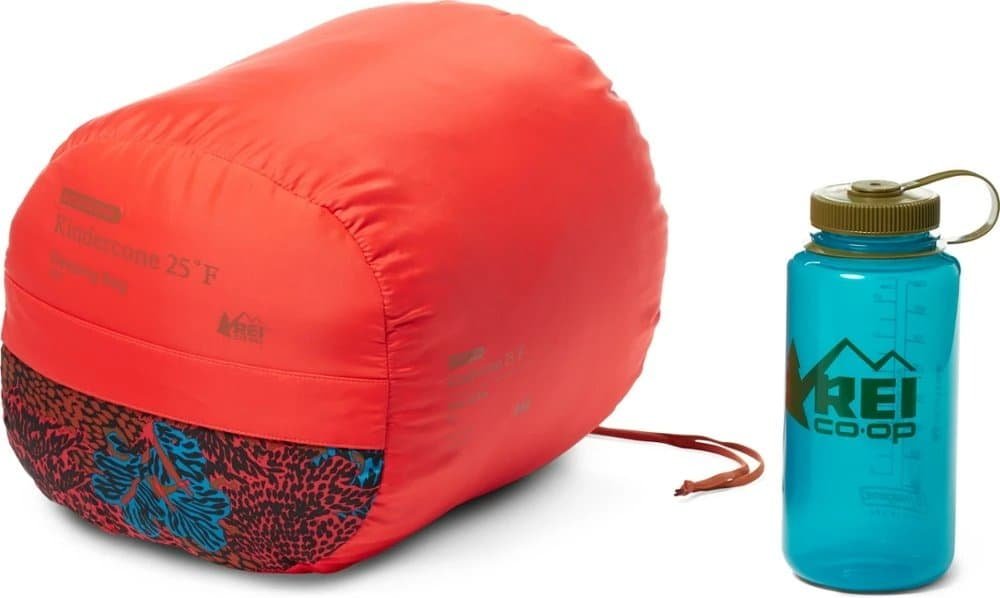
子どもに寝袋を合わせるための測り方
仰向けに寝た状態で測定し、6インチを加えて、3つのユース向け長さのいずれかに合わせます。.
ほとんどのユース寝袋は年齢で購入されるため、それが返品の原因になります。身長3フィート10インチの7歳児と、4フィート7インチの7歳児は、どちらも典型的な「6〜9歳」の枠内ですが、必要なバッグは異なります。出生証明書ではなく子どもを測定すれば、サイズ関連の返品を引き起こす推測を排除できます。.
ステップ1: 仰向けに寝た状態で測定する
子どもをマットまたは床に仰向けに寝かせ、脚を完全に伸ばします。頭頂からかかとまでを柔らかいメジャーで測定します。立った状態の身長は使わないでください。立った状態での測定値は1〜2インチ高くなることがあり、その数値で作られたバッグは、キャンプで子どもが初めて伸びをしたときに短く感じられます。.
ステップ2:足元のスペースを6インチ追加する
平置きの長さを基準にして、6インチを加えます。その隙間により、子供はフットボックスを圧迫せずに足を動かせ、断熱材のふくらみが夜通し保たれます。隙間が4インチ未満になるとフットボックスがつぶれ、子供は押し込められたように感じます。8インチを超えると、寝袋がねじれて足元に冷気がたまります。.
ステップ3:身長を3-SKUユースチャートに合わせる
-
- 4フィート6インチまで: 66×20インチのユース寝袋を使用します。パッキング重量は1.5ポンドです。これは、ほとんどの小学生年代のキャンパーに対応します。.
- 4フィート6インチから5フィート0インチまで: 72×24インチのユース寝袋を使用します。パッキング重量は2.2ポンドです。身長4フィート10インチの10歳児がこのSKUに適合します。.
- 5フィート0インチから5フィート6インチまで: 78×26インチのユース寝袋を使用します。パッキング重量は2.8ポンドです。この長さは、プレティーンと大人用スモールの橋渡しとしても機能するため、1つのSKUで年長児と小柄な大人をカバーできます。.
78×26インチのサイズが重要なのは、もうひとつの理由があります。市場のほとんどのユース用寝袋は60インチで止まっており、64〜66インチに達するものはわずかです。そのため、78インチのブリッジSKUは小売店に明確な差別化をもたらします。Kelylandの寝袋パートナー工場(江蘇省鎮江)は年間150万袋を生産し、この3つのユース用長さを標準ラインとして展開しており、サンプル承認と生産スケジュールを予測可能にしています。.
注文前に、測定方法を仕様書に明記してください。注文数の閾値はモデルにより300〜1,000個で、一部のアイテムは50〜100個から始まります。生産はサンプル承認後30〜45日です。身長ベースの3-SKUプランは、サイズ返品を減らすための最短ルートです。.

ユースバッグに大人用バッグとは異なる温度評価が必要な理由
子供は寝ているとき体温が高いが、熱を失うのも速い。.
子供の代謝は大人より約20%高く働きます。ただし、子供は体表面積が体重に対して大きいため、熱を最大3倍速く失います。ASTM F1720の試験ロジックでは、大人用として20°F定格の寝袋は、子供には約35°Fで機能しない可能性があります。この差こそが、ユース用寝袋の仕様書で重要な唯一の数字が生存定格ではなく快適定格である理由です。.
フィル重量は、QCチームが検証できる仕様です
温度定格はブランドや試験方法によって変わりますが、フィル重量は変わりません。ユース用寝袋の場合、仕様書に1平方メートルあたりのグラム数でフィル重量を記載してください。出荷前検査員は寝袋のジッパーを開け、中綿を計量し、工場を出る前に注文を確認できます。印刷された温度定格では、そのような検証は不可能です。.
-
- 200 gsm — 40°F サマーキャンプ: 7月のキャンプ夜用のエントリースペック。子供が運べる軽さ。.
- 300 gsm — 30°F ショルダーシーズン: 春と秋のスカウト旅行に最適な主力スペック。.
- 400 gsm — 20°F 冬: 青少年向けの最推奨フィル。これを超えると、オーバーヒートのリスクが大きくなります。.
大人用寝袋の20°Fという数値は快適温度ではなく生存温度です。生存温度とは、テストされた使用者がその条件下で低体温症で死亡しないという意味です。子供にとっては、これは危険なほど低い基準です。ハングタグに快適温度の下限を印刷すれば、返品率とともに否定的なレビューも減ります。.
ダウン素材は子供が汗をかくため機能しない
ダウンは水分に触れるとロフトを失います。子供は体温が高く、寝袋の中で大人より多く汗をかき、濡れた靴下や結露をフットボックスに蹴り込みます。ロフトが潰れると暖かさも失われます。. 合成中空繊維 乾きが速く、湿っていてもロフトを保ち、小売価格も安価です。.
Kelylandのネットワークにある寝袋工場(2013年設立、江蘇省鎮江)は、ISO 9001認証の下で年間150万個の寝袋を生産しており、中空繊維や合成シルクを標準フィルとしています。この生産実績により、青少年用合成寝袋のフィル重量、シェル縫製、ジッパー仕様はすでにラインに組み込まれており、カスタム実験ではありません。.
完全な製品ラインに必要な3つのユースサイズ
身長ベースの3つのSKUは、年齢ラベルではなく、子供の成長帯に直接対応しています。.
完全な青少年向けラインは、一般的なS/M/Lタグではなく、3つの異なる長さを中心に構築されるべきです。Kelylandの工場ネットワークは、青少年向けレンジを66×20、72×24、78×26インチに分けています。各サイズは年齢範囲ではなく、測定した身長帯に対応しています。この区別は重要です。なぜなら、子供は急成長するため、年齢はフィット感の良い予測因子ではないからです。.
3つの青少年向けSKU
-
- 66 x 20インチ: 梱包重量:1.5ポンド。身長4フィート6インチまでのお子様に対応し、ほとんどの成長曲線では6〜8歳の年齢層に該当します。サマーキャンププログラムには200gsmの中綿を指定してください。.
- 72 x 24インチ: 梱包重量:2.2ポンド。身長4フィート6インチから5フィート0インチまで対応。身長4フィート10インチの10歳のお子様がこのSKUに適合し、最も売れているユースサイズとなっています。.
- 78 x 26インチ: 梱包重量: 2.8 lb。身長5フィート6インチまでの子供に対応し、小柄な大人への橋渡しとなります。1つのSKUで2つのセグメントに対応し、在庫管理の複雑さを軽減します。.
輸入のユースバッグのほとんどは60インチまでです。78×26インチのSKUはその限界を超え、混雑するキャンプ用品売り場で小売店に明確な差別化をもたらします。また、アダルトスモールサイズとも組み合わせられるため、1つのSKUで年長のティーンエイジャーと小柄な大人の顧客の両方を満足させることができ、追加の倉庫スペースは不要です。.
中綿重量は温度評価に従います: 40°Fで200 gsm、30°Fで300 gsm、20°Fで400 gsmです。これらは出荷前検査中に検証しやすいため、仕様書に記載するQCに適したベンチマークです。標準MOQはモデルにもよりますが300〜1,000個で、一部の品目は50〜100個から始まります。生産リードタイムはサンプル承認後30〜45日です。.
シェルファブリックとジッパーの仕様
ユースバッグの譲れない2つのディテールは、引っ掛かり防止ジッパースライダーと6インチの足元スペースです。ジッパーガードは、子供が一人でバッグを閉める際に生地が挟まるのを防ぎます。応力のかかる箇所の二重縫い目は、繰り返しのキャンプシーズンを経てもフットボックスと肩部分をしっかりと保ちます。.
シェルにはリップストップポリエステルまたはポンジーを使用します。どちらの生地も洗濯と地面との接触に耐え、上記の目標重量に収まります。Kelylandのパートナー工場はISO 9001:2015認証を取得しているため、材料調達と縫製公差はあらゆる生産段階で文書化されています。.
| SKU | 寸法 | 梱包重量 | 対応身長 | 小売ポジション |
|---|---|---|---|---|
| 66×20インチ | 長さ66インチ×幅20インチ | 1.5ポンド | 4フィート6インチ | 6〜9歳向けのコアサイズ。サマーキャンププログラムには200 gsmの中綿と組み合わせます。 |
| 72×24インチ | 長さ72インチ×幅24インチ | 2.2ポンド | 5フィート0インチ | より広い成長帯。身長4フィート10インチの10歳児にフィット |
| 78×26インチ | 長さ78インチ×幅26インチ | 2.8ポンド | 5フィート6インチ | ユースから大人用スモールへ橋渡しするSKU。在庫の複雑さを軽減 |
返品を減らすためのユース寝袋のラベル表示方法
売れるラベルは年齢ではなく身長
年齢範囲は、成長曲線を推測している親にサイズ決定を委ねることになる。子どもは急成長するものだ。7歳児でも3フィート11インチの場合もあれば4フィート6インチの場合もあり、その7インチの差でフィットするバッグが変わる。「Fits up to X ft Y in」とプリントするのは ハングタグ 年齢範囲の代わりに。あるKelylandブランドのクライアントがこの切り替えを行い、初年度シーズンでサイズ関連の返品を35%削減した。.
店頭で重要となる品質許容範囲は、年齢ではなく身長範囲である。.
サンプルハングタグレイアウト
タグには2つの役割があります。フィット感の期待値を設定することと、お手入れ方法を伝えることです。測定値の真実を1行、メンテナンスの真実を1行に留めてください。販売時点で保護者が年齢別身長表を解読する必要があるべきではありません。.
- タグの裏面: 66×20インチ/200 gsm中綿/洗濯機で冷水洗い、吊り干し乾燥。.
裏面の記載は、購入者が制限を無視して背の高い子どもを無理に詰め込んだ場合にもバッグを保護します。「洗濯機で冷水洗い、吊り干し乾燥」は、最も一般的な家庭でのミス、つまり合成中綿を熱風乾燥機で転がしてロフト(嵩高性)を潰してしまうことを防ぎます。.

お手入れラベルとカスタムパッケージ
ハングタグはやがて消えます。縫い付けラベルは製品の寿命の間ずっと残ります。身長範囲とお手入れ方法は両方に記載してください。KelylandのOEM/ODMプロセスは、カスタムラベル、洗濯表示、ブランドパッケージをカバーしているため、コンプライアンスの詳細は量産中に追加されるのではなく、その過程で組み込まれます。 。, ISO 9001:2015認証を取得した鎮江寝袋工場は、ラベル仕様を生産チェックリストに組み込んでいます。.
返品削減のエビデンス
計算は簡単です。年間10,000個の ユース寝袋 において、サイズ関連の返品が3%減少すると、350個が返品されなくなります。その350個は返品送料、再梱包の人件費、値引きコストを消費しません。それはバッグの部品表(BOM)を変えることなく回収できる利益です。.
結論
今シーズン、年齢レンジまたはS/M/Lでキッズ寝袋を発注すると、返品パターンが繰り返されます。予算向けバッグの89%が2シーズン以内に交換され、それぞれの返品が取り戻せない利益を侵食します。3つのユースサイズと200〜400 gsm中綿のベンチマークは、QCチームが出荷前検査で検証できる仕様を提供します。.
-
- 保護者の63%が12インチ以上大きいバッグを選び、実効保温性を約22°F低下させています。.
- 3つのユースSKUが身長帯をカバーします: 66×20、72×24、78×26インチ。.
- ハングタグに最大使用者身長を印刷する。あるブランドはサイズ関連の返品を35%削減した。.
- 合成中綿の仕様はgsmで指定する: 40°Fには200、30°Fには300、20°Fには400。.
Kelylandの製品ページでユース寝袋の寸法と充填量のベンチマークを確認する。ターゲット市場に対して3つのSKU計画を確認し、その後、生産期間(30〜45日)が終了する前にサンプル仕様書を要求する。今仕様を確定させることは、来シーズンの返品ラベルの費用を負担するよりも安上がりである。.
よくある質問
子供は大人用の寝袋を使ってもいいですか?
はい、ただし子供が5フィート0インチ以上の場合に限ります。小さな子供の場合、大人用バッグは顔や首の周りの余分な生地による窒息の危険があります。子供の身長を確認した後にのみ、ユース用または大人用バッグを使用してください。.
10歳の子ども用の寝袋はどのサイズが適していますか?
選ぶ前に、子供を平らに寝かせて測定してください。4フィート6インチ未満は66×20インチのバッグ、4フィート6インチから4フィート10インチまでは72×24インチのバッグ、4フィート以上は身長に合わせてください。年齢ではなく身長にバッグを合わせてください。.
子供用の寝袋が大きすぎるかどうかはどうやって判断すればいいですか?
子供が平らに寝たとき、足がバッグの底に触れてはいけません。余分な長さが8インチを超えると、バッグがねじれて冷気を閉じ込める可能性があります。足元の余裕は4〜8インチに保ってください。.
5歳児にとって安全な温度定格は何ですか?
200 gsmの合成中綿を備えた華氏40度の快適温度定格は、ほとんどの夏キャンプで安全です。幼い子供は大人より体温が高く、通気性のある断熱材が必要なため、0度対応の寝袋は避けてください。子供にはダウンではなく通気性のある合成中綿を選びましょう。.
10代の子供にキッズ用寝袋を使ってもいいですか?
78×26インチのユース用バッグのみが、5フィート6インチまでの年少のティーンに適合します。5フィート6インチを超えるティーンには、標準的な大人用バッグを使用してください。大人用にサイズアップする前にティーンの身長を測定してください。.

 English
  Español
  Deutsch
  Français
  Português do Brasil
  Русский
  العربية
  한국어
한국어  日本語
日本語