 跳到内容
跳到内容 
Sourcing large air tents is a high-stakes decision that directly impacts profit margins. A single failed TPU air beam or a leaking seam leads to costly returns and negative reviews. These product failures erode customer trust and create a backlog of expensive warranty claims, making supplier selection critical for brand reputation.
This guide benchmarks suppliers on core manufacturing standards. We evaluate the durability of TPU air beams and verify the application of “Seam-Sealed Protection” on all models. The analysis also covers MOQ flexibility and CPAI-84 compliance to help you secure a reliable, long-term sourcing partner.
Top 10 Large Air Tents to Watch in 2026
Quick Comparison
| Manufacturer | Location | Core Strength | Verdict |
|---|---|---|---|
Kelyland Outdoors | China | End-to-end OEM/ODM sourcing for private-label outdoor gear, offering deep customization and flexible MOQs. | Ideal for brands seeking a comprehensive B2B partner to develop a custom line of tents, but not suitable for direct consumer purchase. |
Sonmez Outdoors | Not specified | Manufactures premium and luxury large air tents with high-end craftsmanship and extremely spacious designs for large groups. | A top-tier choice for luxury features and accommodating large groups, though the tent’s heavy weight could be a factor during setup. |
RBM Outdoors | Not specified | Provides excellent price-to-space value in the air tent market, with some models offering four-season capability. | A strong contender for budget-conscious buyers or smaller groups, especially those needing a versatile four-season option. |
White Duck Outdoors | Not specified | Specializes in durable and spacious bell tents tailored for the glamping market segment. | Perfect for glamping enthusiasts who prefer the classic, robust design of a bell tent over a modern inflatable air tent. |
Kelyland Outdoors
Kelyland Outdoors is an ideal B2B sourcing partner for businesses aiming to develop private-label large air tents, offering extensive OEM/ODM customization and flexible production.
A premier one-stop sourcing service and supplier for businesses seeking to develop private-label outdoor gear, including large air tents. With over 12 years of OEM/ODM expertise and a robust network of over 200 manufacturing partners, Kelyland offers end-to-end solutions from design and prototyping to mass production, quality control, and global logistics.
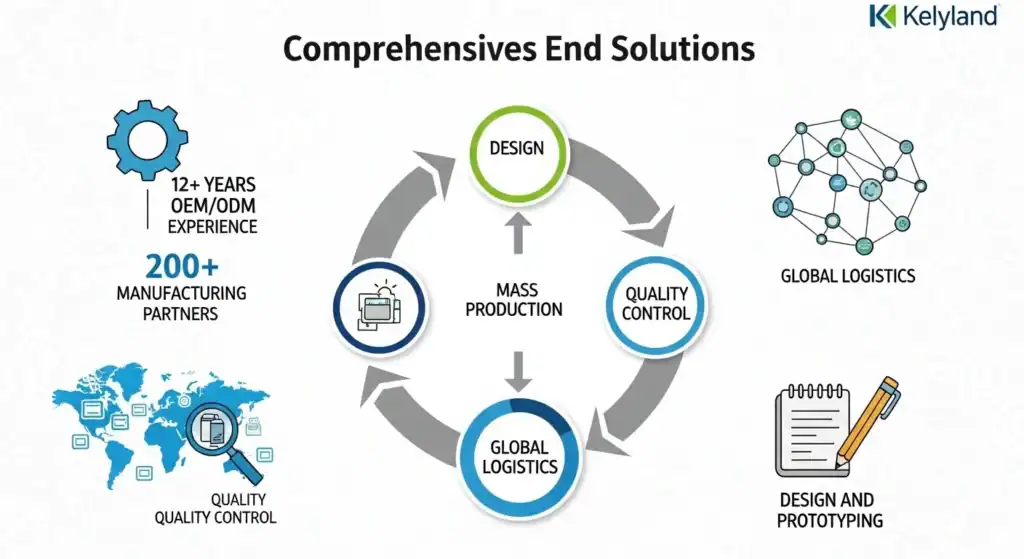
This allows brands to create fully customized tent lines with the advantage of flexible MOQs, making it accessible for both emerging and established companies.
📊 At a Glance:
- 📍 Location: China
- 🏭 Core Strength: Custom OEM/ODM Camping Tents, Large Air Tents, Glamping Tents
- 🌍 Key Markets: Global
Why We Picked Them:
| ✅ The Wins | ⚠️ Trade-offs |
|---|---|
|
|
Sonmez Outdoors
Sonmez Outdoors is the go-to for premium, high-capacity air tents, offering luxury features and exceptional space for large groups.
A manufacturer of premium and luxury large air tents known for high-end craftsmanship. Their flagship model, the LONDON MAXIA 480, boasts an impressive 185.1 sq ft of floor space and can accommodate up to 14 people.
They also offer specialized four-season models like the LONDON 360 DISCOVER, designed for winter camping with features like TPU windows and a stove jack.
📊 At a Glance:
- 📍 Location: Not specified
- 🏭 Core Strength: Premium Large Air Tents, Four-Season Tents
- 🌍 Key Markets: Global
Why We Picked Them:
| ✅ The Wins | ⚠️ Trade-offs |
|---|---|
|
|
RBM Outdoors
RBM Outdoors delivers strong value, offering competitively priced air tents like the Panda Air series that balance space and all-season versatility.
Positioned as a strong value option in the air tent market, RBM Outdoors offers models like the Panda Air Large and Medium. The Panda Air Large provides 129.17 sq ft of space for up to 6 people at a competitive price point.
The smaller Panda Air Medium offers four-season capability with a stove jack, making it a versatile choice for smaller groups.
📊 At a Glance:
- 📍 Location: Not specified
- 🏭 Core Strength: Value-Oriented Air Tents, Compact Four-Season Tents
- 🌍 Key Markets: Global
Why We Picked Them:
| ✅ The Wins | ⚠️ Trade-offs |
|---|---|
|
|
White Duck Outdoors
White Duck Outdoors is a top choice for durable, spacious glamping tents, offering classic bell tent designs with generous floor space.
White Duck Outdoors specializes in durable glamping tents, positioning itself as a leader in the robust, spacious bell tent category. Their focus is on high-quality materials and classic designs that appeal to the glamping market.
Often compared to large family tents, their core products focus on providing a premium outdoor experience. Models like the Bell Regatta 13′ Tent offer significant floor space (132 sq ft), blending traditional aesthetics with modern durability.
📊 At a Glance:
- 📍 Location: Not specified
- 🏭 Core Strength: Glamping Bell Tents
- 🌍 Key Markets: Global
Why We Picked Them:
| ✅ The Wins | ⚠️ Trade-offs |
|---|---|
|
|
The Rise of the Giant Air Tent
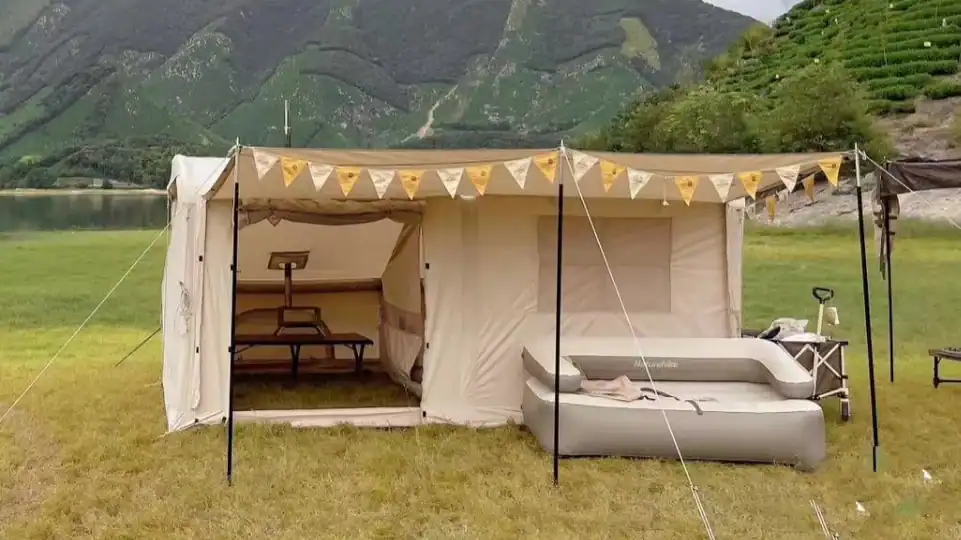
The inflatable tent market is expanding fast, creating a major opportunity for outdoor brands. This growth comes from the glamping trend and strong consumer demand for spacious, easy-to-pitch shelters. We manufacture these popular tents using durable TPU and PVC air beams, helping our partners meet market demand for reliability and rapid setup.
Market Growth and Projections
The global inflatable tent market is on a clear upward path, valued at around USD 1.2 billion in 2025 and projected to hit USD 2.5 billion by 2035. This represents a solid compound annual growth rate (CAGR) between 3.5% and 7.6%. For our B2B clients, this steady growth signals a reliable product category with strong potential for high-volume sales. Our production capacity of over 10,000 units a year is scaled to help brands and wholesalers capitalize on this expanding demand.
Consumer Trends and Design Preferences
Dome-shaped air tents are leading the market, accounting for over 41% of revenue because of their excellent space and stability. The demand is also heavily influenced by the glamping movement and travel-focused social media, where large, comfortable, and visually appealing shelters perform well. We directly address these trends by offering a range of heavy-duty Oxford and breathable Poly-Cotton fabrics. Our durable TPU air beam structures provide the “Instant-Up Mechanism” that families and casual campers now expect.
Regional Market Performance
While North America and Europe remain the largest markets, the most exciting growth is in emerging regions. India’s market is projected to grow at an 11.2% CAGR, and China’s at 8.4%. This global interest opens up new channels for our clients. As a sourcing partner based in Ningbo, we provide a strategic advantage for brands looking to serve these high-growth areas efficiently, ensuring compliance with standards like REACH and CPAI-84 to streamline market entry.
Privacy Matters: How Effective Are Multi-Room Designs?
Multi-room designs are highly effective for creating privacy on camping trips. By establishing separate sleeping and living zones, they allow families or multiple groups to have their own personal space while still sharing a common area. This compartmentalization is a major selling point for customers who value comfort and organization during extended stays.
How Compartments Create Personal Space
The main benefit of a multi-room tent is its ability to create distinct zones. A physical barrier separates the main sleeping quarters from a common living area. This layout is ideal for families with children or for multiple couples camping together, as each group gets a private space for sleeping or changing. A central room remains available for socializing, dining, or storing gear, preventing the entire tent from feeling like a single, crowded bedroom.
Built-in Features for Adjusting Privacy
We build our multi-room tents with flexible privacy controls. Most designs use removable fabric dividers that can be toggled, zipped, or rolled up, allowing clients to offer their customers either an open-plan layout or separate private rooms. We can enhance this with high-density B3/No-See-Um mesh windows that have roll-up covers, giving users control over visibility from the outside. Heavy-duty zippers on all internal and external doors ensure each zone can be securely closed off for complete separation.
Practical Limitations and Trade-offs
The added space and privacy come with trade-offs in portability. Multi-room tents are significantly heavier due to the extra fabric and robust frames, which often use steel poles for maximum wall strength. This makes them best suited for car camping, not backpacking. Setup is also more involved than for a simple dome tent, typically taking two people about 15–25 minutes. While their size and weight limit their use cases, the comfort they provide for longer, stationary trips is a powerful selling point.
Blackout Bedrooms: Do They Really Improve Sleep?
Yes, creating a dark environment significantly supports better sleep. By blocking external light, our blackout technology helps regulate the body’s natural sleep hormones. This feature is especially valuable for families with children and campers who need to rest during daylight hours, offering a clear comfort and performance advantage.
The Science of Darkness and Melatonin
The human body is designed to sleep in darkness. When light hits the eyes, it signals the brain to suppress melatonin, the hormone that controls our sleep-wake cycle. A dark environment allows for uninterrupted melatonin production, which helps people fall asleep faster and achieve deeper, more restorative sleep. Our “Blackout Bedroom Technology” uses a special black vinyl coating that blocks over 99% of sunlight, creating an ideal sleep sanctuary inside the tent, day or night.
Research Findings on Effectiveness
Scientific studies confirm a strong link between dark rooms and improved sleep quality. While complete darkness is effective, some research notes the importance of morning light for regulating mood and sleep cycles. Our system provides the best of both worlds. It creates a pitch-black interior for sleeping but allows campers to easily open windows or doors to let in morning light when they’re ready to wake up, supporting a natural circadian rhythm even while outdoors.
Practical Limits and Ideal Users
While our blackout fabric is highly effective, small amounts of light can still enter through seams or vents. The feature provides the greatest benefit for specific customer segments. Families with young children can ensure nap times are undisturbed by daylight. Festival-goers or shift workers can sleep soundly after a late night or during the day. For your brand, offering tents with this technology provides a powerful selling point that addresses a common camping challenge and adds significant value to your product line.
Structural Integrity: Can Big Tents Stay Stable?
Yes, our large tents are engineered for exceptional stability. The key is choosing the right frame system for the intended use—from robust steel for vertical walls to flexible TPU air beams—and pairing it with heavy-duty fabrics and reinforced construction. When anchored correctly, these structures reliably withstand demanding weather conditions, ensuring product longevity and customer satisfaction.
Core Stability from Materials and Construction
A tent’s stability starts with its core components. Our inflatable tents use durable TPU air beams that flex with high winds rather than snapping like rigid poles. For traditional structures, we build frames with high-strength steel for maximum support in large cabin tents or lightweight, corrosion-resistant aluminum alloys for trekking models. Stability is not just about the frame; the entire structure works as a system. The aerodynamic shape of many designs helps distribute wind forces evenly, and we reinforce all guy-out points and corners with bar-tack stitching to handle high tension from critical anchor points.
Performance in Wind and Adverse Weather
Our tents are designed to perform reliably in adverse weather. The flexibility of our TPU air beams allows our inflatable models to absorb wind gusts effectively, often outperforming traditional pole tents. To prevent leaks, we rely on proven weatherproofing technologies. We use durable fabrics with PU coatings that provide waterproof ratings from 2000mm up to 5000mm. Critically, we apply heat-sealed tape to every seam—our “Seam-Sealed Protection”—which prevents water ingress at the most common failure points and reduces warranty claims for your business.
The Importance of Quality and Proper Setup
Superior engineering and manufacturing are non-negotiable for structural integrity. Our ISO 9001 certified process includes multiple quality checks, from fabric inspection to random setup tests. We reinforce every stress point to ensure long-term durability, a detail that sets a premium product apart. Correct setup is also essential for performance. We provide clear, customizable assembly manuals and an oversized carry bag to make packing and unpacking easier, encouraging proper care. A well-designed, quality-manufactured tent that is set up correctly will deliver the stability and performance your customers expect.
Tunnel vs. Pod: Which Layout Suits Families Best?
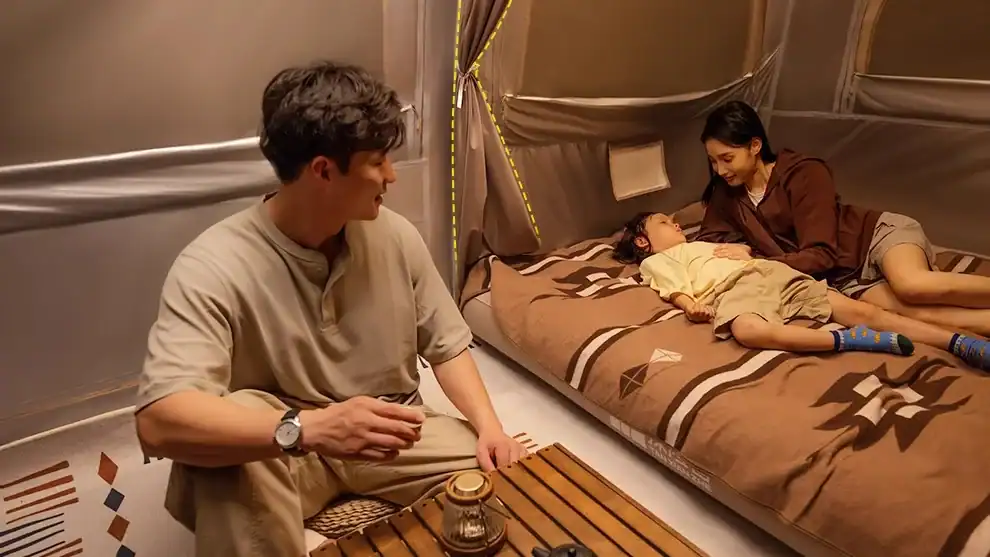
While many tent designs exist, the tunnel layout is a proven choice for family camping. It excels at maximizing interior living space and creating separate rooms. This design provides families with the privacy and gear organization needed for a comfortable trip, making it a high-value product for retail and wholesale partners.
The Tunnel Tent Advantage: Space and Livability
Tunnel tents are defined by their elongated, cylindrical shape, which creates an impressive amount of usable floor space. Unlike dome tents that lose headroom near the walls, a tunnel’s architecture provides more consistent vertical space. We design our tunnel tents with multiple compartments, allowing you to offer customers dedicated sleeping quarters and a separate living area. A large, integrated vestibule provides a sheltered entry and ample room for storing gear, keeping the main living space clean and uncluttered. This efficient layout offers an excellent space-to-weight ratio, a key selling point for families who need capacity without excessive bulk.
Practical Considerations for Tunnel Tents
Tunnel tents are not free-standing, so their stability relies entirely on being properly staked out with pegs and guy lines. This requires a bit more practice during setup and a larger, flatter campsite. For your customers, this is where our manufacturing quality provides peace of mind. We reinforce all stress points with bar-tack stitching and use high-performance pole systems, from flexible fiberglass to lightweight aerospace-grade aluminum. Our commitment to seam-sealed protection ensures that even with their large surface area, these tents offer reliable weather resistance, reducing the likelihood of warranty claims for your business.
Boost Your Brand With Custom Tents

Final Thoughts
Cheaper tents often skip critical waterproofing steps, leading to leaks and damaging customer reviews. We enforce “Seam-Sealed Protection” on every unit, a non-negotiable standard that protects your brand’s reputation. This manufacturing discipline is the difference between a one-star review and a repeat customer.
The market data points to a clear opportunity, but seeing the product firsthand confirms its value. Request a sample to inspect our TPU air beam durability and seam-sealed waterproofing yourself. Contact our sourcing team to discuss your private label requirements and secure your production slot.
Frequently Asked Questions
How long does it take to set up a large air tent?
Our inflatable tents, which use high-pressure TPU Air Beams instead of traditional poles, are designed for rapid assembly. A single person can typically inflate and pitch even a large family model in 7 to 10 minutes. This “Instant-Up Mechanism” is a major selling point for customers, reducing setup frustration and starting their vacation faster compared to the 20+ minutes needed for complex pole tents.
What size air tent should I get for my family?
We recommend advising your customers to follow the “+1 to +2 capacity rule.” For example, a family of four should look for a 5 or 6-person tent. This industry guideline ensures there is ample space for sleeping bags, gear, and general comfort. Sizing up manages customer expectations effectively, leading to higher satisfaction and fewer returns due to tents feeling cramped.
Are giant air tents waterproof?
Absolutely. We ensure complete weather protection through a multi-step process. Our fabrics receive a heavy PU (Polyurethane) coating with waterproof ratings from 3,000mm up to 5,000mm, handling heavy rain with ease. More importantly, we provide full “Seam-Sealed Protection” by applying heat-sealed tape over every stitched seam. This critical step prevents leaks at the most vulnerable points, a detail that ensures product reliability and reduces warranty claims.
How do air tents handle condensation?
Condensation is managed through intelligent design. Our tents feature a combination of high and low ventilation points using high-density B3 No-See-Um mesh to promote airflow while keeping insects out. For premium glamping models, we strongly recommend our “Breathable TC Cotton” (poly-cotton) fabric. Its natural breathability allows moisture vapor to escape directly through the fabric, drastically reducing condensation buildup in humid climates.
Will a large air tent fit on a standard campsite pitch?
This depends on the specific campground, as pitch sizes vary. We help you and your customers avoid this issue by providing exact footprint dimensions for every model in our catalog. Sharing these specs allows end-users to verify compatibility with their campsite before purchase, preventing sizing issues and ensuring a positive experience. We also design our carry bags to be oversized for quick, hassle-free packing.
Can one person set up a 12-person air tent?
While our inflatable Air Beam systems are designed for rapid setup, the physical size and fabric weight of a 12-person tent make it a practical two-person job. A solo setup is challenging for any tent of this scale. We design our products with real-world use in mind, so we recommend that our B2B partners market these large tents as requiring two people for a smooth, 15-20 minute assembly.
Do large air tents fit on standard campsites?
Campsite dimensions are not universal and can vary significantly. A large family tent can easily exceed a 95-square-foot footprint. As part of our sourcing service, we advise clients to clearly list the tent’s final footprint in their specifications. This transparency helps end-users verify compatibility with their campsite reservations and ultimately reduces product returns for our partners.
How heavy is the carry bag for a 10-person tent?
The final weight is determined by the materials you choose during customization. A family cabin tent built with our heavy-duty steel poles for vertical walls will naturally weigh more, typically 28-32 pounds. A tent of the same size using our lightweight Aerospace Grade Aluminum poles and a PU-coated Oxford floor could be significantly lighter, closer to 22-26 pounds. We help you balance durability and portability to meet your target market’s needs.
Is ventilation an issue in big inflatable tents?
Yes, managing airflow and condensation is a critical design factor in any large tent. We engineer our tents with multiple large windows and ground-level vents using high-density B3 mesh for maximum cross-ventilation. For premium glamping tents intended for humid climates, we strongly recommend our breathable Poly-Cotton (TC) fabric, which is exceptionally effective at reducing interior condensation and improving comfort.
Are multi-room dividers in tents removable?
Absolutely. This is a key feature we incorporate into our family and glamping tent designs. The room dividers are typically attached with simple toggles or zippers, allowing them to be completely removed or rolled away. This provides the end-user with great flexibility, letting them switch between separate private rooms and a single large living area. It’s a high-value feature that enhances the tent’s usability.

 English
  Español
  Deutsch
  Français
  Português do Brasil
  Русский
  العربية
  한국어
한국어  日本語
日本語