 跳到内容
跳到内容 
mesh panels beach wagons is the first checkpoint buyers should lock before they approve a supplier, budget, or production slot. I’ve sat through enough supplier audits across Zhejiang and Jiangsu to know that most factories will quote you a standard hex mesh without asking how it performs under wet, abrasive conditions. They assume drainage speed is just about hole size. It’s not. A 4mm hex mesh clears water fast but lets fine silica into the cargo bed — exactly the kind of grit that grinds against soft coolers and scratches inflatable paddleboards. On the other end, a tight 1.5mm polyester porthole mesh blocks sand effectively but drains slowly and clogs with sunscreen residue after two beach seasons. The practical middle is a 3mm hex with a 125-denier mono core, paired with an inner debris flap stitched over the bottom ten centimeters of the panel wall.
Before you lock in your private label beach wagon panels, run this checklist with your supplier. Does their test protocol measure water drainage speed at a sixty-degree tilt rather than flat-floor drainage? Flat-floor tests hide poor flow dynamics that show up immediately when the wagon is angled on uneven sand. Can they provide open area percentage specs for each mesh type they offer? Most mills can quote hole size but not thread weight or open area ratio — those two numbers determine whether your wagon holds water for more than five minutes, which is exactly where reviewers start punishing listings.
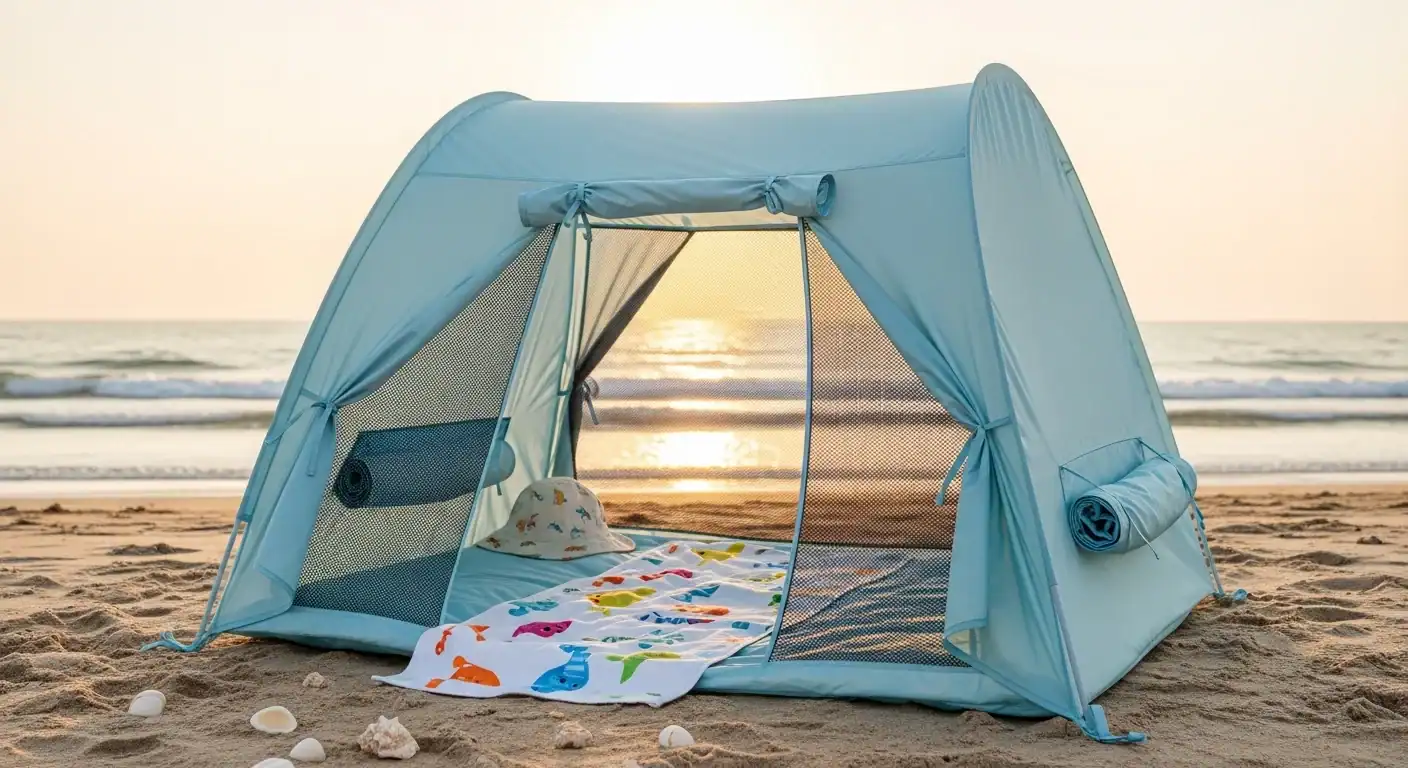
Why Mesh Panels Fail on Sand
A 3mm hex mesh with a 125-denier mono core hits the sand-drainage balance most beach wagons miss.
The buyer asked for a folding wagon with mesh panels that drain fast. The supplier sent a sample with 4mm hex polyester mesh. Water ran through in seconds. Sand poured into the cargo area just as fast. That $50K order taught one lesson: open area percentage and hole geometry dictate whether your beach wagon works on sand or fails on arrival.
Mesh Types and Open Area Percentages
Three common constructions appear in beach wagon mesh panel replacement specs. Polyester hex mesh — typically 3mm to 5mm openings — offers open area around 55% to 65%. It drains aggressively but passes fine sand grains (0.1mm to 0.5mm) straight through. Nylon monofilament mesh uses smaller portholes, often 1.5mm to 2mm, dropping open area to roughly 35% to 45%. It blocks more sand but drains slower and clogs when sunscreen residue mixes with saltwater.
PVC-coated scrim sits in between: roughly 2.5mm openings at about 50% open area, but the coating stiffens the fabric and reduces flexibility during folding. For private label beach wagon panels, the practical middle is a 3mm hex mesh woven from 125-denier monofilament polyester — open area around 48%, enough drainage for wave wash-through, tight enough to hold most dry sand above grain size of roughly half a millimeter.
Sand Sifting vs Drainage Speed Trade-Off
This trade-off kills product ratings faster than any other spec decision. A wagon that holds standing water for more than five minutes gets hammered in Amazon reviews — buyers associate pooled water with poor construction, even if the frame is solid steel and the wheels roll perfectly.
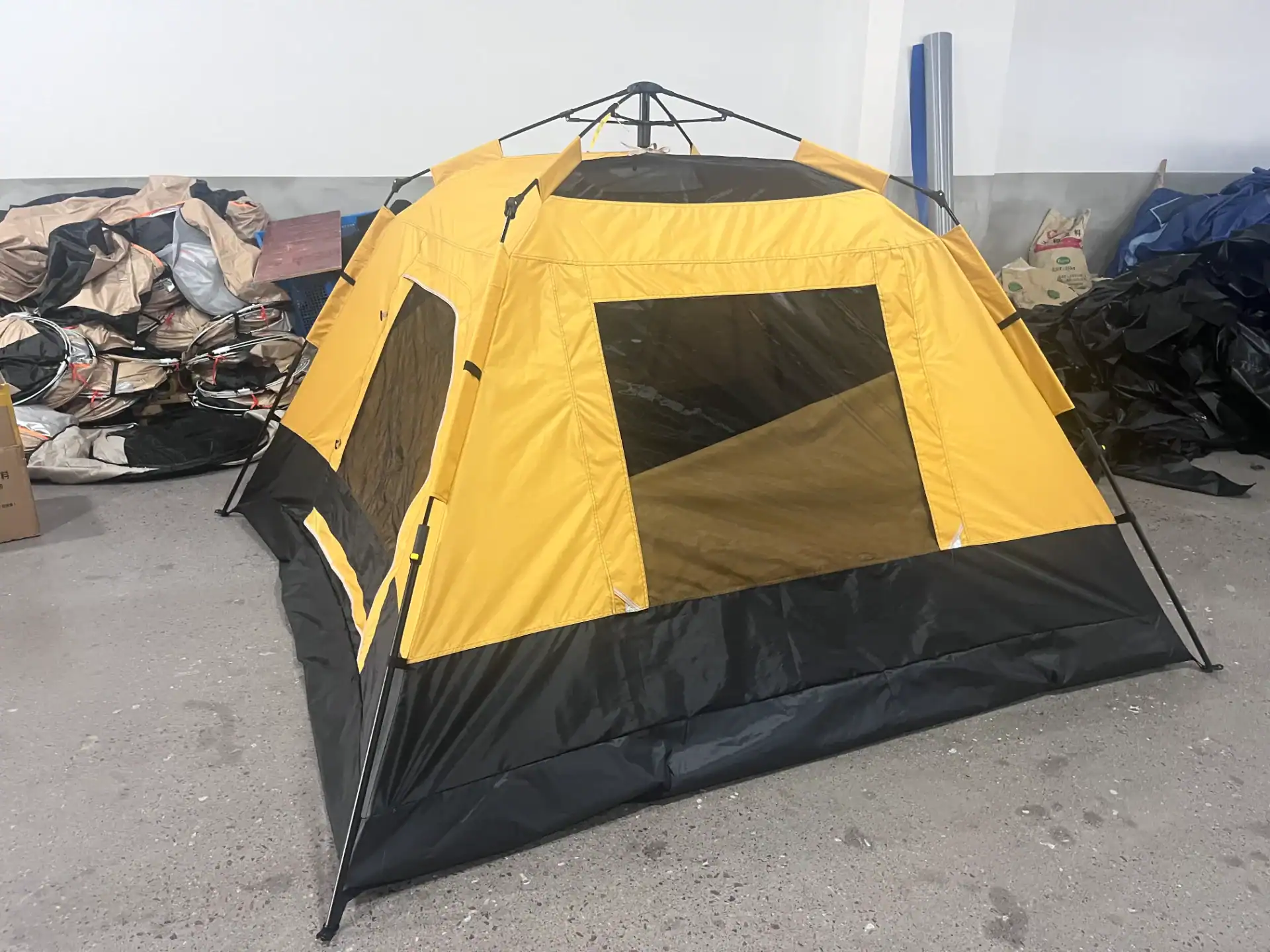
Specifying Mesh for Beach Wagons
A 3mm hex mesh with a 125-denier mono core is the practical middle ground for beach wagons.
Hole Size and Thread Weight Needed
The hole size determines whether your wagon functions as a sand sieve or a drainage panel. A 4mm hexagonal mesh lets water through in under 10 seconds, but it also lets fine silica sand (particles under 0.5mm) into the cargo area. Your customer ends up dumping half the beach out of the wagon at the car. On the other end, a 1.5mm polyester porthole mesh blocks sand completely but drains slowly — and clogs with sunscreen residue after three trips.
The working spec for a private-label beach wagon is 3mm hexagonal mesh with a 125-denier monofilament core. That denier gives you enough thread mass to resist tear-out when wet towels or coolers rub against the panel during loading. Drop to 70-denier and you get faster drainage but the mesh starts fraying at the stitch line within six months of coastal use.
Frame attachment matters as much as the mesh itself. The stitch seam where the panel meets the frame tube takes the most abuse. Specify a double-needle lockstitch with bonded nylon thread — not polyester thread, which degrades faster under UV exposure in beach environments. If your supplier quotes on standard single-needle stitching, request a sample of that seam before approving production.
Double-Layer Mesh with Debris Flaps
Single-layer mesh panels have one failure mode: anything smaller than the hole passes through freely. For beach conditions, that means sand accumulates in the wagon floor while water drains out. The fix is an inner debris flap — a separate strip of fabric sewn along the bottom 10cm of each side panel.
The flap sits inside the wagon cavity and acts as a baffle. When water hits it, gravity pulls liquid down through both layers, but sand particles get trapped between the outer mesh and the flap fabric. You can specify this flap in standard Oxford fabric matching your wagon body material — typically 600D or higher for abrasion resistance against cooler corners and chair legs.
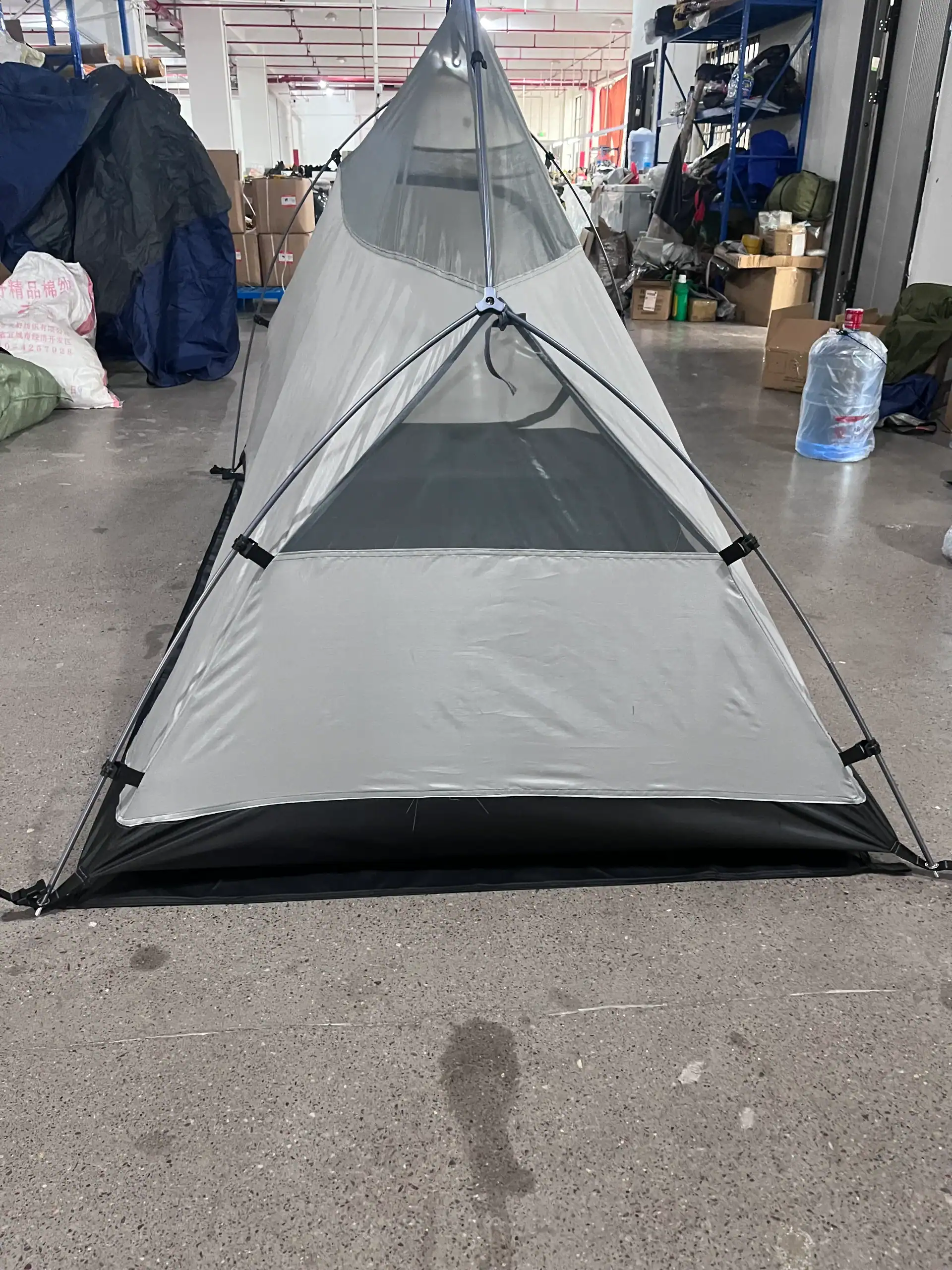
Testing Drainage Before Ordering
A 60-degree tilt test catches pooling that flat-floor drainage misses entirely.
500ml Water Clearance Time Benchmarks
Most suppliers run a flat-floor drainage test: pour water on the mesh, time how long it takes to disappear. That test tells you almost nothing about real beach use. A wagon on sand sits at an angle — the load shifts, the frame flexes, and water pools in the lower corners. Flat-floor tests consistently underreport drainage time by 40-60%. The spec you need is a 60-degree tilt drainage test.
Here is the benchmark we use across our folding wagon production lines. Pour 500ml of water into the cargo area with the wagon tilted 60 degrees on its side. For a single-layer 3mm hex mesh with a 125-denier monofilament core, clearance should happen within 90 seconds. For double-layer constructions with an inner debris flap over the bottom 10cm, expect 120-150 seconds — the flap slows initial flow but prevents sand ingress that would otherwise clog the mesh entirely.
If a sample takes longer than 3 minutes under tilt conditions, reject it. That wagon will hold standing water in every review photo on the Amazon listing, and beach buyers punish that hard. Listings have been seen to drop from 4.3 stars to 3.1 stars within two months because of pooled water complaints.
Pull-Out and Abrasion Test Requirements
Drainage speed means nothing if the mesh tears out after three trips. The failure point on beach wagons is almost always the seam where mesh attaches to the frame — sand grains work into the stitching, accelerate wear, and cause pull-out failures at exactly the wrong moment (loaded with gear, halfway across soft sand).
- Pull-out force minimum:Specify a minimum of 35kg pull-out force at each stitch line when tested per ASTM D5034. Partner factories running ISO 9001:2015 lines routinely hit 42-48kg on double-stitched seams using bonded nylon thread.
- Abrasion cycle requirement: Run a Taber abraser test with H-18 wheels and a 500g load for 500 cycles on both sides of the mesh panel. After testing, no hole larger than one individual mesh opening should appear. Single-layer polyester hex mesh often fails this at around 300 cycles; PVC-coated scrim can pass at full spec but adds weight and reduces airflow.
Conclusion
The mesh panel is the single spec that determines whether your beach wagon gets five-star reviews or a steady stream of returns. Get the hole size wrong and you either trap water or fail to block fine sand. The industry benchmark for a well-specified private-label wagon is a 3mm hex mesh with a 125-denier mono core and an inner debris flap over the bottom 10cm — that combination clears 500ml of water in under three minutes at a 60-degree tilt while keeping out everything above 1mm grain size.
- 3mm hex mesh with a mono core balances sand resistance and drainage speed.
- Debris flaps on the bottom 10cm prevent fine sand entry at the cargo base.
- Specify a tilt drainage test over flat-floor for accurate water clearance time.
Before you send your next RFQ, write down that benchmark — 3mm hex, debris flap, under-three-minute drain — and hand it to your supplier as a non-negotiable spec line. If they push back on the construction cost, ask for sample approval with both the flat-floor and tilt test results side by side. That single comparison will tell you more about their quality tolerance than any brochure ever will.
Frequently Asked Questions
What mesh size works best for beach wagons?
A 3mm hex mesh with a 125-denier mono core is the practical middle ground for beach wagons. This spec balances fast drainage with enough strength to resist sand abrasion and fabric tearing. Specify this mesh when ordering samples.
How do you test drainage speed?
Use a 500ml water clearance test: pour water onto the mesh panel and time how long it takes to drain completely. A 60-degree tilt test catches pooling that flat-floor drainage misses entirely. Request this test from your supplier before mass production.
What is the MOQ for custom mesh panels?
Custom mesh panels for beach wagons can start at 50-100 pieces per spec, depending on the factory’s material setup. Standard production runs typically range from 300-1,000 pieces for cost efficiency. Confirm exact MOQ after finalizing your mesh design.
Why does sand clog standard wagon mesh?
Standard hex mesh with holes smaller than 3mm traps fine sand particles instead of letting them sift through. This reduces drainage speed and adds weight, making the wagon harder to pull on soft. Choose a larger hole size to avoid clogging issues.

 English
  Español
  Deutsch
  Français
  Português do Brasil
  Русский
  العربية
  한국어
한국어  日本語
日本語