 跳到内容
跳到内容 
Every sourcing guide you’ve read insists the first step is to compare three suppliers’ prices for PVC fabric inflatable tent material. That advice gets a buyer burned on a $50K order when the pre-production sample passes visual inspection but the mass production run leaks at the seams after twenty inflation cycles. The real starting point isn’t price — it’s whether the fabric compound can hold air under pressure and survive your specific environment.
The difference between a tent that lasts three festival seasons and one that fails mid-event comes down to three numbers you won’t see on a standard quote: peel strength, plasticizer type, and UV resistance hours. A minimum peel strength of 80 N/5cm is the floor for air beams — anything below that, like the common budget-grade 50 N/5cm, guarantees delamination after repeated inflation cycles. And if you’re shipping into EU markets, asking for phthalate migration data upfront saves you from a REACH failure six months later. Most Chinese mills can switch from DOP to DOTP or DINP at roughly a 5-7% cost premium, but they won’t offer it unless your spec sheet demands it.
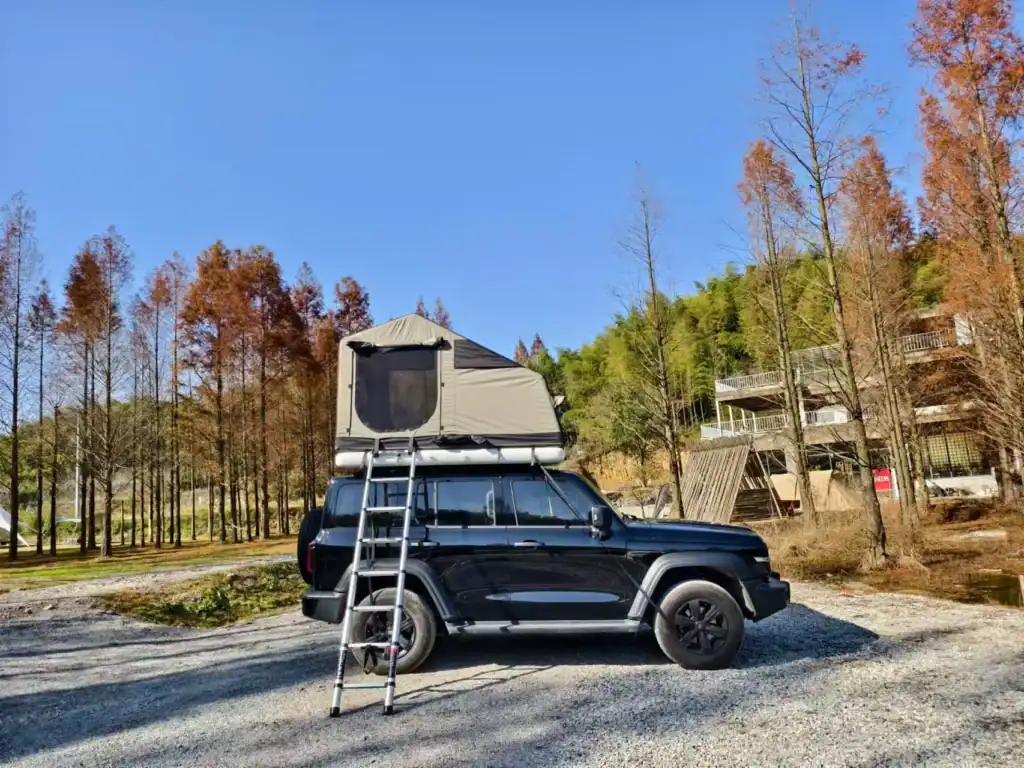
Start with Air Retention and Pressure Demands
Kelyland’s partner factories test every PVC air beam roll to a minimum 80 N/5cm peel strength — the real threshold for 500+.
A $50,000 order of inflatable event tents arrived at a European distributor’s warehouse in Q3 last year. By Q4, 12% of the units had developed slow leaks along the air beam seams. The buyer had approved a pre-production sample that looked fine — but the mass production run used a cheaper PVC blend with peel strength around 50 N/5cm. After 20-30 inflation cycles, the welds started separating. That failure pattern is exactly what Kelyland Outdoors’ quality control process is designed to catch before shipment.
Minimum Tensile and Peel Strength for Air Beams
The single most important number on any PVC coated fabric inflatable tent quality standard is peel strength. For an inflatable tent air beam that holds pressure at 7-10 PSI, the weld between two layers of PVC-coated fabric needs to resist delamination under repeated flexing and temperature swings. Industry experience — including data from Kelyland’s network of ISO 9001:2015-certified partner factories — shows that a minimum peel strength of 80 N/5cm (measured per ISO 2411 or equivalent) separates a tent that lasts five seasons from one that fails inside twelve months.
Budget-grade PVC fabrics commonly used by uncertified mills test at 50 N/5cm or lower. That number works for low-pressure inflatables like pool toys, but not for an event tent that gets inflated weekly. Kelyland’s sourcing team specifies fabrics from mills that consistently deliver above the 80 N/5cm threshold, and their in-process inspections verify actual weld strength on every production batch — not just on the sample approval piece.
-
- Peel Strength Target: ≥80 N/5cm per ISO 2411. Below this, expect seam separation within 30 inflation cycles under normal use.
- Tensile Strength Minimum: ≥200 kg/m (warp and weft). Lower tensile values cause fabric stretching under pressure, distorting the tent geometry over time.
Airtightness Testing Methods and Bladder Leak Tests
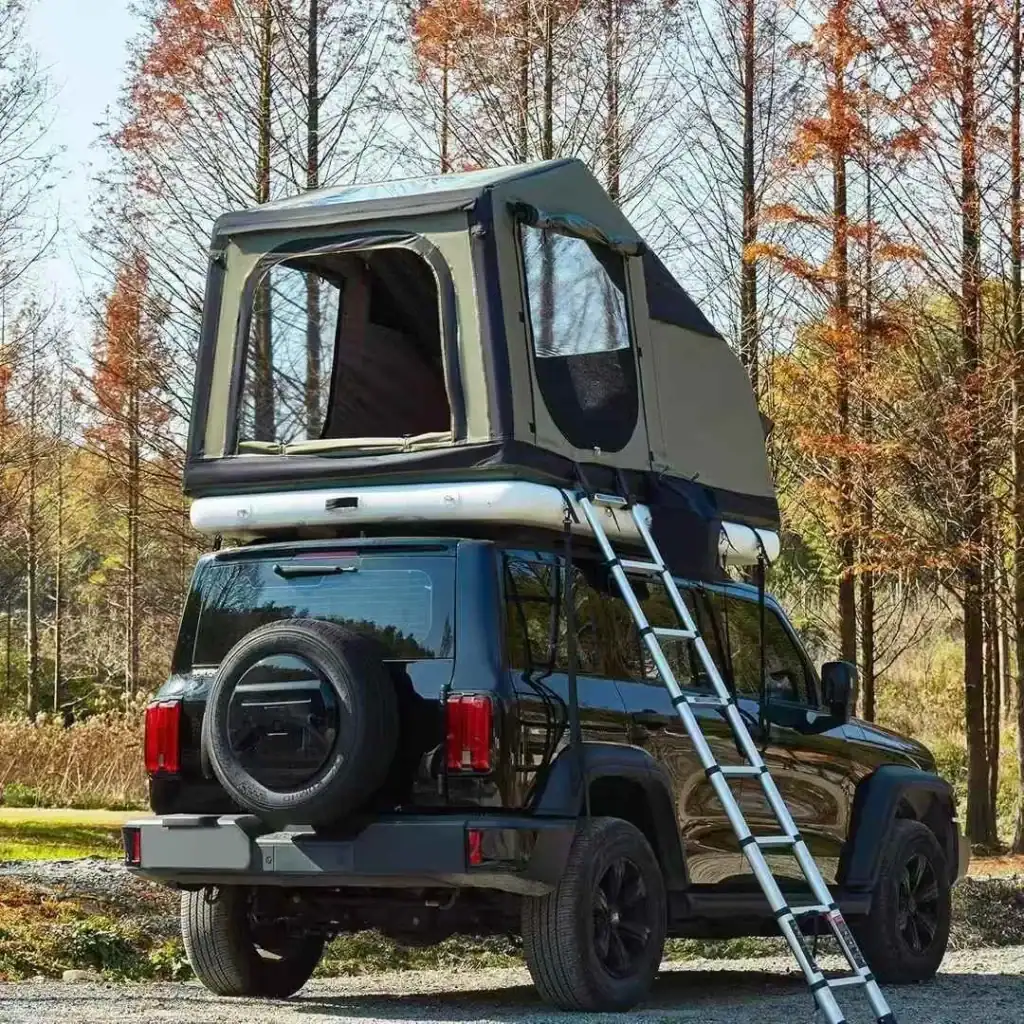
Match Fabric Specs to the Product Environment
UV degradation and flame spread are the two failure modes most buyers catch too late.
A tent that looks great in a showroom can fail catastrophically after three months of sun exposure or one spark from a campfire. The PVC fabric spec sheet must account for both environmental stressors before you approve the sample.
UV Exposure Hours and Coating Additives
Standard PVC-coated fabric without UV stabilizers starts losing tensile strength after roughly 500 hours of direct sunlight. For a festival tent that sits in a field for two weeks per event across multiple seasons, that translates to visible cracking by year two. The fix is adding UV absorbers and hindered amine light stabilizers (HALS) into the PVC compound during calendering.
Ask your supplier for a UV resistance spec sheet that states hours tested and percentage of retained strength. A quality UV resistant PVC tent fabric specification sheet will show at least 1000 hours with less than 20% strength loss. Some factories, including the core tent factory Kelyland Outdoors partners with in Ningbo (ISO 9001 certified), routinely test to 1500 hours using a xenon-arc weathering chamber.
The coating color matters too. Black coating absorbs heat but blocks UV effectively — it’s common on inflatable air beams where structural integrity is critical. Silver coating reflects heat but needs a higher concentration of UV blockers to achieve the same protection level as black.
Flame Retardant Requirements for Festival and Event Tents
This is where many importers get caught. General camping tents sold at retail often carry no flame retardant certification because consumer use patterns don’t trigger fire codes. But the moment your inflatable tent is marketed for events, festivals, or glamping rentals — even if it’s sold through retail channels — local fire marshals may require compliance with EN 71-3 or REACH.
Build a Supplier Spec Sheet
A supplier spec sheet without Kelyland’s factory-gate test data is just a wish list.
Building a spec sheet for PVC fabric inflatable tents means translating your retail return data into measurable thresholds. Kelyland Outdoors works with 17 core factories, most ISO 9001:2015 certified, which gives you a structured audit trail from raw material intake to final inspection. Start by listing the three tests that catch the failures consumers actually complain about: plasticizer migration, flame spread, and air beam peel strength.
Required Tests: EN 71-3, REACH, and Phthalate Checks
EN 71-3 covers migration of heavy metals — lead, cadmium, mercury — from the PVC coating into simulated sweat or saliva. If your tent targets families with children in EU markets, this is non-negotiable. REACH compliance goes further: it restricts SVHCs including certain phthalates. Here’s the insider point: excessive DOP or DEHP content makes PVC fabric sticky after six months in storage and triggers random REACH failures at customs. Kelyland’s partner factories can switch to DOTP or DINP plasticizers for EU-compliant batches at a 5–7% cost premium. Put that switch as a line item on your spec sheet under ‘Plasticizer Type.’.
-
- Spec entry example: “PVC compound shall use DOTP or DINP plasticizer only. Supplier must provide GC-MS test report per batch.”.
- Why it matters: Standard DOP/DEHP compounds fail EN 71-3 and REACH Annex XVII randomly; the cost premium is small compared to a container held at Rotterdam.
Minimum Peel Strength for Air Beams
Air beams are the structural skeleton of an inflatable tent. If the weld separates after 20 inflation cycles, you own a warranty claim and a disappointed retailer. The minimum peel strength for PVC air beam fabric should be 80 N/5cm measured per ISO 2411 or equivalent standard. Many budget fabrics test at only 50 N/5cm — they pass initial inflation but delaminate under repeated setup in hot conditions. Kelyland’s factory network runs inline peel tests during production and can share those records as part of their quality control reports available upon request.
How to Request Lab Samples Before Bulk Order Confirmation
Do not accept samples cut from a separate R&D roll. Insist on lab samples taken from the same PVC batch that will feed your production run — ideally three sequential meters from the start of the lot. This catches inconsistencies in coating thickness (target: minimum 0.4mm) and plasticizer dispersion that show up when the line starts running full speed.
Kelyland Outdoors follows a structured sample approval process: prototype based on approved design, client review with feedback loop, then mass production agreement covering quantities and delivery schedules. Use this process to lock down three deliverables before you sign off: (1) a UV resistance test report for your target exposure hours — specify whether you need UV resistant PVC tent fabric specification sheet data for coastal or high-altitude retail; (2) flame retardant certification per your destination market (EN 16482 for Europe); (3) phthalate screening results showing DOTP/DINP levels below regulatory limits.
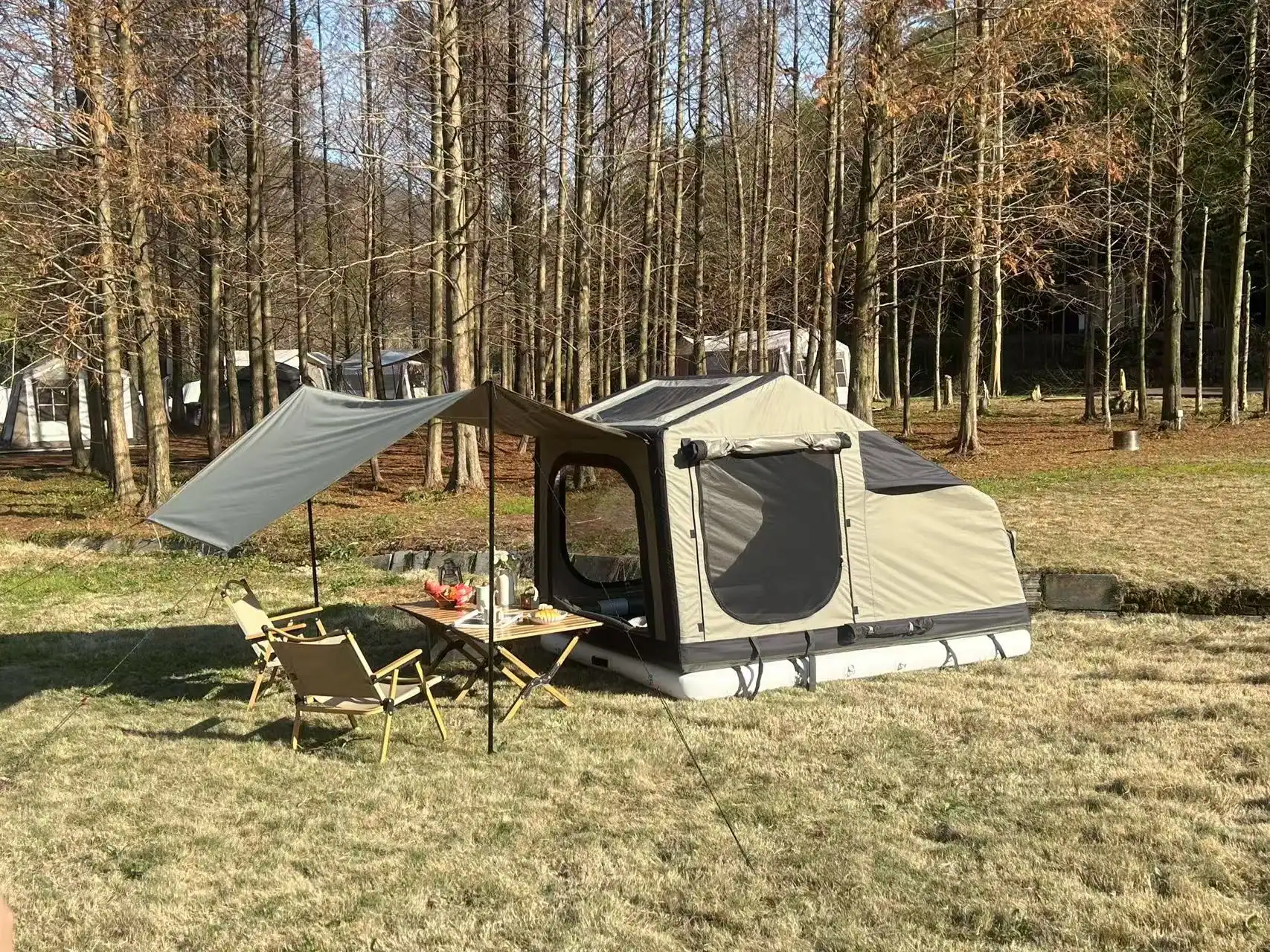
Conclusion
A $50,000 order on an inflatable tent line can fail because the PVC fabric’s peel strength was never verified. The cost of skipping that check is not just a batch of leaky air beams. It’s the return rate that hits your Q3 margin, the retailer chargebacks, and the brand damage that takes two seasons to undo.
-
- Air beams need a minimum peel strength of 80 N/5cm.
- Budget PVC fabrics at 50 N/5cm leak after 20-30 inflation cycles.
- Excessive DOP phthalates cause sticky fabric and may fail EU REACH checks.
- Switching to DOTP or DINP adds a predictable cost premium of roughly five to seven percent.
If you are sourcing inflatable tents for your next retail season, start by reviewing the UV resistant PVC tent fabric specification sheet from your supplier. Confirm the plasticizer type used in the compound and request lab data on peel strength before you commit to a production run. A single round of sample approval with documented test results saves you from discovering a failure pattern three months after delivery — when the tents are already sitting on retail shelves.
Frequently Asked Questions
How to get a quote for How to Choose PVC Fabric for Inflatable Tent Manufacturing?
The exact answer depends on the product specification, quantity, and order setup. The safest approach is to confirm the commercial terms only after the final requirement sheet is. The final choice should be matched to the actual use case and performance target.
Can I request samples first?
The exact answer depends on the product specification, quantity, and order setup. The safest approach is to confirm the commercial terms only after the final requirement sheet is locked. Sample availability should be confirmed against the current stock and shipping plan.

 English
  Español
  Deutsch
  Français
  Português do Brasil
  Русский
  العربية
  한국어
한국어  日本語
日本語