 跳到内容

pvc tent fabric factory audit is the first checkpoint buyers should lock before they approve a supplier, budget, or production slot. A Ningbo PVC laminator running at 175°C instead of 185°C is the kind of detail that separates a five-year tent floor from one that starts delaminating after two seasons. Having walked enough production lines in Zhejiang, it is clear that a three-degree gap in the oven temperature profile under-cures the adhesive layer, and that failure mode does not show up in the pre-production sample. It shows up eighteen months later, after the fabric has been through UV exposure and freeze-thaw cycles on a campsite.
That is why a PVC tent fabric factory audit needs to go beyond certificate checks and walk-throughs. The real value lies in catching the process parameters that predict field performance — lamination temperature logs, weld testing reject rates, and batch-level tensile data. For supply chain managers evaluating a Ningbo supplier before committing to a container order, this report walks through the line checks that separate a reliable partner from one you will be chasing for corrective action reports.
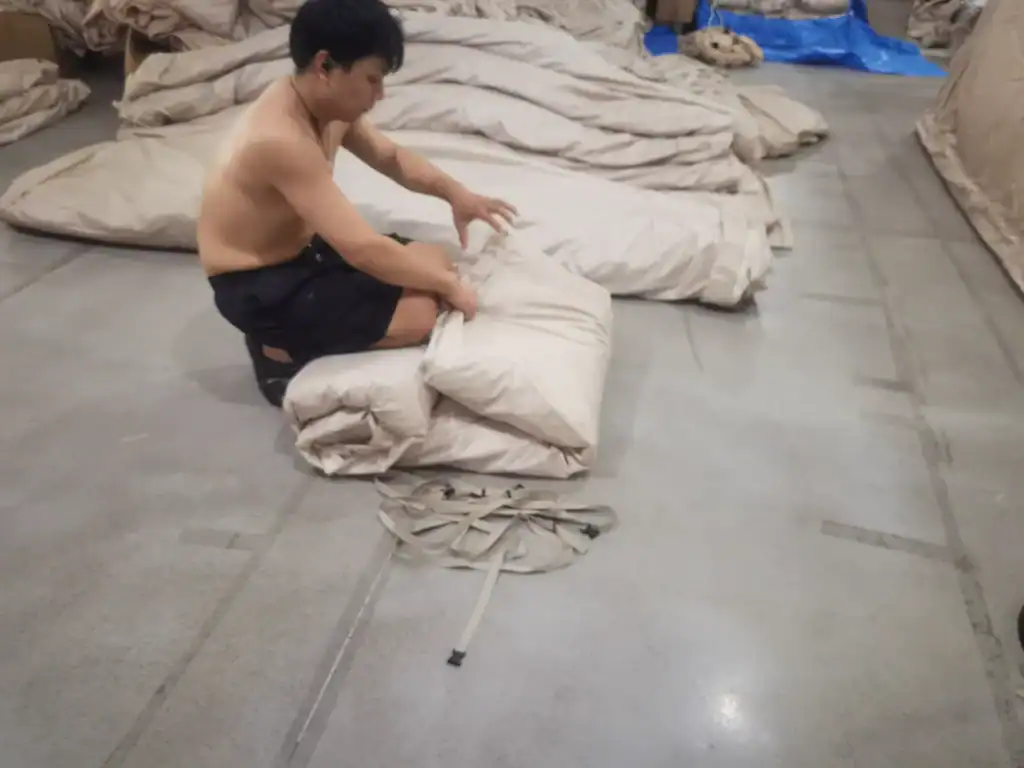
Pre-Audit Checklist for PVC Fabric Lines
A laminator running below 180°C under-cures the adhesive — trust factories that log temperature every 2 hours.
The pre-audit phase is where most supply chain managers either secure a reliable partner or commit to six months of firefighting. Before you step onto any production floor in Ningbo, you need two things verified from your desk: the scope of the factory’s ISO 9001 certificate and the source of their PVC resin. Skip these and you’re auditing blind.
On-site ISO 9001 and CE certificate verification
A PDF copy of an ISO 9001 certificate tells you nothing. The cert could belong to a trading company that shares a building with three different factories. What matters is whether the certificate number matches the legal entity operating the laminators. Ask for the cert number, then cross-check it against the accreditation body’s public register. CE marking for PVC tent fabric requires compliance with EN 13541 for gas tightness if the material is used in inflatable structures — verify that the scope explicitly includes this standard.
During an on-site visit, walk directly to the quality office and ask to see the original certificate posted on the wall. A factory that has passed ISO 9001:2015 audits will display it prominently alongside internal audit schedules. If they fumble for a digital copy or offer a laminated photocopy, flag it. Kelyland Outdoors’ partner factories in Ningbo maintain visible certification boards as part of their standard operating procedure.
Reviewing raw material inventory and resin suppliers
PVC fabric quality starts at the resin hopper, not the laminator. Ask for a list of resin suppliers by name and country of origin. A reputable factory sources from established petrochemical mills — Sinopec, Formosa Plastics, or LG Chem — not unnamed local recyclers who blend post-industrial scrap into pellets. Recycled content can drop tensile strength by up to 30% depending on contamination levels.

Production Line Observations That Predict Quality
A laminator running below 180°C is the single best predictor of field delamination in PVC tent fabric.
Most buyers spend their audit time on the final inspection table. That catches visible defects — scratches, uneven coating, misaligned print. It misses the structural failures that show up six months after the container lands. The two production-line checkpoints that predict those failures are the laminator station and the weld testing bench.
Laminator Temperature and Speed Control
PVC tent fabric is built by bonding multiple layers — a woven scrim between two PVC films — under heat and pressure. The adhesive layer cures at a specific temperature window. In Ningbo factories, the standard target is 180°C to 200°C, depending on the resin formulation and line speed.
Run it below 180°C and the adhesive never fully cross-links. The layers look bonded coming off the line, but under UV exposure and temperature cycling they separate. Delamination starts at the edges and spreads inward. A batch of 500-gram PVC tarpaulin failed after three months in field use because a night-shift operator dropped the oven temperature to save power.
What to check during an audit: ask for the laminator log sheet. A well-run factory records oven zone temperatures every two hours, with shift handover sign-offs. If they cannot produce logs or the recorded temperatures sit consistently below 180°C, flag it as a high-risk finding. Also note line speed — if it exceeds 25 meters per minute on standard 500-gram fabric, dwell time in the oven drops and curing suffers regardless of temperature setting.
Weld Testing Station and Reject Rates
For products made from PVC tent fabric — inflatable tents, air beams, float tubes — seam welding is where leaks originate. A high-frequency welder joins two coated layers by melting the PVC film under pressure. The weld strength depends on dwell time, electrode alignment, and material thickness consistency.
The audit should include a visit to the weld testing station. This is not a visual inspection table; it is a pressurized test rig where welded seams are inflated to working pressure plus a safety margin (typically 1.5x rated pressure) and held for at least 60 seconds while operators check for pinhole leaks using soap solution or electronic sensors.
Ask for daily reject rate data from this station over at least three months. A stable process runs at 2-3% reject rate on welded air beams. If you see rates above 5%, or if the data shows spikes coinciding with shift changes or Monday mornings (when machines have cooled over the weekend), you have identified a process control gap that will repeat on your order.
-
- Test protocol: Request a live demonstration of the weld test procedure during your audit.
- Acceptance threshold: Use AQL Level II normal inspection: for an 80-sample lot of welded air beams, zero pinhole leaks allowed at critical defect level.

Batch Testing and Documentation
A pre-production sample that passes inspection can still hide batch-level failures in mass production.
Requesting EN ISO 13934 and REACH Reports
EN ISO 13934 measures tensile strength — the force required to tear a fabric sample. REACH compliance confirms the PVC formulation meets EU chemical restrictions. Both are standard requests for any Ningbo PVC tent fabric factory audit, but how you request them matters more than whether you do.
Ask for the report number and the testing lab. A generic PDF titled “test report.pdf” with no accreditation logo is not evidence. The lab should be CNAS-accredited or equivalent. If the supplier sends a scan with the lab name cropped out, that is a red flag worth walking away from.
The tensile strength result tells you if the base fabric and coating can handle field stress. For PVC tent fabric used in air beams or structural tarps, a minimum warp tensile of 2500 N/50mm is common. Below that, you risk rupture during inflation or wind loading.
Identifying Red Flags in Sample vs Mass Production
The sample approval stage creates a false sense of security. Factories hand-select their best operator, best materials, and most careful QC for samples. Mass production runs on standard shifts with standard tolerances.
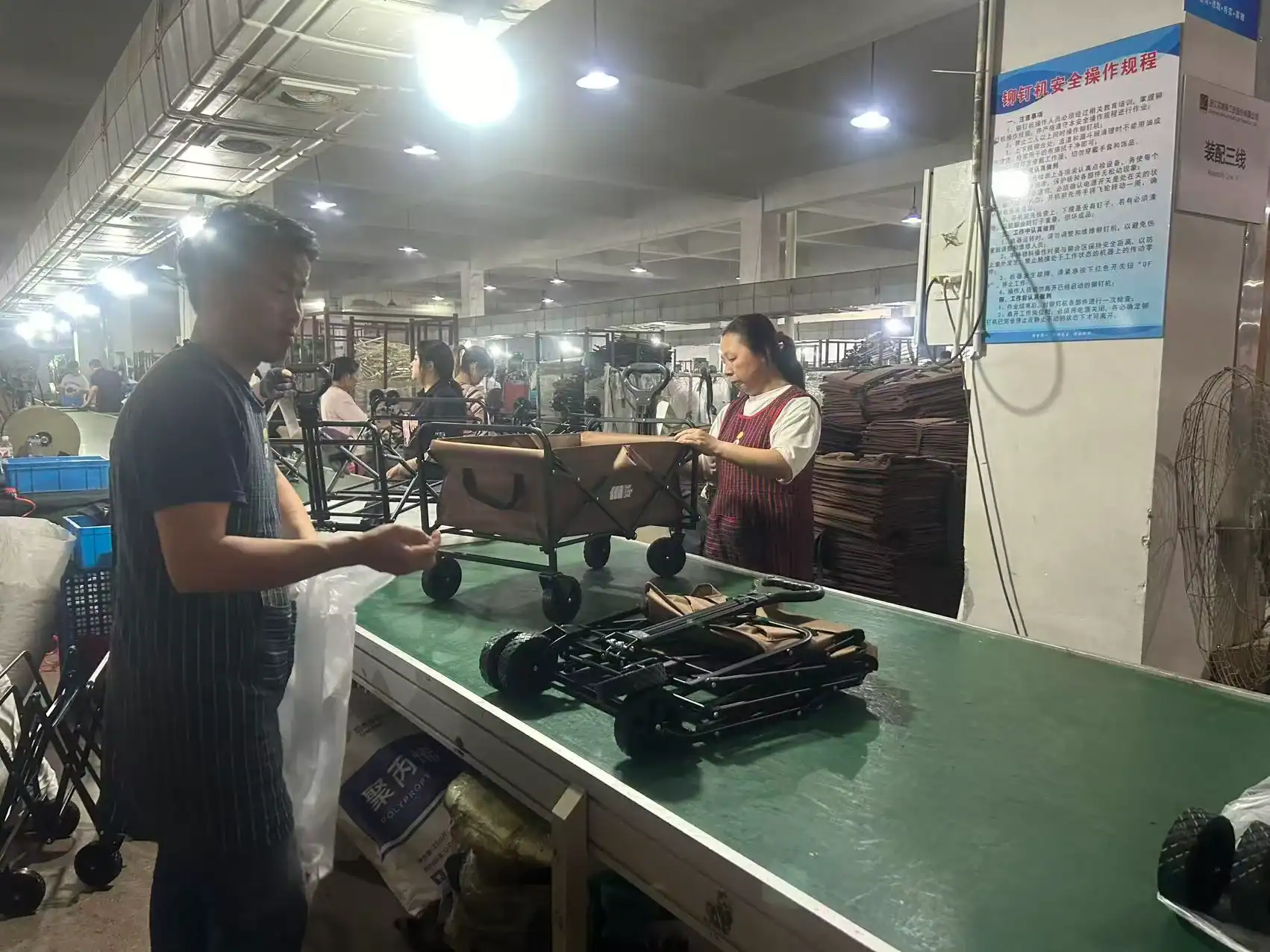
Applying Audit Findings to Your Sourcing Decision
A supplier scoring system based on defect density and correction speed separates reliable partners from risky ones.
You walked through the Ningbo line. You watched the laminator logs, ran the pinhole test on welded air beams, and collected EN ISO 13934 tensile reports. Now you have to decide which factory gets the order. That decision is more than a gut check — it requires a repeatable scoring framework that weighs defect density against response time.
Scoring suppliers on defect density and response time
Start with a simple matrix. Assign 40 points to defect density (failures per 100 meters of fabric), 30 points to corrective action speed, and 30 points to documentation completeness. A factory running under 2% defect density on PVC laminated fabric scores full marks in that category. If they hit 3-5%, deduct half. Above 5%, zero out the category — that level of inconsistency will plague every batch.
Response time matters just as much. A supplier who sends a corrected sample within five working days after you flag an issue demonstrates process control. One who takes three weeks or blames the raw material usually lacks root-cause capability. Kelyland Outdoors tracks this internally: partner factories that log oven temperature shifts every two hours and correct lamination deviations within one shift consistently score above 85 on this matrix.
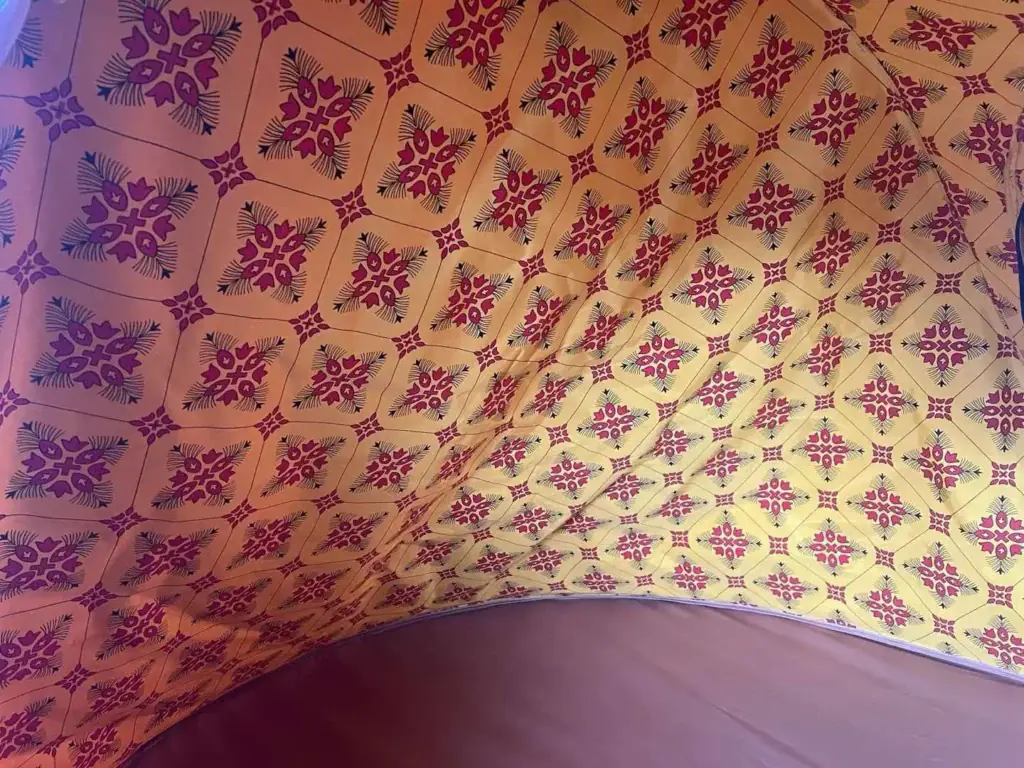
How partner factories handled audit corrections
The real test comes after you share findings. During one audit, a Ningbo tent fabric line showed a laminator running at 172°C — below the 180°C threshold that prevents adhesive under-cure and field delamination. The factory manager pulled the shift logs immediately, adjusted the temperature setpoint, and re-qualified three rolls before releasing production back to standard flow.
Compare that to another facility where the same finding took twelve days to acknowledge, and the corrective action was a verbal promise without documented retraining or process change records. The first factory earned repeat orders for three seasons. The second was dropped after one trial batch showed inconsistent weld strength on PVC tarpaulin lamination quality control checks.
Conclusion
A Ningbo PVC laminator running below 180°C is a red flag you can catch before the first roll ships. That single data point—logged every two hours on a production sheet—separates factories that control their cure cycle from those gambling on field performance. The same logic applies to the welded air beams: a 5% AQL random inspection with a pinhole leak threshold of 2 failures per 80 samples gives you a batch-level decision rule, not a guess.
-
- Verify laminator temperature logs show consistent readings above 180°C.
- Run a welded air beam pinhole leak test at pressure before shipment.
- Request EN ISO 13934 tensile reports and REACH compliance documentation.
Benchmark your findings against this standard: a qualified supplier should log laminator temperature every two hours, hold an ISO scope covering PVC fabric coating, and accept a pre-shipment AQL of Level II with zero critical defects on welded seams. Write that into your next RFQ as a hard requirement, then compare supplier responses side by side. If you need a partner whose production lines already meet these thresholds, review the factory specifications available through the Kelyland Outdoors sourcing network for air mattress and tent fabric lines.
Frequently Asked Questions
How to get a quote for Factory Audit Report: Ningbo PVC Tent Fabric Lines?
The exact answer depends on the product specification, quantity, and order setup. The safest approach is to confirm the commercial terms only after the final requirement sheet is. The final choice should be matched to the actual use case and performance target.
Can I request samples first?
The exact answer depends on the product specification, quantity, and order setup. The safest approach is to confirm the commercial terms only after the final requirement sheet is locked. Sample availability should be confirmed against the current stock and shipping plan.

 English
 Español
 Deutsch
 Français
 Português do Brasil
 Русский
 العربية
 한국어
 日本語