 跳到内容

Tent warranty terms rarely get the same scrutiny as fabric denier or hydrostatic head ratings, but a $50,000 order can hinge on a single clause. A retailer approves a pre-production sample, locks in FOB pricing, and trusts that the mass production run will hold the same quality tolerance. It often does not. When that first batch of warranty claims hits the store level, the true cost of the order is determined by the contract language nobody flagged during sourcing.
The coverage period is rarely the problem. The exclusions are. Pole breakage under normal use, zipper failure after eight weeks of weekend camping, seam separation at the stress points—these are the claims that actually come back. If the supplier’s warranty puts them on a pro-rata basis or excludes them outright, the retailer eats the replacement cost. That is why structuring a clear after-sales agreement at the outset matters as much as the unit price.
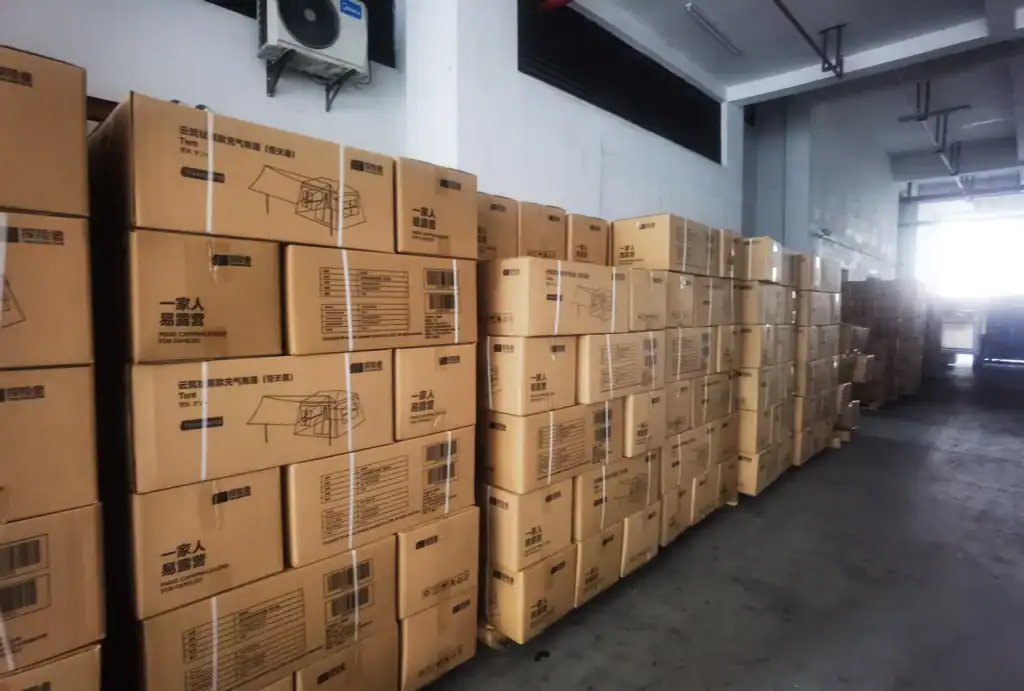
Standard Tent Warranty Terms in the Outdoor Industry
A one-year warranty is a starting point, not a finish line.
A 1-year warranty on a tent you plan to sell across multiple seasons is a red flag. Standard private-label tent warranty terms run 1 to 3 years, with lifetime coverage reserved for components like poles or frames. Established outdoor retailers — including Ace Hardware, a client of Kelyland Outdoors — expect warranty periods that match their own service policies.
The warranty clock usually starts at the FOB destination date, which protects the supplier but shortens your shelf time before the consumer buys it. If your goods sit in a distribution center for 4 months, that’s 4 months of warranty gone before the end user sees it. Some agreements switch to a pro-rata replacement after year one, where you absorb a percentage of the replacement cost. Negotiate the trigger point or at least confirm it in writing.
Manufacturing Defects vs. Wear and Tear
The line between a manufacturing defect and ordinary wear and tear is where most warranty disputes die. A seam that splits along the stitch line after three uses is a defect. A floor that abrades after a summer on rocky ground is wear. Zipper failure sits in the gray zone: a zipper that separates under normal tension within the first season is generally a defect, but the clause needs to say so explicitly.
-
- Defects worth covering: Seam tape lifting, zipper separation, broken buckles, pole ferrule cracks, and fabric delamination.
- Wear-and-tear exclusions: UV degradation, fabric thinning, mildew from wet storage, and ground-sheet abrasion from rocky surfaces.
Exclusions: Weather Damage, Improper Use, Modifications
Read the exclusion list before you approve the after-sales policy. High winds, snow load, and storm damage are almost always excluded, but some suppliers also exclude pole breakage during normal pitching — a common failure point. Improper use includes pitching on sharp objects or using a stove inside a tent not rated for it. Modifications, like seam-sealing with an unapproved product, void coverage.
Suppliers under ISO 9001:2015 systems, such as Kelyland’s partner tent factory in Ningbo, maintain production-stage inspection reports. Those reports become the evidence trail when you dispute whether a defect existed at shipment. If the factory can’t produce a pre-shipment inspection record for the batch, your warranty claim is weaker.
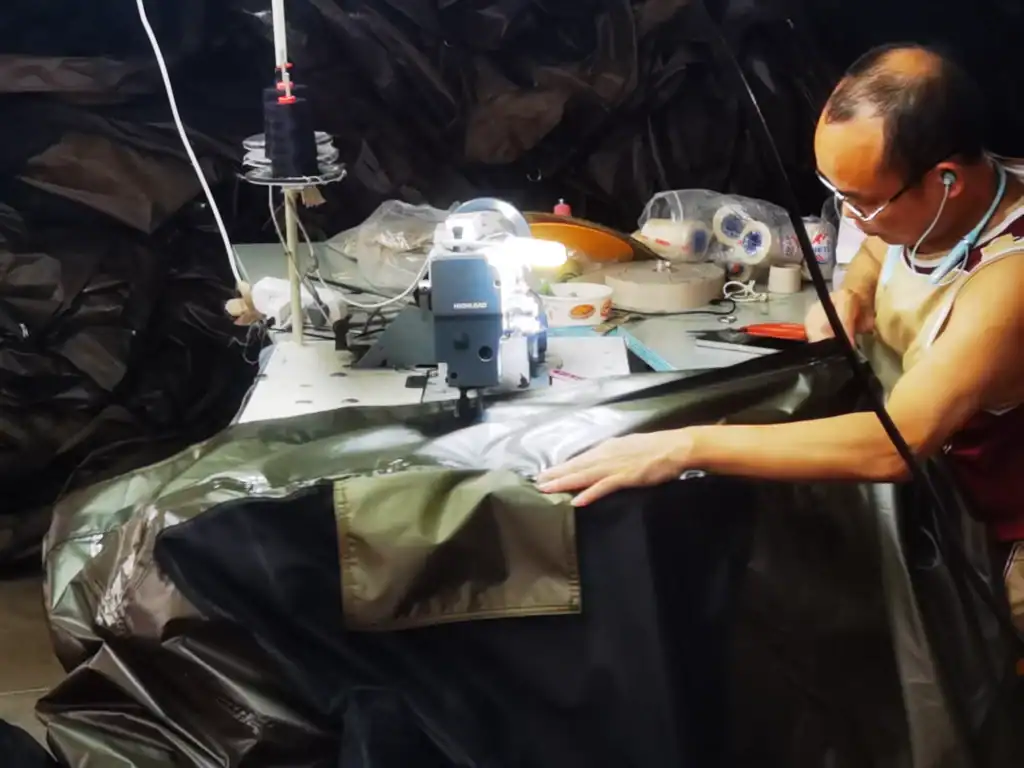
Key Liability Clauses to Negotiate with Your Supplier
The warranty period tells you how long you are covered.
Most retailers compare warranty periods, then skim past the liability clauses. That order of priorities is backwards. For private label tent warranty terms, the difference shows up after a defect passes through your warehouse and reaches a customer. A shippable sample means nothing if the contract leaves you holding every post-sale risk.
Limitations of Liability: The Invoice-Value Cap
Most supplier contracts cap liability at the invoice value of the defective goods. A $50,000 tent order with a pole defect recovers at most $50,000 — but the real cost runs deeper. Return freight, customer refunds, repackaging labor, and chargebacks all sit outside that cap. When reviewing supplier liability clauses for tent defects, push the limit to cover the full contract value plus documented recall logistics.
Indemnification: Who Designed the Product?
Indemnification comes down to one question: who designed the product? A buyer-supplied design makes the buyer responsible for design flaws. A supplier-developed design puts that responsibility on the supplier. Kelyland Outdoors runs a collaborative OEM/ODM process where clients review mock-ups and prototypes before mass production — shared design ownership should produce shared liability terms, not a blanket waiver.
Most Chinese manufacturers resist indemnification clauses. Getting one takes leverage — multi-year commitments, consolidated order volume, or the willingness to walk away. For retailers sourcing private-label tents, an indemnification clause covering IP infringement and product safety claims matters more than an extra warranty year. Negotiate it before the purchase order, not after a claim lands.
Product Recall and Insurance: The Forgotten Clauses
Recall procedures rarely get discussed until a recall happens. Define the process upfront: who notifies customers, who pays return freight, how replacement units ship, and how disposal costs split. A structured after-sales agreement can reduce handling costs by up to 30% compared to ad-hoc dispute resolution. The time to agree on this is before the container sails.
Also confirm the warranty trigger date. If the contract says FOB factory, the clock starts when goods leave China — burning weeks while the container travels. The FOB destination date warranty trigger starts coverage at your warehouse, preserving the full period for end customers. Expect pushback on this term; hold the line.
Insurance closes the final gap. Ask for a product liability certificate naming your company as an additional insured, with coverage limits matching your retail channel’s requirements. Some policies exclude claims from your destination market or expire before the warranty period ends. ISO 9001:2015-certified partner factories document quality processes, which strengthens claim traceability — but documentation does not replace an insurance certificate. Verify both.
Three questions determine whether your supplier agreement actually protects you.
After-Sales Support and Claims Management
Structured after-sales agreements cut warranty handling costs by up to 30% — define the claims process before signing the PO.
The warranty claim process is usually the last thing finalized and the first thing tested. A private-label tent order lands, and 60 days later a zipper fails on a unit that has been outdoors twice. Without a defined workflow, every claim becomes a negotiation: the customer wants a replacement, your team wants proof, and the supplier wants the product returned for inspection. Define the process before the container ships, not after complaints land in your inbox.
Set the Coverage Threshold Before the Container Ships
Most suppliers default to a limited warranty that excludes common failure points like pole breakage under normal use. That matters because fiberglass and aluminum poles are the most frequently damaged components in the field — and the cheapest to replace. The fix is a short, explicit list in the agreement: which defects qualify as manufacturing faults, which count as wear and tear, and which require photo evidence instead of a full return.
Photo-based verification is the fastest way to keep after-sales warranty claims cheap. A customer sends two photos — the failed part and the product label — the retailer forwards them to the supplier, and the supplier makes a coverage call within a committed window. Return the tent only when the defect is confirmed; ship a replacement part for everything else. Return freight on a bulky tent often costs more than the broken component itself.
-
- Photo verification: End-user sends photos of the failure and the product label; the supplier reviews and makes a coverage determination before any return is authorized.
- Return authorization: Only confirmed manufacturing defects go back to the factory; other cases close with replacement parts or repair kits to avoid freight costs.
Replacement Parts and Repair Logistics: What a Supplier Should Commit To
A supplier that handles claims well keeps a stock of high-failure components — poles, pole connectors, zipper sliders, and stakes — for at least one production season after the batch ships. Kelyland Outdoors works with 17 core strategic factories and over 200 manufacturing partners, which shortens the distance between a replacement request and the actual part.
There is also a documentation angle. Partner factories that follow ISO 9001:2015 produce inspection reports at every production stage; Kelyland makes these available upon request. When a claim arrives, those records show whether the defect was introduced at the factory or caused in the field. A supplier with this documentation trail can close disputes faster — and a retailer with the same documentation can reject false claims with evidence.
KPIs for Quality Event Response
The after-sales warranty claims process for a private-label program lives and dies by response times. Put them in writing. A workable baseline: acknowledge the claim within 48 hours, ship replacement parts within 10 business days, and issue a credit note within 30 days for confirmed defects. Add a defect-rate threshold — a claim rate above 2 percent of a batch within the first season triggers a root-cause review. If a supplier refuses to commit to these terms in the contract, that is a signal.
Finally, confirm when the warranty period actually starts. If the agreement says ‘delivery’, clarify whether that means the FOB port date or the destination warehouse date. For a private-label program, the warranty trigger should be the moment the retailer receives the goods, not the day the container leaves the factory gate. Suppliers with long retail relationships — Kelyland counts Ace Hardware and Lucid among its partners — tend to be more flexible on these terms because the next season’s order depends on this one going smoothly.
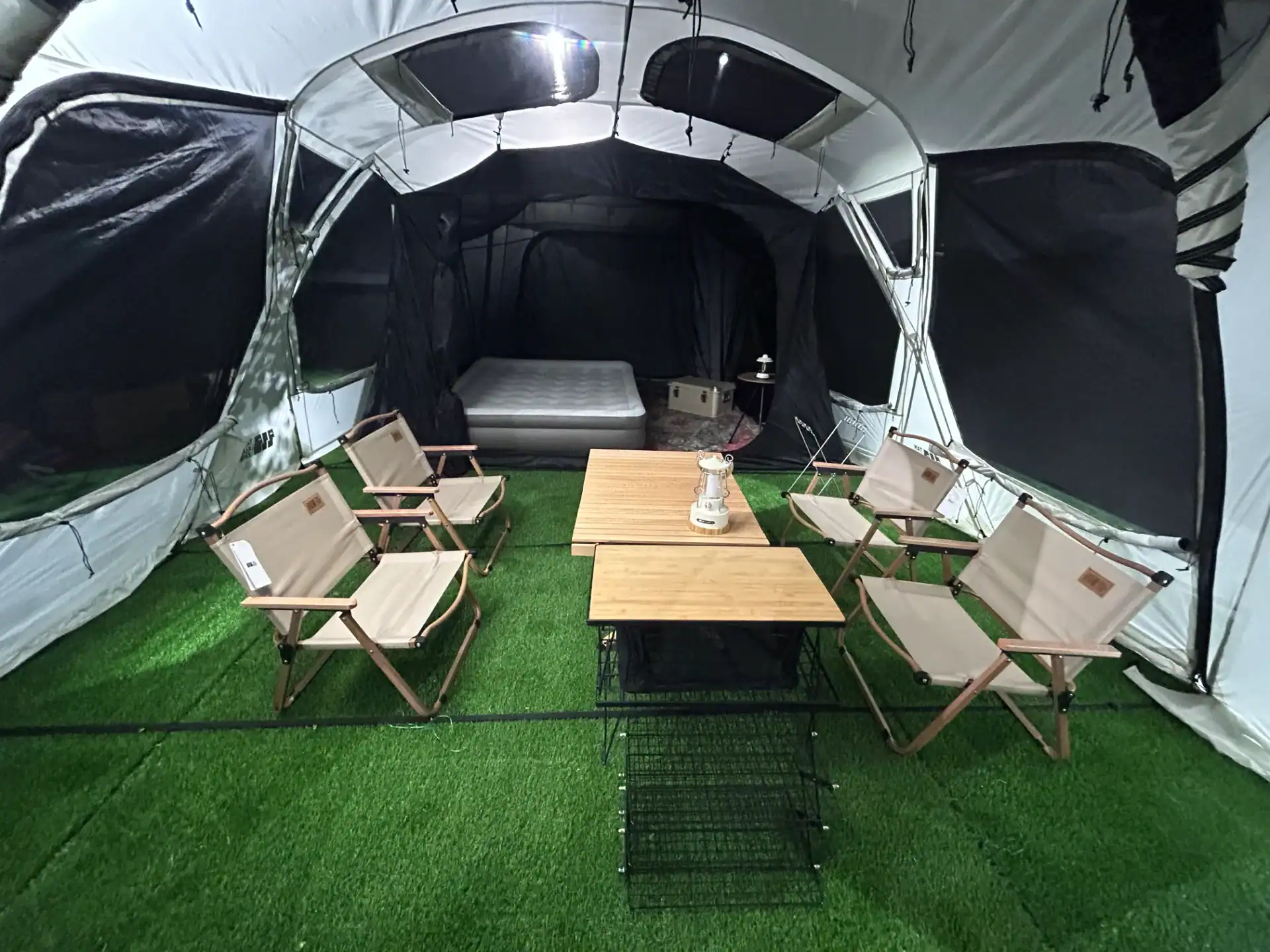
Supplier Audit Checklist: Evaluating Warranty Capabilities Before Signing a Contract (e.g., Kelyland Outdoors Example)
Warranty capability tells you how much the factory trusts its own tents.
The standard supplier audit checklist covers financial stability, production capacity, and factory certifications. One item usually gets skipped: warranty capability. That oversight is expensive. A factory that lacks a clear claims process isn’t just a factory problem — it becomes your headache the moment the retailer logo lands on the tent.
ISO 9001:2015 Tells You About Process, Not Promises
Kelyland Outdoors runs its sourcing through 17 core strategic factories, most of them ISO 9001:2015 certified. That certification says the factory has documented quality procedures. It does not say the factory will cover zipper failures or pole breakage after the shipment clears customs. Treat ISO 9001:2015 as a baseline, not a warranty guarantee.
Ask for step-by-step quality checkpoints. Kelyland’s process includes inspections at every production stage, with reports available upon request, plus a final pre-shipment inspection. A supplier that offers that level of traceability is more likely to honor warranty claims — they know exactly where defects originate.
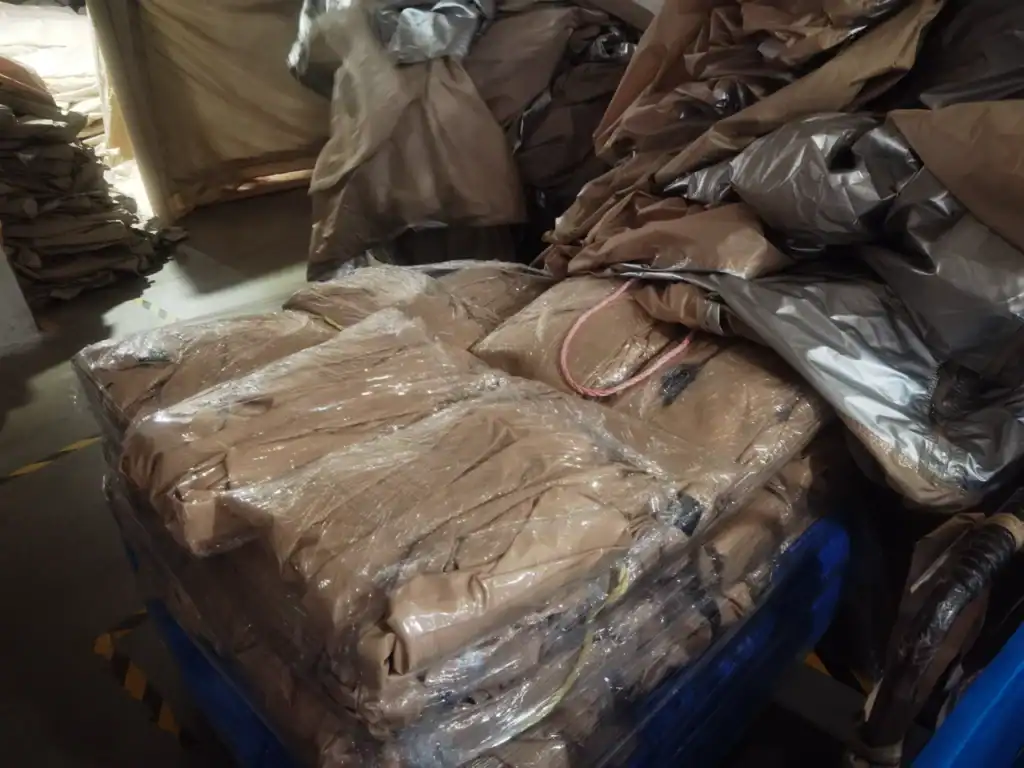
Client Testimonials as After-Sales Evidence
Long-term partnerships are the closest thing to a warranty track record. Ace Hardware has worked with Kelyland for three years on tents and wagons. Lucid’s global supply manager has used them for trekking poles and sleeping bags for three years. Multi-year repeat orders mean the supplier absorbed warranty costs quietly and kept the relationship.
Component vs. Integrated Warranty Models
Some suppliers warranty components separately — the zipper maker, the pole maker, the fabric mill. That leaves you assembling a claim from three vendors. An integrated warranty covers the tent as one assembled product, which is the only model that protects your brand. Kelyland runs as a one-stop sourcing service, so the warranty chain routes through one coordinator, not a fragmented supply chain.
-
- Tent zipper failure warranty clause: Make the supplier name zippers and state that manufacturing defects are covered for the full warranty period. A vague ‘components covered per original manufacturer terms’ pushes liability back to you.
- Tent pole breakage warranty exclusion: Poles are the most common tent failure. Confirm that breakage under normal use is covered, not just defects during setup. If the clause says ‘misuse excludes breakage,’ demand a defined misuse scenario.
- Pro-rata replacement clause: Some contracts offer a discount on a replacement rather than a free replacement after year one. That’s fair only if the pro-rata schedule is visible in the contract.
- Return logistics cost per unit: A warranty claim on a $30 tent can cost $18 in return shipping. Negotiate which side absorbs freight before the contract is signed.
- FOB destination date warranty trigger: Clarify when the clock starts — the FOB warehouse date or destination delivery date. A warranty that starts at factory gate can shorten coverage by 30 days on a China-to-US container.
Benchmark to use on your next supplier call: a private-label tent warranty should cover manufacturing defects for at least one year, cover zipper and pole breakage under normal use, and include a defined claims response window. If the supplier won’t commit to those three, keep looking.
Conclusion
The cost of a tent warranty claim rarely stays within the product’s unit price. Unclear exclusions, missing indemnification clauses, and undefined logistics responsibilities routinely wipe out margin on an entire order. That is why the private label tent warranty terms for retailers deserve the same scrutiny as fabric denier or pole thickness — they determine whether a defective batch becomes a write-off or a resolvable issue.
-
- Negotiate tent pole breakage warranty exclusion language explicitly; standard limited warranties often exclude this frequent failure.
- Pin the warranty trigger to the FOB destination date, not the factory departure date, to avoid coverage gaps in transit.
- A structured after-sales agreement can reduce handling costs by up to 30%; include return logistics responsibilities in the contract.
- Use ISO 9001: 2015 certification as a baseline proxy for a supplier’s documentation discipline and warranty traceability.
Before signing a production agreement, compare your supplier’s liability clauses against the checklist above. If pole breakage or zipper failures are not explicitly addressed, request a revised draft or a supplementary warranty addendum. Reviewing a supplier with documented after-sales procedures — like Kelyland Outdoors, whose partner factories hold ISO 9001:2015 certification and whose long-term clients cite reliability — reduces the chance of unpleasant surprises. Browse the Kelyland product pages to see how warranty terms apply across tent categories, and bring those specifics into your next negotiation.
Frequently Asked Questions
What warranty terms matter for private label tents?
The terms that matter are defect coverage, exclusions, liability caps, and after-sales claims support. Most suppliers treat one-year defect coverage as standard, but the contract must state replacement parts and claim procedures explicitly. Fix coverage and claims steps before placing your order.
Does a tent warranty cover weather damage?
No, standard tent warranties exclude weather damage, improper use, and modifications. Suppliers cover manufacturing defects only, so specify in your retailer agreement how storm damage claims will be handled. Separate warranty from weather-damage policies.
What should retailers audit before signing a supplier warranty?
Audit ISO certifications, pre-shipment inspection reports, and after-sales service history before signing. Kelyland’s partner factories hold ISO 9001:2015 and long-term clients like Ace Hardware confirm reliability. Ask for inspection reports and client references.
Who pays for replacement parts in a warranty claim?
That depends on the liability and indemnification clauses in your supplier contract. The supplier should cover defective parts, but you need to negotiate who pays for shipping and logistics. Clarify part replacement and shipping costs in the agreement.
How does Kelyland Outdoors handle after-sales support?
Kelyland runs a post-sale support step focused on feedback and long-term client relationships. Their pre-shipment inspection is designed to catch defects before goods leave the factory, reducing claims downstream. Request their pre-shipment inspection report on every order.

 English
 Español
 Deutsch
 Français
 Português do Brasil
 Русский
 العربية
 한국어
 日本語