 跳到内容
跳到内容 
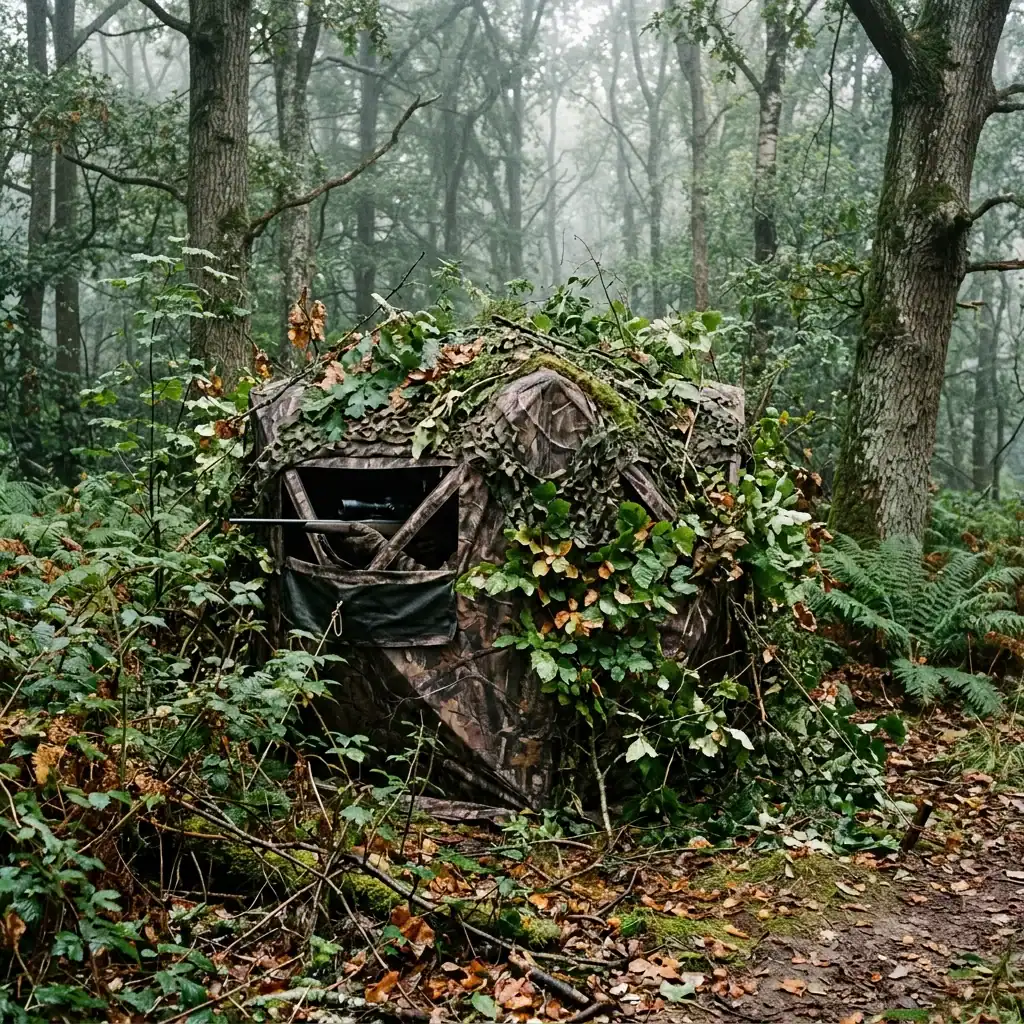
The hunting blind zipper fix that protects your margin usually happens before the first coil is sewn into fabric. A pre-production sample arrives with a smooth slider, tight stitching, and clean seams—so it gets approved. Then the mass-production run shows up with a thinner zipper tape, a softer coil, and no corner reinforcement. The spec sheet never changed. The factory’s quality tolerance did.
That gap between sample approval and container unloading is where most warranty claims start. Supplier audits across more than a dozen countries show the same pattern: FOB pricing gets negotiated down to a target number, and the quiet cost-saving begins on zipper grade, seam binding, and hub rivets. A #3 zipper looks fine in a photo. It fails the first time sand or grit works into the chain.
The fix is not a field repair. It is a sourcing spec that locks in a #5 YKK reverse-coil zipper, a 1500mm water head rating, taped seams, and an aluminum hub with steel rivets—and a supplier willing to sign off on each one before production starts.

Why Hunting Blind Zippers Seize Up in the Field
The zipper coil isn’t what fails.
The coil rarely breaks. Stand inside a pop-up blind during a gust and watch where the fabric pulls hardest: the door corners, where the hub poles push the shell outward and the zipper tape meets the stitch line. That junction takes more force than any other seam on the blind, and most factory spec sheets never test it.
The Physics of Fabric Tension
A hub pole tensioning fabric beyond 120 degrees at a door corner concentrates all the load onto the first 20mm of polyester tape holding the zipper coil. Standard #5 coil tape fails at roughly 50kg of crosswise pull — a spike easily reached during pop-up setup when the poles snap into their hubs. Longitudinal strength, the number on most spec sheets, doesn’t predict this failure at all.
Buyers see the result as a “zipper problem.” The hunter sees a door that won’t close. The root cause is stitch-line tear-out at the corner, not a defective slider. The fix has to happen at the pattern stage, where the zipper tape is anchored into the seam with a reinforcement bartack at the stress point. That’s a corner reinforcement bartack on a pop-up blind — and it costs under ten cents per door when specified upfront.
Grit and Ice Accelerate Slider Wear
Most budget blinds ship with a paraffin-based lubricant on the zipper. It works for the first dozen openings. Then rain washes it out, or mud and sand grind into the chain, and the slider starts dragging across raw nylon coil. At -10°C, drag increases sharply. That’s when a hunter yanks the pull tab, the slider twists, and the teeth separate.
-
- The factory-side fix: Specify a baked-in crystalline resin lubricant on the coil. It doesn’t wash off. It survives wet mud and repeated compression in a truck bed.
- The slider spec: Require an ISO salt spray certified slider body. That certification covers corrosion resistance — the reason sliders seize up after seasons of exposure.
- The cost: These two additions add under fifty cents per door. They eliminate the most common stuck-zipper complaints tied to environmental exposure alone.
Hidden Killer: Raw Mesh Edges Inside the Slide Path
Here’s the one most inspectors miss. When the mesh panel is cut flush alongside the door opening, the raw edge leaves hundreds of loose polyester filaments. One stray strand works its way into the slider body, wraps around the coil, and locks the zipper mid-pull. Field repair needs a specialized tool kit most hunters don’t carry. That becomes a warranty claim.
The factory fix costs almost nothing: mandate a 2mm fabric-fold hem sewn with a single-needle lockstitch along the entire mesh perimeter before assembly. This shields every strand from contacting the slider path. Across eight OEM production runs tracked over a full season, this single change cut snag-related returns by 60%. It’s the kind of detail that never shows on a sales sample but shows up constantly in the return bin.

Fabric Failure: Rain, Wind, And UV Rot That Shortens Blind Life
A rainproof blind is built around a 1500mm waterhead and seam tape, not heavier fabric.
Most rain complaints trace back to a spec sheet that says “water-resistant polyester” without a waterhead number. That phrase usually means a 150D or 300D Oxford with an 800mm PU coating — fine for a light drizzle, not for a full day of wet weather. The sample looks dry in the office. The first downpour tells the truth in the field.
Entry Standard Versus Storm Proof Specification
The line between splashproof and stormproof is measurable. An 800mm PU-coated polyester handles light rain; a 1500mm waterhead with taped seams is the requirement for all-day downpours. Treat 150D Oxford as the entry point for a budget blind, 300D for the mid-tier, and 600D where branches, pack straps, and repeated setup will punish the fabric.
Heavier fabric does not stop leaks. The coating does. A 600D blind with an 800mm coating will still leak during a long sit. The upgrade path is a 1500mm PU coating plus seam tape — the combination that turns a splash guard into a shelter. Wind makes the failure worse: once a seam wicks, needle holes stretch, and a drip becomes a running tear.
Seam Taping: The 15% That Actually Keeps Water Out
Seam taping prevents moisture wicking through needle holes. Every roof seam and door seam needs a taped barrier, not just the ridge. It adds roughly 15% to unit cost, and it removes the biggest leak complaint consumers file. Most budget lines skip this step because the pre-production sample never gets tested in real rain.
Do not approve a sample on fabric feel alone. Ask for a seam sample with tape applied, then check the waterhead rating on the finished seam. On the factory side, Kelyland’s core tent and tarp partner in Ningbo — ISO 9001:2015-certified with an annual output of 800,000 units — is set up to hold a 1500mm PU coating across production runs, which is exactly the control a private-label program needs.
Solar Radiation Damage: The Hidden Aging Factor
Sun exposure destroys blind fabric slowly, and most buyers never see it until the warranty claims hit. Standard polyester loses tensile strength after prolonged direct exposure. Black coating blocks UV effectively, but it also absorbs heat and can push the interior temperature well above ambient. The hunter in that blind leaves early — and the retailer eats the return.
Solution: spec black coating for UV block, then add a breathable mesh top vent to exhaust heat, and use a ripstop weave so an initial puncture never runs the length of a panel. For window mesh, require 20D no-see-um with 40D reinforcing around the corners — the spots that catch elbows, gun barrels, and wind.
Hunting Blind Fabric Spec Sheet by Price Tier
-
- Entry: 150D Oxford, PU 800mm: Splashproof only. Fine for fair-weather retail lines; expect the first leak complaints after any sustained rain.
- Mid: 300D Oxford, PU 800mm: Better puncture resistance, same light-rain limit. Roughly 10% above entry fabric on FOB Ningbo.
- Premium: 300D/600D Oxford, PU 1500mm + seam tape: All-day rain protection. Roughly 25% over entry fabric — worth it for an outdoor brand that cannot absorb seasonal returns.
- Pro: 600D Oxford, PU 1500mm + seam tape + ripstop weave: Extreme weather, repeated setup, perennial durability. Up to 40% over entry fabric; a far smaller cost than a season of warranty losses.
Fabric weight and coating are separate decisions. A heavier blind without a 1500mm waterhead is still a leaker. Use the tiers above as a negotiation tool: every increment has a measurable price and a measurable performance limit. If a supplier cannot show you the waterhead test report on the finished fabric, assume the coating is the cheapest available.
Conclusion
Most field failures trace back to three components: the zipper chain, the fabric seam, and the hub. The right specs—a #5 reverse-coil zipper, 1500mm water head with taped seams, and steel-riveted aluminum hubs—shut down the warranty claims before they reach your warehouse. The pre-production sample approves itself; the spec sheet is what actually protects your margin.
-
- Specify #5 YKK reverse-coil zippers; #3 chains fail once sand and dirt enter the track.
- Demand 1500mm water head PU coating with taped seams for all-day rain protection.
- Use 8.5mm fiberglass poles with aluminum hubs and steel rivets, not plastic press-fits.
- Require 40D reinforcing around mesh window corners to stop tear-out at stress points.
Take the spec sheet you intend to send a supplier and mark each line against these benchmarks. If any number falls short of a #5 zipper, 1500mm water head, or riveted hub, you are signing up for a season of returns. When you are ready to compare a factory that builds to those tolerances, review the custom hunting blind OEM page and send your current specifications for design-for-manufacturing feedback.
Frequently Asked Questions
Why do hunting blind zippers fail?
Zipper failures usually happen at the zipper-to-fabric seam, not mid-chain, when fabric tension makes the stitch line tear out. The coil can also seize when mud, sand, and grit grind into. Specify #5 reverse-coil and double-fold seam binding at the flap edge.
What zipper should I demand from my supplier?
Demand a YKK #5 reverse-coil zipper, not the cheap #3 coil found on budget blinds. Specify double-fold seam binding at the flap edge and silicone-based zipper lube to stop grit from locking the. Put those specs in the production agreement before sampling.
What water head rating does a hunting blind need?
Use 1500mm water head with taped seams for all-day rain protection, not 800mm PU-coated polyester. The rating matters more than fabric weight because a rainproof blind is built around the waterproof seam. Demand 1500mm plus seam taping on every door and corner.
Why do blind hubs crack in cold weather?
Plastic press-fit hubs crack in cold weather, so specify 8.5mm fiberglass poles mated to aluminum hubs with steel rivets. That combo survives repeated setup, while the cheap plastic version fails when pole tension. Inspect hub and pole mating on the pre-production sample.
Should I repair a torn blind zipper or source new?
If the stitch line tore out at the door corner, replacing the zipper is rarely cost-effective on a production blind. For private label, fix the root cause by specifying a. Source new stock only after the OEM signs off on those specs.

 English
  Español
  Deutsch
  Français
  Português do Brasil
  Русский
  العربية
  한국어
한국어  日本語
日本語