 跳到内容
跳到内容 
The OEM vs ODM cost question lands on every brand manager’s desk the moment they plan a new product run. Should you drop $5,000–$15,000 on a custom tent mold or pay just a few hundred for branding on an existing factory design? That’s the core tradeoff, and the answer depends on volume, speed, and how much control you need. Kelyland sees this decision play out weekly with clients across Europe, Australia, and North America.
Here’s the part most comparison articles skip: the mold amortization math. A $10,000 tooling cost spread across 500 units adds $20 per unit. Spread across 5,000 units, it’s $2. That per-unit overhead changes the whole cost picture. ODM avoids that upfront hit entirely—per-unit prices land 15–30% lower—but you don’t own the design. The factory can sell the same base model to your competitor next month unless you negotiate an exclusivity fee. That’s the real decision: pay more upfront for ownership, or pay less per unit but risk commoditization. Let’s put actual numbers on the table.
Why Most Brands Overpay for Custom Designs
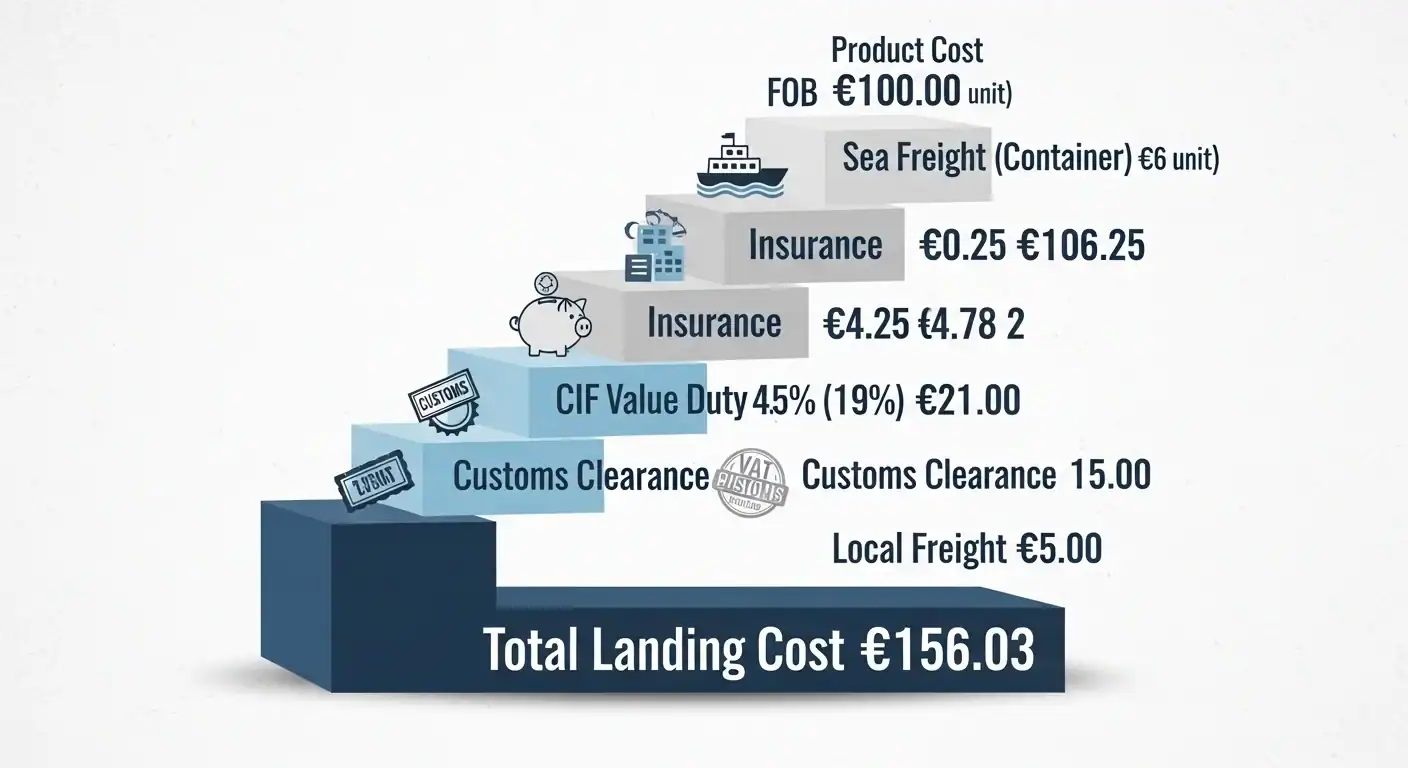
The biggest hidden cost in custom outdoor gear is not the material or labor — it’s the design and tooling amortization. OEM tooling for a tent frame or air mattress mold typically runs $5,000–$15,000 per component. Most first-time brands see this as a lump sum and underestimate its impact on per-unit cost.
-
- Mold Cost Breakdown: A 4-person tent pole mold at $10,000. Spread over 5,000 units adds $2 per unit. Over 2,000 units it adds $5 — crushing margins for a budget tent.
- Industry Rule: Tooling cost must be spread over at least 5,000 units to keep overhead under $3 per unit. Below that threshold, the per-unit cost of OEM is often 30–40% higher than ODM, making private label unprofitable for small runs.
A sourcing partner with transparent cost breakdowns helps you decide: if projected volume is under 5,000 units, ODM (factory-owned design) avoids this lump-sum hit entirely, though you sacrifice exclusivity. For high-volume hero products, OEM remains the only path to full IP control. We provide per-unit mold cost forecasts before you commit to tooling.
Real Cost Breakdown: OEM vs ODM for Camping Gear
OEM can cost 10x more upfront, but ODM may cost you exclusivity.
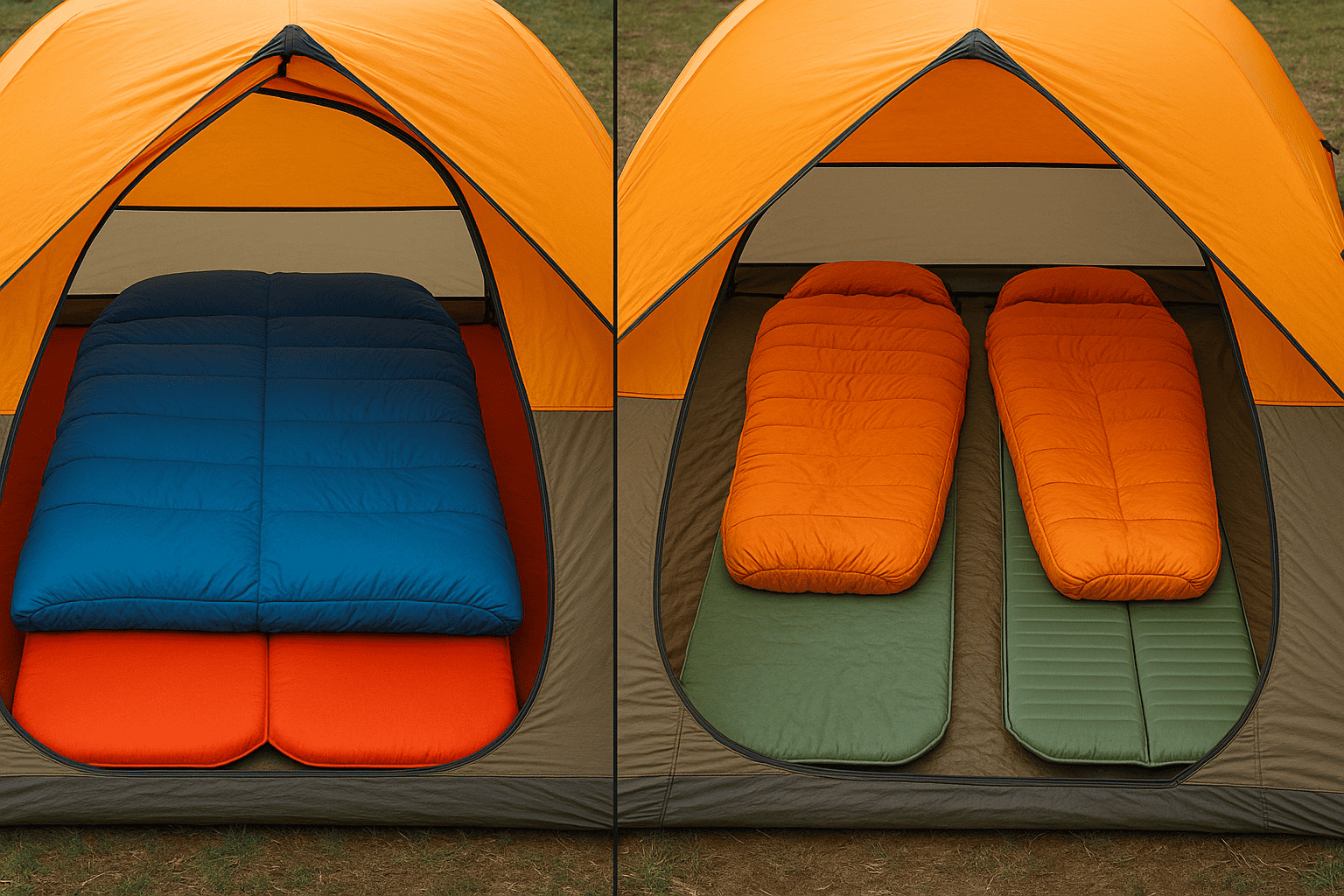
The real cost difference between OEM and ODM isn’t just the per-unit price — it’s the upfront investment and long-term ownership. OEM requires you to pay for new molds, tooling, and engineering, which can run $3,000-$20,000 before the first sample. ODM uses the factory’s existing molds and designs, so your cash outlay stays under $500. But here’s the catch: most ODM factories will sell the same base design to any other buyer unless you negotiate and pay for exclusivity. That’s a hidden cost most brand managers overlook.
-
- Tooling/Mold Setup: OEM: $3,000–$20,000 for a 4-person tent mold set (pole dies, fabric cutters, zipper fixtures). ODM: $0–$500 for minor brand-specific tooling like logo stamps.
- Sample Fee: OEM: $200–$1,000 per prototype (full development sample). ODM: $50–$200 because they pull from stock designs — you pay only for branding tweaks.
- Per-Unit Price: OEM: $12–$25 for a standard camping tent (your materials, your specs). ODM: $8–$18 — factory optimizes for cost, but you lose control over fabric denier and coating grade.
- MOQ: OEM: 300–1,000 pieces to justify tooling setup. ODM: as low as 50–300 pieces because production lines already run. This is the key lever for startups testing the market.
Here’s the insider math: if you order 500 units OEM at $15 per unit, plus $10,000 tooling, your landed unit cost is $35 — unsustainable for a $49.99 retail tent. The same tent in ODM costs $10 per unit, no tooling, giving you a 20% margin at the same retail price. That gap narrows as volume grows: at 5,000 units, OEM overhead drops to $2 per unit, making it competitive. Smart brands run ODM for entry SKUs and reinvest the saved cash into OEM tooling for hero products.
| Cost Category | OEM (Your Design) | ODM (Factory Design) | Notes / Insight |
|---|---|---|---|
| Tooling & Mold Setup | $3,000 – $20,000 | $0 – $500 | OEM requires custom dies/molds; ODM uses existing stock tools. Minor brand tooling may apply. |
| Sample Fee | $200 – $1,000 | $50 – $200 | ODM samples are often existing designs; OEM samples require prototype development. Fees refundable on bulk orders. |
| Per-Unit Price (avg.) | $12 – $25 | $8 – $18 | ODM is 15–30% lower per unit due to standardized production. Higher OEM unit cost reflects customization. |
| Minimum Order Quantity (MOQ) | 300 – 1,000 pcs | 50 – 300 pcs | ODM allows low MOQ (50–100 pcs for select items); OEM MOQ higher due to tooling amortization. |
| Production Lead Time | 45–60 days | 25–40 days | ODM is faster because factories use pre-existing production lines and materials. |
| Design Ownership & Exclusivity | Full IP control; exclusivity guaranteed | Limited; factory may sell same design to others | Kelyland offers paid exclusivity agreements for ODM designs to protect brand differentiation. |

OEM vs ODM: Which Model Wins for Brand Control?
ODM launches in weeks with branding only; OEM takes months but owns the design.
The core tradeoff between ODM and OEM is speed versus ownership. ODM lets you take an existing factory design — like a standard 4-person dome tent — slap your logo on it, and have finished units in 25–40 days. Your only custom cost is packaging and labeling, typically $500–$2,000. But that same base design is already being sold to three other buyers, possibly including your direct competitor. OEM, on the other hand, requires 3–6 months of development, tooling molds that run $5,000–$15,000 per component, and a minimum of 300–1,000 pieces. In return, you get a product no one else can copy — you control the geometry, the material spec down to the denier and coating, and all IP rights.
For commodity items like basic camping chairs or folding tables, ODM makes financial sense. Your per-unit cost is 15–30% lower — around $8–$18 vs $12–$25 for OEM — and you don’t carry the risk of tooling a product that may not sell. But if you’re building a premium brand around a unique tent pole system or a patented folding chair frame, OEM is the only path. The factory cannot sell your custom mold to anyone else, and Kelyland offers paid exclusivity agreements even on ODM designs so you can lock down a specific colorway or fabric upgrade that competitors can’t imitate.
-
- ODM (Factory Design): Lead time 25–40 days. MOQ as low as 50–100 pcs. Per-unit cost $8–$18. Upfront investment $500–$2,000. Risk: factory can sell same base design to competitors unless you negotiate a paid exclusivity fee.
- OEM (Your Design): Lead time 45–60 days. MOQ 300–1,000 pcs. Per-unit cost $12–$25. Upfront investment $5,000–$15,000 for tooling. Benefit: full design exclusivity, material control, and IP ownership. Best for hero products and brand differentiation.
How to Source Without Getting Buried in Hidden Costs
ODM samples often skip durability tests.
The most common mistake veteran brand managers make is treating an ODM sample as a production-ready prototype without independent verification. That sample was likely hand-built in the R&D room — not run on the production line. Stitch tension, zipper alignment, and seam sealing can degrade by 20–30% when you scale to 500 units. Kelyland always requires a pre-production sample from the actual line before greenlighting any ODM order.
-
- ODM Sample Gap: Stock designs look polished but may use lower-grade zippers or thinner fabric (e.g., 210T nylon instead of the 210T ripstop specified). Request a material certificate (MIL-SPEC or ISO 9001 trace) with every sample.
- OEM IP Trap: If your OEM contract doesn’t explicitly state ‘tooling ownership remains with the buyer,’ the factory owns the molds. That means they can produce your tent design for another brand after your first run. Kelyland’s standard OEM agreement assigns all tooling, CAD files, and material specs to the client. Always get a signed non-disclosure and non-compete rider.
- Hidden Cost Breakdown: Request a line-item quote: tooling ($5k–$15k for a tent mold), sample fee ($200–$1,000, refundable at 500+ units), per-unit price ($12–$25 OEM vs $8–$18 ODM), polybag + carton ($0.50–$1.20 per unit), testing (e.g., CPAI-84 for tents, $300–$800 per batch), and logistics (FOB vs CIF). Without this, the supplier can bury unexpected charges.
- Mold Amortization: The $15,000 tent pole bending die doesn’t have to hit your P&L all at once. Kelyland spreads the tooling cost across the first 5,000 units — adds $3 per unit, not $15,000 upfront. Ask your supplier for a per-unit tooling amortization schedule. If they refuse, they are hiding the real cost.
| Hidden Cost | What You Might Overlook | Kelyland’s Transparent Approach | Action Item |
|---|---|---|---|
| Mold/Tooling Amortization | Tooling cost presented as lump sum with no per-unit breakdown, leading to underestimated unit cost. | Provides clear per-unit mold cost amortization schedule for OEM orders, no surprises. | Always request a tooling amortization table before signing any OEM agreement. |
| Sample Fees & Refund Policy | Non-refundable sample fees that add up, especially for multiple iterations. | Sample fees are refundable upon bulk order confirmation (e.g., 500+ units); low-cost samples may be free if you cover shipping. | Confirm in writing whether sample fees are refundable and under what conditions. |
| Per-Unit Pricing & Exclusivity | ODM per-unit is 15-30% lower but factory may sell same design to competitors, eroding brand differentiation. | Offers paid exclusivity agreements for ODM designs to protect your brand’s uniqueness. | Decide if exclusivity is worth the premium; for hero products, choose OEM with IP ownership. |
| MOQ & Inventory Risk | High MOQs lock you into large inventory, risking cash flow and unsold stock. | ODM MOQ as low as 50-100 pcs; OEM MOQ starts at 300 pcs; flexible terms for bulk orders. | Start with low MOQ ODM runs to test market, then scale with OEM when demand is proven. |
| Payment Terms & Cash Flow | Large upfront deposits (50%+ for OEM) strain cash flow; unclear payment milestones. | Standard terms: 30% deposit, 70% before shipment; negotiable for repeat clients. | Negotiate milestone-based payments (e.g., 30% deposit, 40% on material approval, 30% before shipment). |
Conclusion
Choosing between OEM and ODM isn’t about picking a manufacturing method. It’s a financial decision tied to your brand’s volume, timeline, and appetite for exclusivity. The cost data is clear: ODM cuts upfront cash outlay by 50–70% but leaves your core design open to competitors. OEM gives you full control of the product — down to the denier count — but locks in $5,000–$15,000 in tooling costs before a single unit ships. Veteran brand managers know that the right choice depends on whether you’re building a hero product or filling a commodity SKU.
Run the numbers against your projected run size. If you need a custom 10-person tent with exclusive pole geometry, OEM is the only path. If you’re launching a basic camping chair under your label in 6 weeks, ODM gets you to market faster. Kelyland offers both models with transparent pricing and mold amortization schedules — no hidden fees. Browse the camping tent product page to compare stock designs and custom options, then request a cost breakdown for your volume.
Frequently Asked Questions
What is the typical OEM tooling cost for a camping tent?
OEM tooling for a camping tent typically runs $5,000–$15,000 per component, covering frame molds or fabric dies. The exact cost depends on tent size, frame complexity, and material specs, with total tooling. Get a tooling quote only after finalizing your tent design.
Does ODM mean lower quality?
No, ODM does not inherently mean lower quality—reputable factories like Kelyland’s ISO 9001:2015 certified partners maintain consistent standards. However, ODM uses existing stock molds, so you cannot control core materials or geometry the. Request a sample to judge ODM quality before committing.
Are sample fees refundable on large orders?
Yes, sample fees are often refundable when you confirm a bulk order, though smaller or low-cost samples may only require you to cover shipping. Kelyland explicitly states fees can be refunded upon bulk confirmation. Confirm sample refund conditions in writing before paying.
How does MOQ differ between OEM and ODM?
ODM typically offers lower MOQs—sometimes as low as 50–100 pieces for standard models—because no new tooling or design investment is needed. OEM requires higher MOQs, usually 300–1,000+ pieces, to spread the. Choose ODM for small test runs; OEM for full brand ownership.
What is the payment structure difference?
Both OEM and ODM typically require a 30% deposit and 70% before shipment for new clients, but OEM often demands an additional upfront tooling payment of $3,000–$20,000. ODM avoids that tooling cost, so. Always clarify tooling payment terms separately from unit pricing.

 English
  Español
  Deutsch
  Français
  Português do Brasil
  Русский
  العربية
  한국어
한국어  日本語
日本語