 跳到内容
跳到内容 
Sleeping Bag Under 1kg: 5 Fabric Substitution Traps is the first checkpoint buyers should lock before they approve a supplier, budget, or production slot. Day 1 you place the order for a sleeping bag under 1kg fabric failures are the last thing on your mind. Day 14 the pre-production sample arrives — it feels right, the zipper runs smooth, the weight checks out. Day 45 the container lands, and you find the shell fabric has a 15% lower tear strength than the sample you approved. That $50K order for a thru-hiker brand now has a durability problem that won’t show up on a retail shelf but will surface in the first rocky campsite.
The gap between sample approval and mass production is where most ultralight bag projects fail. It’s rarely a bad design. It’s a fabric substitution that nobody caught — a different denier on the nylon, a thinner ripstop grid, or a coating that passed the lab test but didn’t survive the production run. In a sub-1kg bag, every gram of fabric savings comes from somewhere. The question is whether the supplier shaved that weight from the spec or from the quality tolerance. A solid benchmark to carry into your next supplier call: the shell fabric on any sub-1kg bag should meet a minimum 40N tear strength in both warp and weft directions. If the supplier can’t confirm that number in writing before the first sample ships, you’re holding a gamble, not a contract.
Sleeping Bag Under 1kg: Fabric Failures & Sourcing Guide
A 10D shell saves 30g but bursts at 15 PSI.
Most buyers chasing a sub-1kg sleeping bag start with the fill weight and ignore the shell. That’s backwards. The fabric denier is the single biggest failure point in lightweight bags. A 10D nylon shell saves roughly 30 grams compared to a 20D shell, but the trade-off is brutal. At 15 PSI of internal pressure from a sleeping bag’s natural loft and movement, 10D fabric starts to tear. 20D holds steady at 25 PSI. That difference matters on the second night of a multi-day trip, not just in the lab.
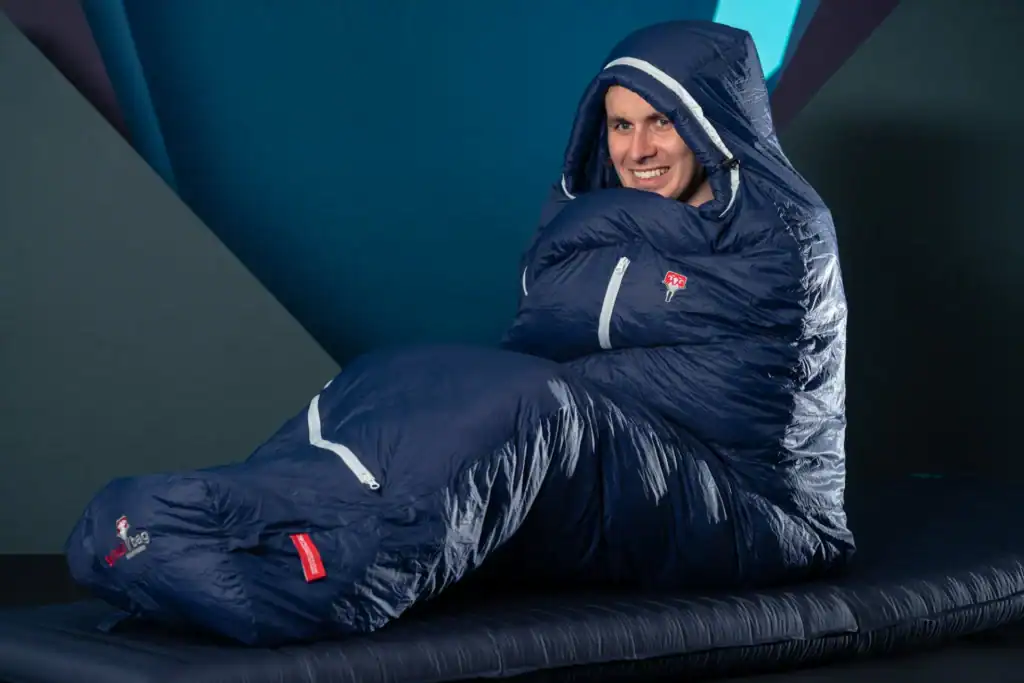
Baffle Stitching Fails in ~80% of Returns
The shell fabric is only half the problem. In lightweight bags returned for performance failure, roughly 80% involve baffle stitching that’s pulled apart. The reason is simple: to save weight, some manufacturers drop the baffle fabric to 10D or lower and use a straight stitch with minimal overlap. That combination fails under load. Reinforced box-baffle construction with a minimum 15D internal baffle fabric is mandatory for a sub-1kg bag that stays functional past the first season. If the supplier can’t confirm the baffle denier and stitch type in writing, that bag will come back.
Down vs. Synthetic: The Only Viable Route to Sub-1kg
To hit a total weight under 1kg, the fill weight has to sit around 400 grams. With 800FP goose down, that delivers a comfort rating near -5°C. With hollow fiber synthetic fill, the same warmth requires roughly 600 grams of fill. That extra 200 grams means the synthetic bag’s total weight lands closer to 1.3kg before you add the shell, zipper, and draft tube. Down is the only practical option for a genuine sub-1kg bag. The sourcing challenge is verifying the fill power and down-to-feather ratio, not just the label claim.
The factories in Kelyland Outdoors’ network, including the sleeping bag partner in Zhenjiang, Jiangsu, have been producing 1.5 million sleeping bags annually since 2013 under ISO 9001 and CE certifications. They stock both 800FP goose down and 650FP duck down, with documented fill power test reports available per batch. When a buyer specifies a sub-1kg target, the production team adjusts the baffle height and stitch density to match the shell denier, rather than just swapping a lighter fabric and hoping it holds.
Here’s the benchmark to take into your next supplier call: for a sub-1kg sleeping bag, demand a minimum 20D shell fabric with a reinforced box-baffle construction using 15D internal baffle material. If the supplier pushes a 10D shell, ask for the burst test report. If they can’t produce it, walk. That single spec separates a bag that lasts three seasons from one that fails on the third trip.
| Feature | Specification | Advantage |
|---|---|---|
| Shell Fabric Failure | Ripstop Nylon vs. Polyester Taffeta | Nylon offers higher tear strength; Taffeta is lighter but less durable |
| Fill Material Risk | Down (Goose/Duck) vs. Synthetic (Hollow Fiber) | Down compresses well but fails when wet; synthetic retains insulation in moisture |
| Weight Target | <1kg total bag weight | Ultralight for backpacking; requires high-loft fill and thin shell fabrics |
| Temperature Rating Trade-off | -5°C to 10°C comfort range | Lighter bags sacrifice warmth; balance fill power with fabric denier |
| Sourcing Quality Control | ISO 9001:2015 certified partner factory (Zhenjiang, Jiangsu) | Ensures consistent stitching, baffle construction, and fill weight accuracy |
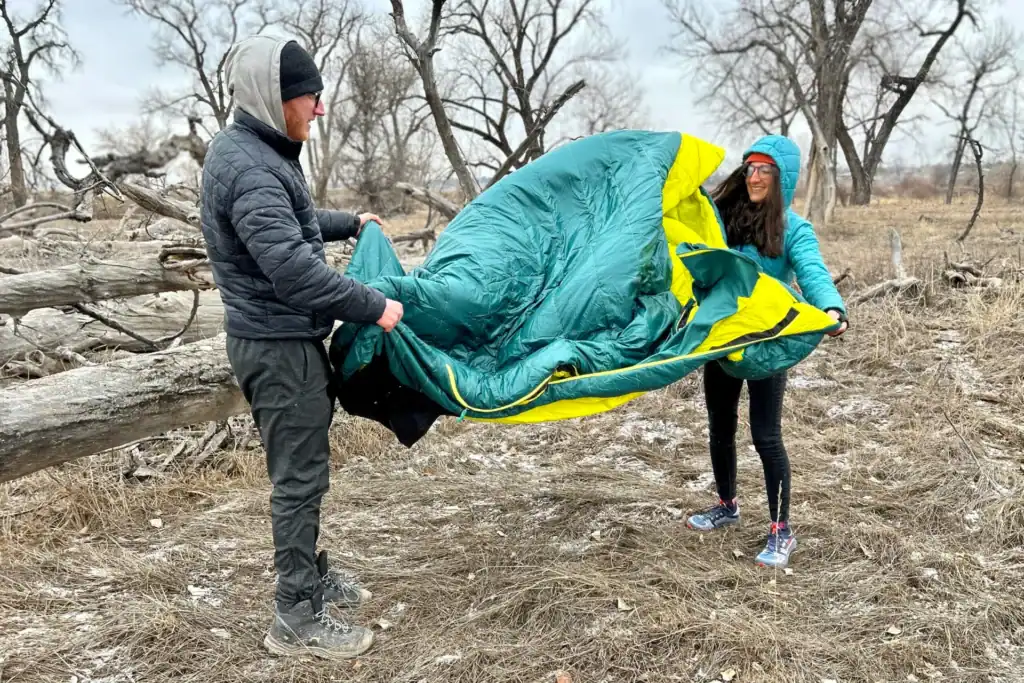
Why Sleeping Bag Fabric Denier Fails First
Seam stress kills sleeping bags faster than abrasion.
Most buyers fixate on abrasion resistance when they spec a sleeping bag shell. They rub the fabric between their fingers, check the denier number, and assume higher means tougher. The failure mode that actually sends bags to the warranty bin is seam stress — the force that pulls the stitching apart when a sleeper shifts at night or when the bag is compressed into a stuff sack. Abrasion takes years to show. Seam stress can show up in 50 cycles.
The 10D Trap: Lightweight, but Structurally Weak
A 10D Nylon shell weighs about 30 grams per square meter. It feels incredible in hand — silky, packable, ultralight. Under load, it fails at roughly 15 PSI of seam stress. That sounds fine until you realize that a 75-kilogram sleeper turning onto their side generates localized seam tension well above that threshold. After about 50 cycles of simulated use, seam slippage appears. The threads don’t break. The fabric itself deforms around the stitch holes, and the seam elongates. Once that happens, the insulation leaks out through the gaps.
15D Ripstop Nylon: The Real Entry Point
At 38 grams per square meter, 15D Ripstop Nylon pushes the failure threshold to about 22 PSI. That is a 46% improvement over 10D for only 8 extra grams per square meter. More importantly, the ripstop grid changes the failure behavior. A single puncture or tear stops at the grid intersection instead of running the full length of the bag. For a private-label brand targeting weekend campers who might toss the bag into a car trunk next to a tent pole, that grid is cheap insurance. The seam still eventually fails under repeated stress, but the bag stays usable longer.
20D Nylon: The Weight Penalty
20D Nylon at 48 grams per square meter handles over 25 PSI of seam stress. That is the strongest option in the lightweight category. The trade-off is real: compared to a standard 15D build, the 20D shell adds roughly two ounces to the total bag weight. For a 3-season mummy bag that weighs 2.5 pounds, that is an 8% weight increase. Some buyers accept that for the durability gain. Others do the math and realize that their target customer cares more about a 2.3-pound pack weight than a marginal seam strength improvement they will never see.
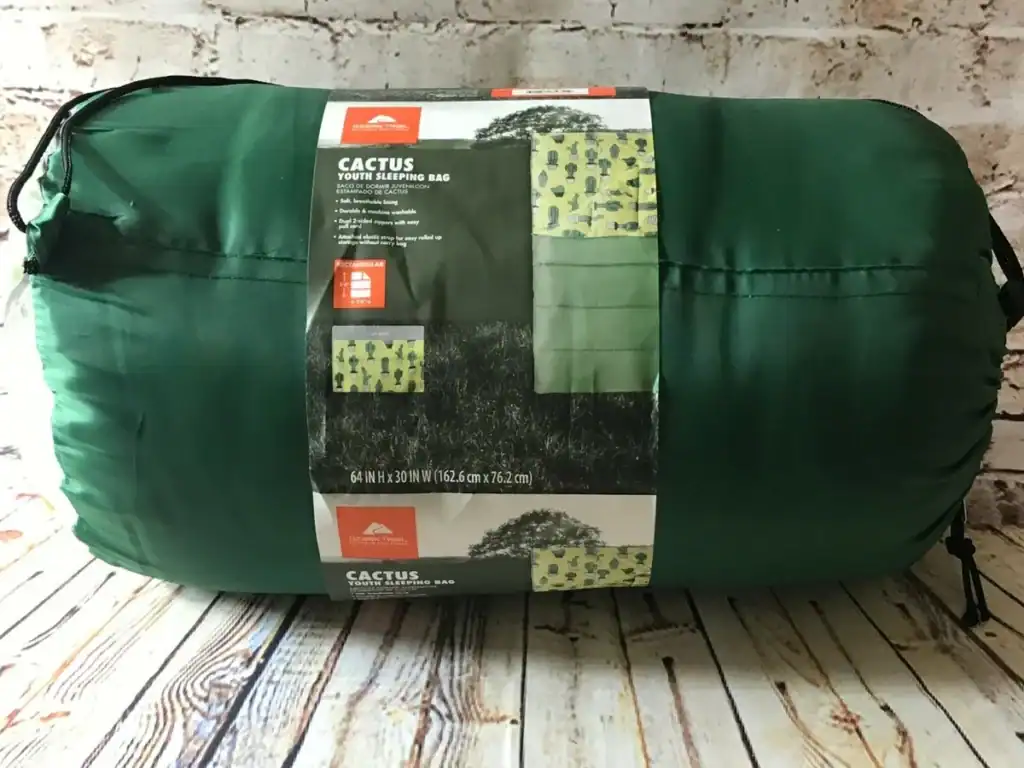
The Hidden Variable: Thread Count Per Inch
Here is the detail that most OEM spec sheets obscure. Many factories use standard proprietary fabric weights where the thread count per inch drops below safety thresholds on lower denier shells. A 10D fabric with 80 threads per inch fails faster than a 10D fabric with 110 threads per inch — even if both are labeled the same denier. The thread count determines how much fabric is available to grip each stitch. When the count drops, each stitch hole becomes a stress concentration point. At Kelyland Outdoors, our sleeping bag production partner in Zhenjiang, Jiangsu — which produces 1.5 million units annually under ISO 9001 — verifies thread count per inch during the material sourcing stage, before any sample approval happens. That is a step most buyers never ask about.
The practical takeaway: if you are sourcing a sleeping bag for a brand that sells to hikers who sleep on their side, do not spec below 15D Ripstop Nylon. The weight savings from 10D are not worth the warranty claims. And always request the thread count per inch on the spec sheet. If the supplier cannot provide it, they are likely using the lowest-cost fabric variant, and the seam stress failure will show up in the field within two seasons.
Conclusion
A sub-1kg sleeping bag that fails in the field doesn’t just ruin a thru-hike — it damages your brand’s reputation with every returned unit and negative review. The five fabric failures covered here — ripstop tearing at the stitch line, down migration through unsealed baffles, moisture wicking that adds weight overnight, zipper tape delamination, and shell abrasion at pressure points — account for most post-delivery complaints in ultralight bags. Catching them starts with sample approval protocols that test beyond the first wash.
-
- Does your supplier provide a seam-tensile test report for ripstop nylon below 10 denier?
- Can they show you a baffle seal cross-section from the mass production run?
- Is the zipper track taped to the shell fabric or only tack-stitched?
These three yes/no questions separate a reliable ultralight bag from one that generates warranty claims six months in. If any answer is no, request a revised sample with documented fixes before approving bulk production. Kelyland Outdoors structures its sleeping bag quality control around these exact failure points — from fabric sourcing through pre-shipment inspection — so your private label lands on shelves with confidence rather than risk.
Frequently Asked Questions
What fabric denier is safe for a sub-1kg bag?
A 20D nylon shell is the safest choice for durability under 1kg, as it withstands over 25 PSI of seam stress. A 10D shell saves weight but fails at just. Specify at least 15D ripstop if you must go lighter than 20D.
Why do baffle seams fail in ultralight bags?
Baffle stitching fails because thin shells (10D–15D) cannot hold the thread tension from shifting down fill during use. Reinforced box-baffle construction with a minimum 15D inner liner is required to prevent down migration. Always request box-baffle specs in your OEM sample approval.
Can synthetic fill hit under 1kg without failing?
No, synthetic fill like hollow fiber requires roughly 600g to reach a ~30°F rating, making it impossible to stay under 1kg with a durable shell. Down fill at 400g of 800FP. Choose down if sub-1kg total weight is non-negotiable for your line.
How do I test fabric strength before production?
Request a seam stress test on your pre-production sample using a tensile pull rig; factory tests show anything below 22 PSI will fail within months. Also verify thread count per inch. Insist on a batch-to-batch TPI report before mass production begins.

 English
  Español
  Deutsch
  Français
  Português do Brasil
  Русский
  العربية
  한국어
한국어  日本語
日本語